
Instrument guides: which one to choose and how long it takes to learn
Benefits, comparisons and realistic timelines for each instrument, including Colombian music.
Guides to instruments
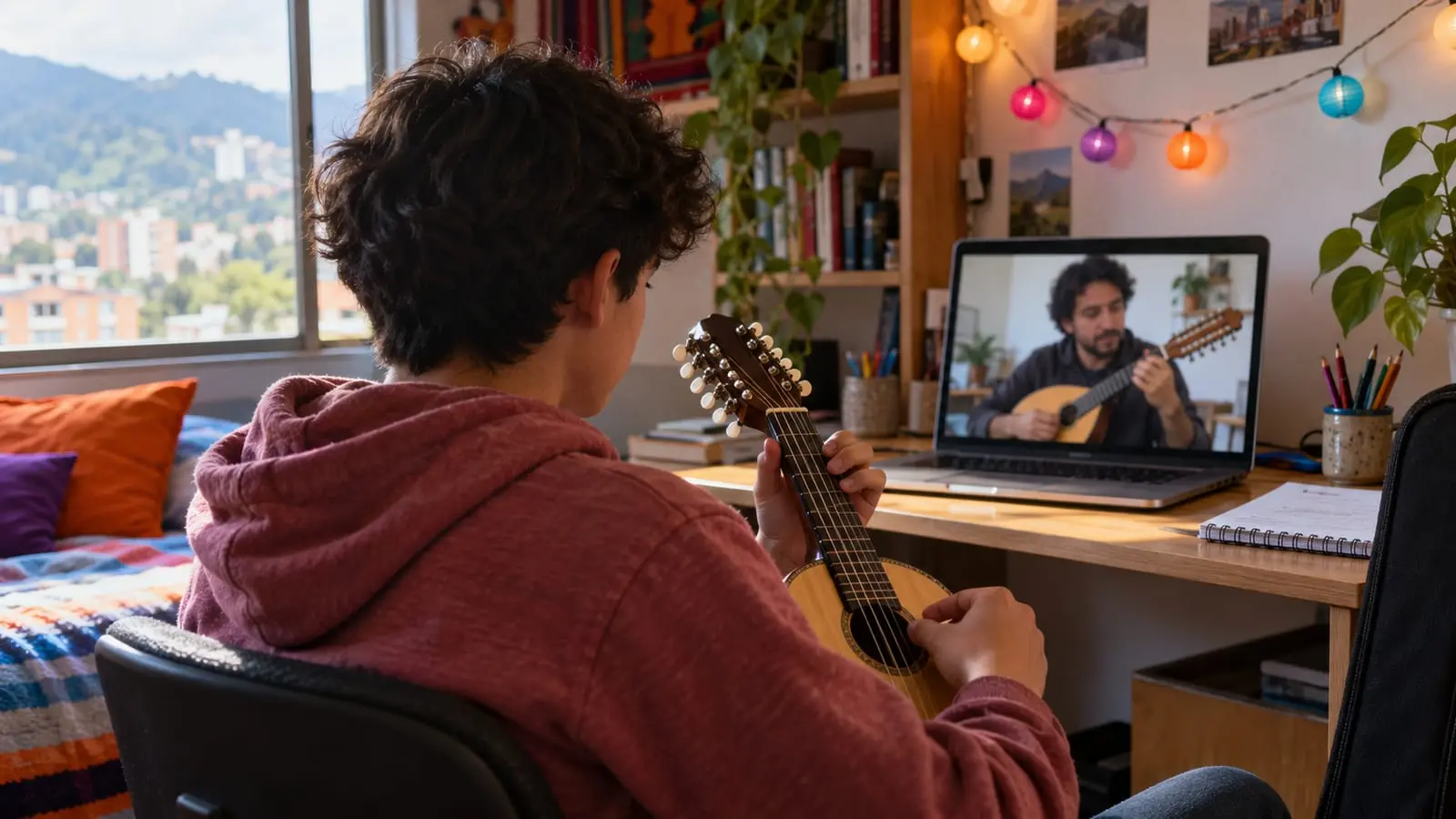
Online tiple and bandola lessons: learn Colombian Andean music from anywhere
You can learn tiple and bandola by video call, from another city or another country. Here's how a lesson works, what equipment you need, and what to practice in the first month.
Read article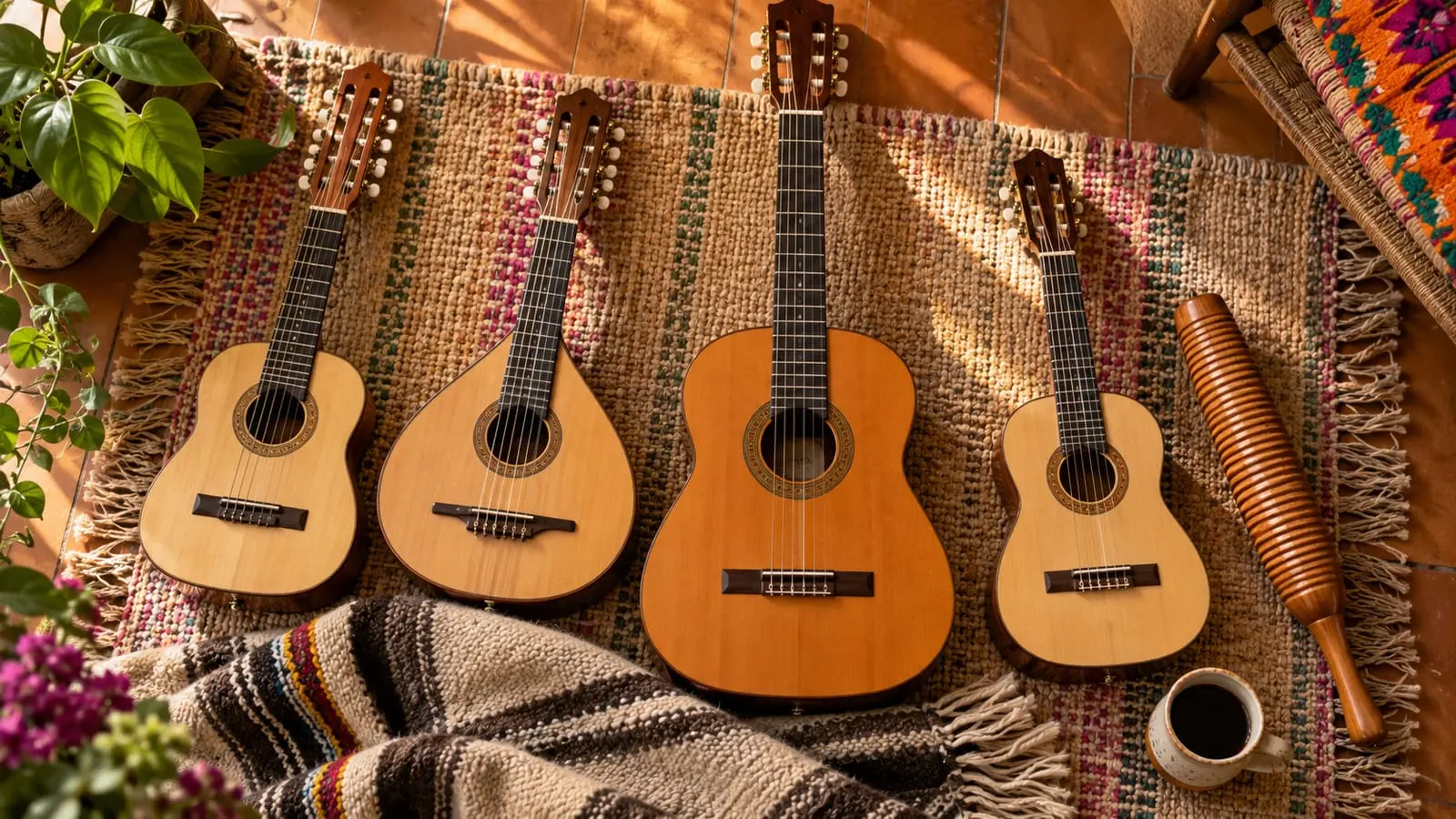
Instruments of Colombia's Andean region: tiple, bandola, guitar, and more
Tiple, Andean bandola, and guitar form the traditional trio; requinto, guacharaca, and other percussion instruments round out Boyacá's rural folk music. A clear guide for school assignments and getting started playing.
Read article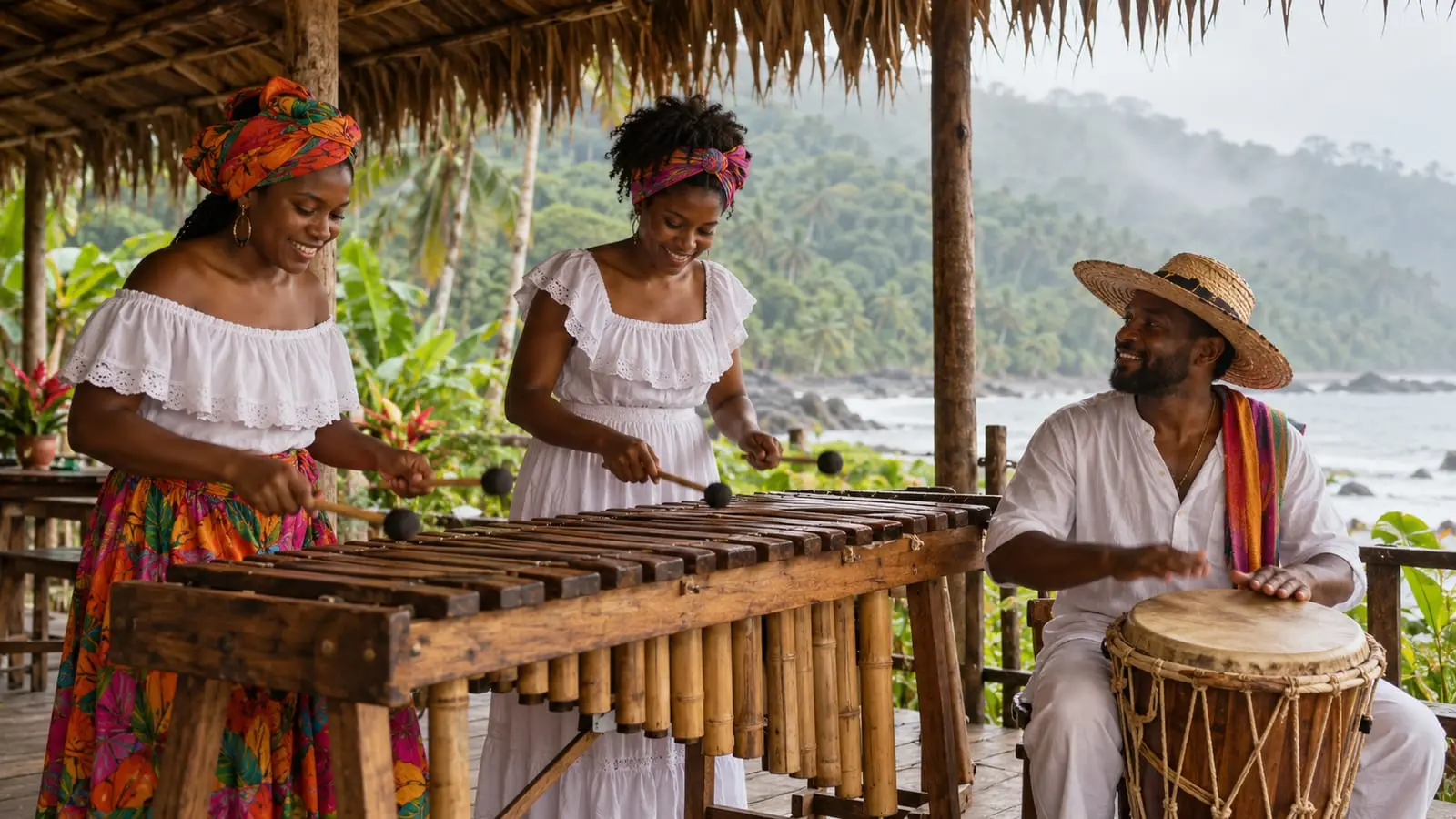
Instruments of Colombia’s Pacific coast: marimba de chonta, cununos, bombos, and guasá
Marimba de chonta, male and female cununos, bombos, guasá, cantaora voices, and northern chirimía: the instruments of Colombia’s Pacific coast and how they sound together.
Read article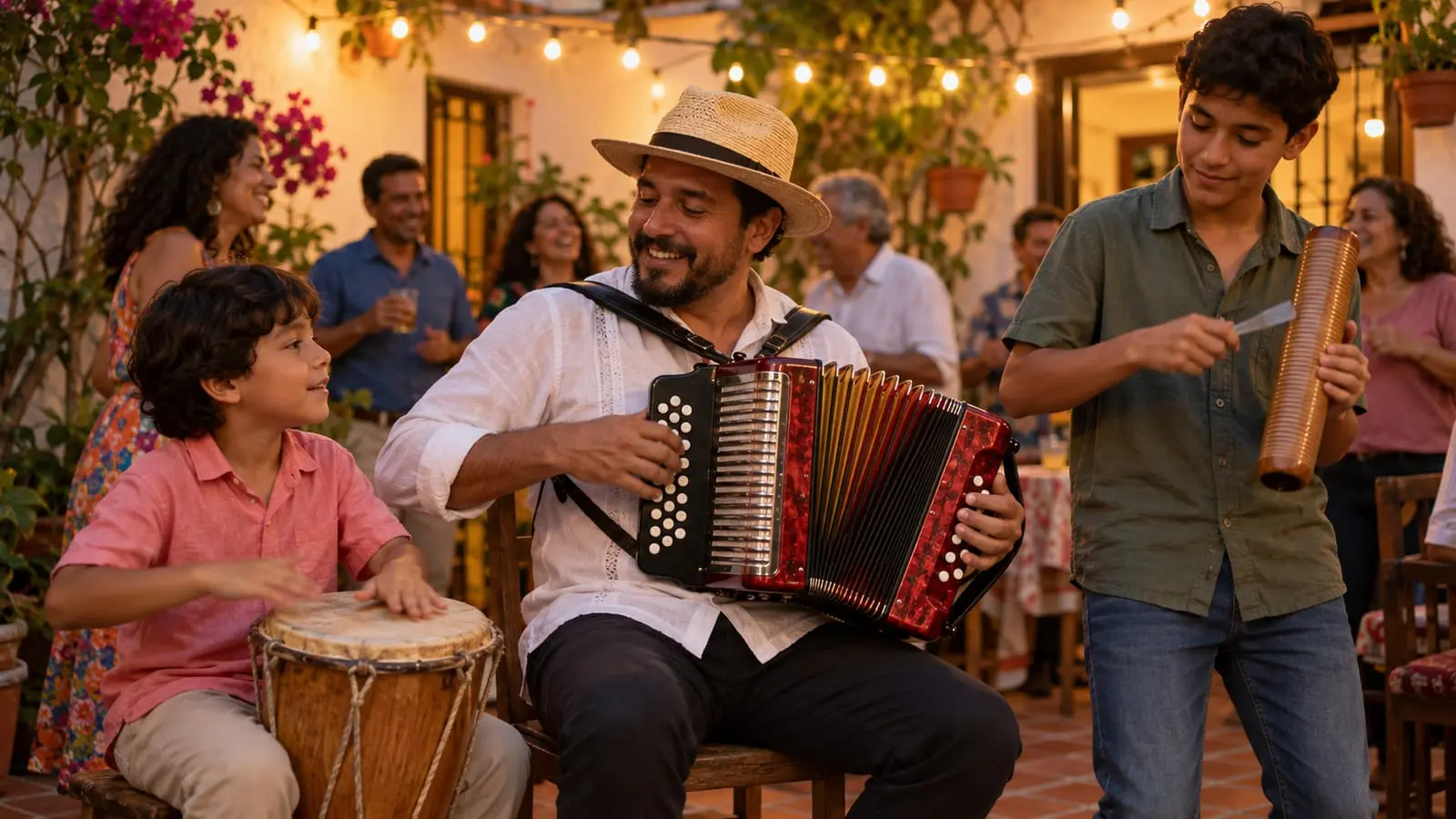
Vallenato instruments: accordion, caja, guacharaca, and the modern ensemble
The three traditional vallenato instruments, what the modern ensemble adds, how paseo, son, merengue, and puya sound, and how vallenato differs from cumbia.
Read article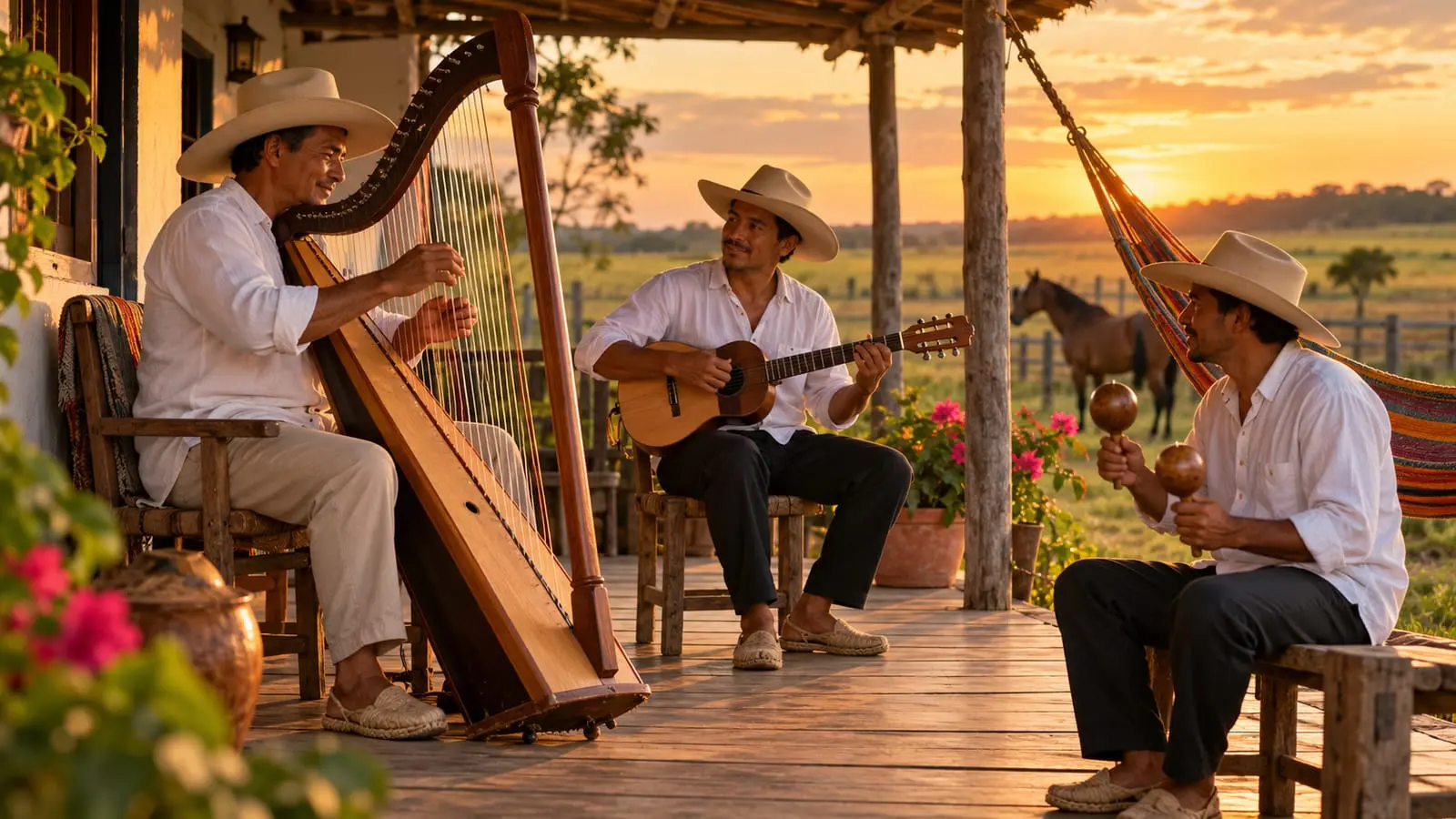
Llanero music: harp, cuatro, maracas, and the rhythms of joropo
Joropo is played with harp, cuatro, and maracas, moving between 3/4 and 6/8. What each instrument does, how golpes sound, and what you can start practicing now.
Read article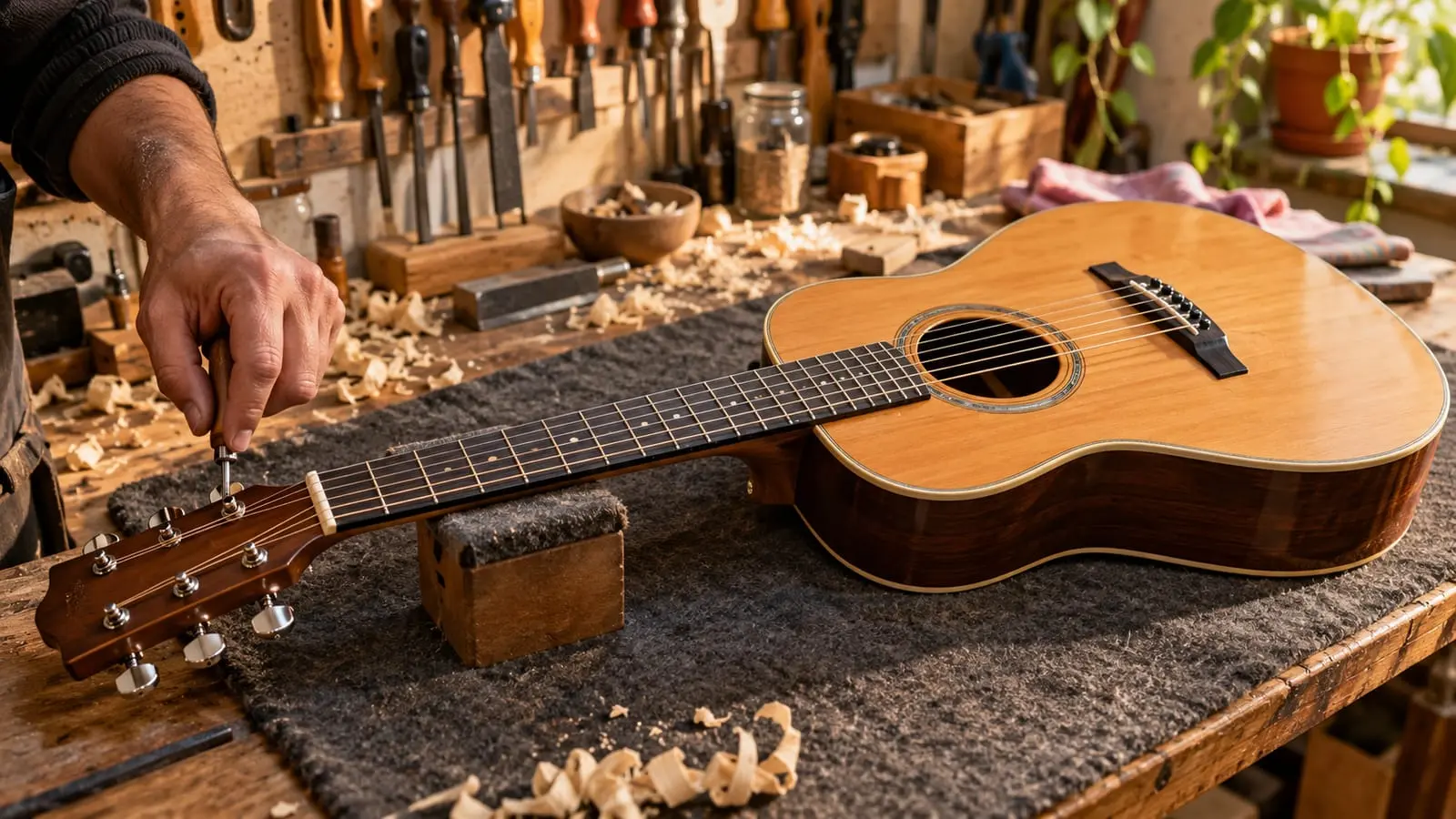
Parts of the guitar and what each one does
A clear guide to guitar parts and their functions: acoustic, classical, and electric, with a table of what to check when buying and a version for kids.
Read article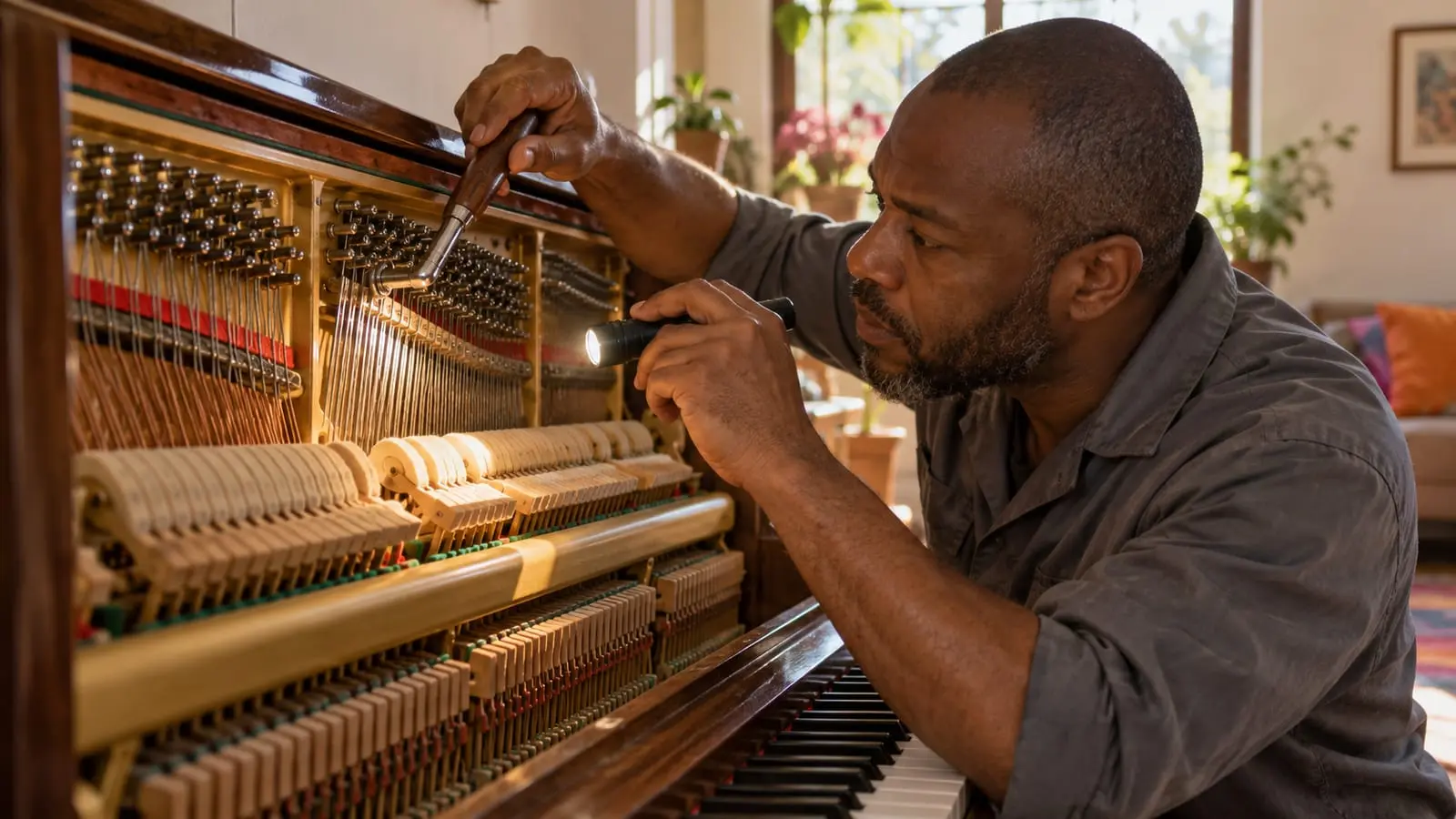
Piano parts explained: keys, hammers, strings, and pedals
A piano has 88 keys, more than 200 strings, and three pedals. We explain how they work together from the moment you press a key until the note sounds, and how upright, grand, and digital pianos differ.
Read article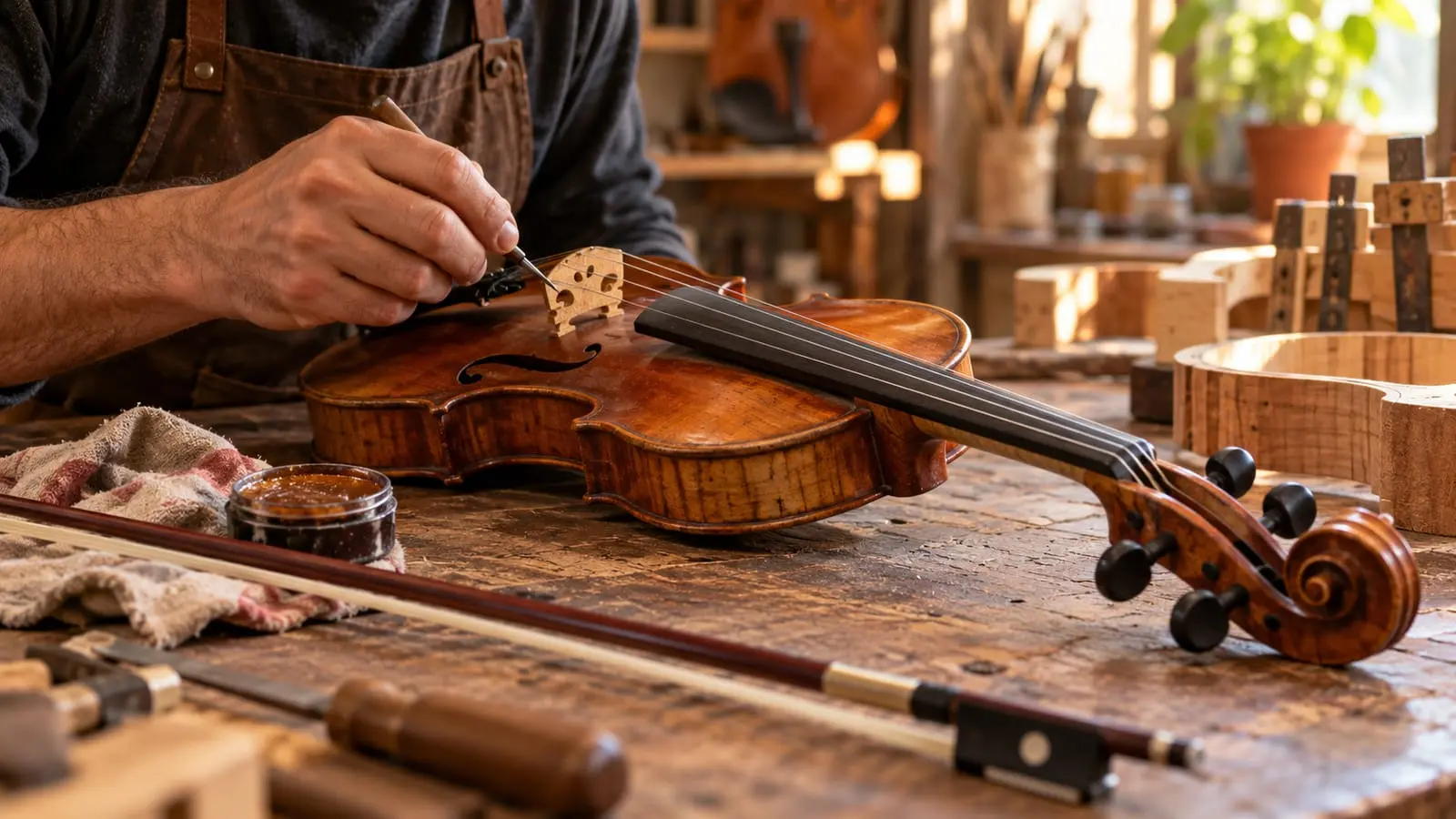
Parts of the violin and bow
Every part of the violin and bow: where it is, what it does, and how to care for it. Includes the violin's soundpost, bass bar, and rosin.
Read article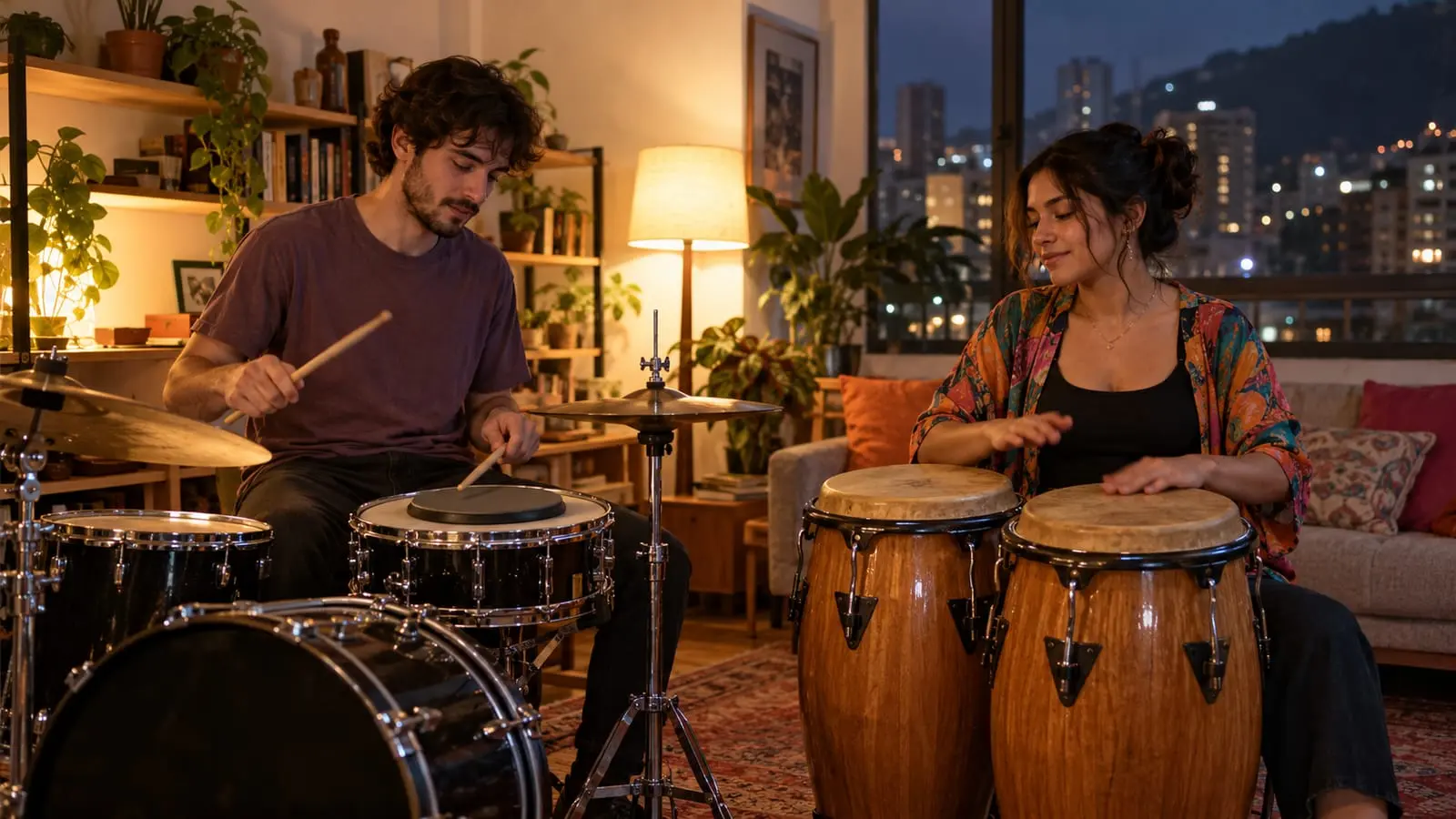
Drums or Latin percussion? How to choose
One is played with sticks and all four limbs; the other, almost always with your hands. We compare genres, technique, space and noise to help you decide.
Read article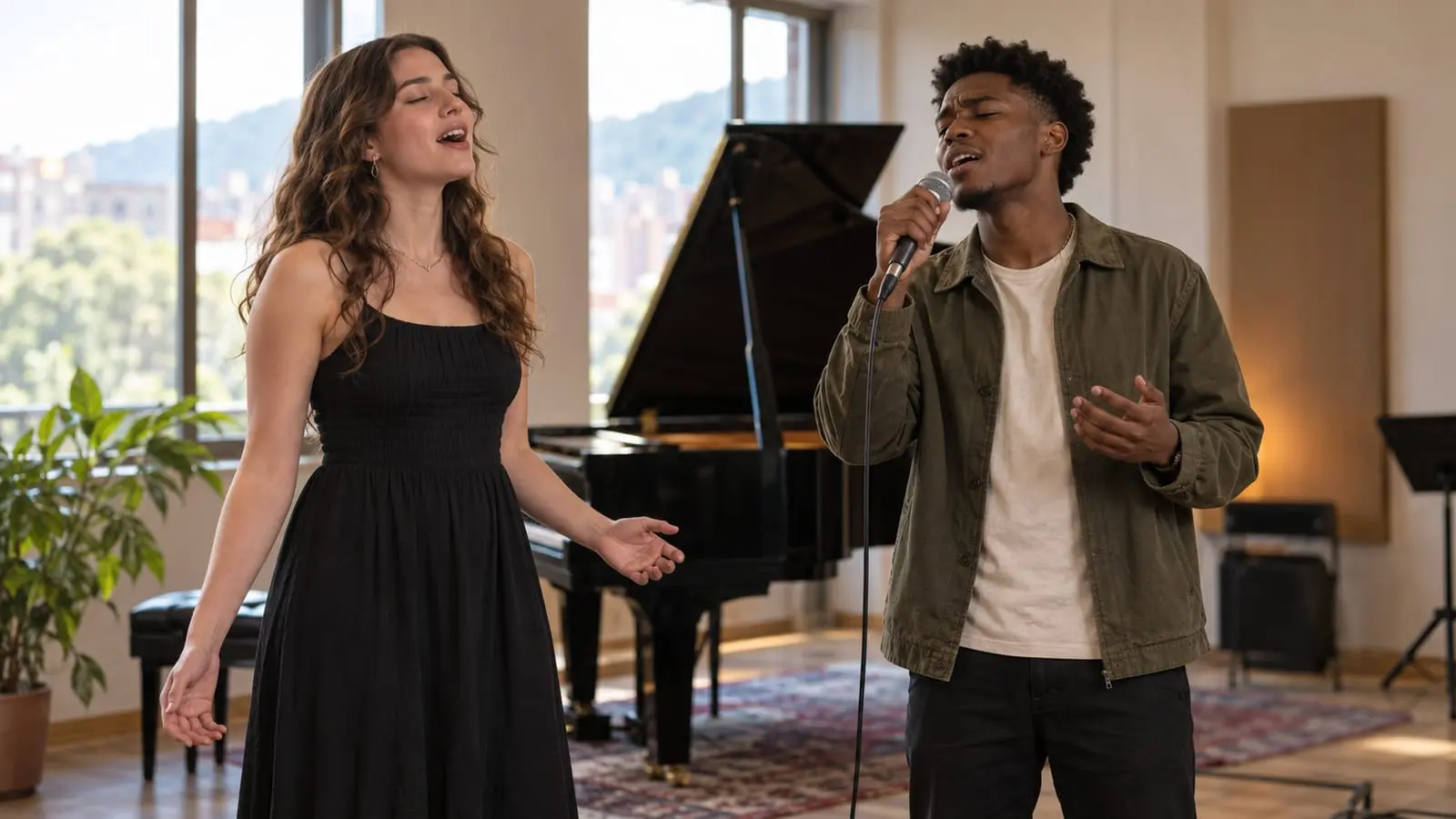
Classical or popular singing? Differences and how to choose
Both offer complete vocal techniques and share the same foundations. We compare sound, repertoire and goals to help you choose the path that suits your voice.
Read article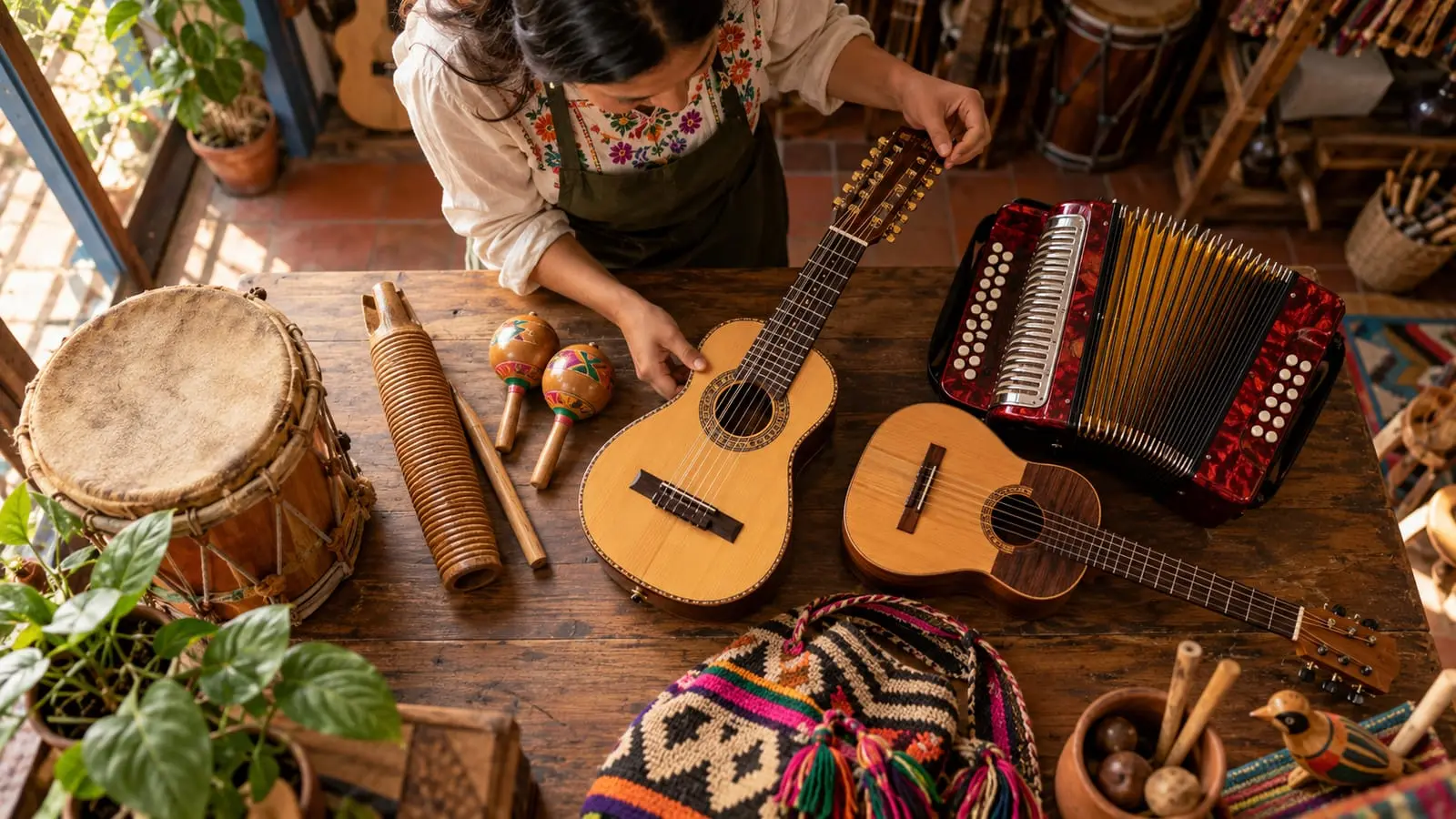
What are Colombia's traditional instruments? A region-by-region guide
From the Andean tiple to the marimba de chonta of the Pacific coast: a tour of the traditional instruments of each region of Colombia, the role they play and where to start playing them.
Read article
How long does it take to learn to sing well?
Breathing and pitch improve within weeks or months; range and style take years. The real stages of learning to sing, and the “I have no voice” myth.
Read article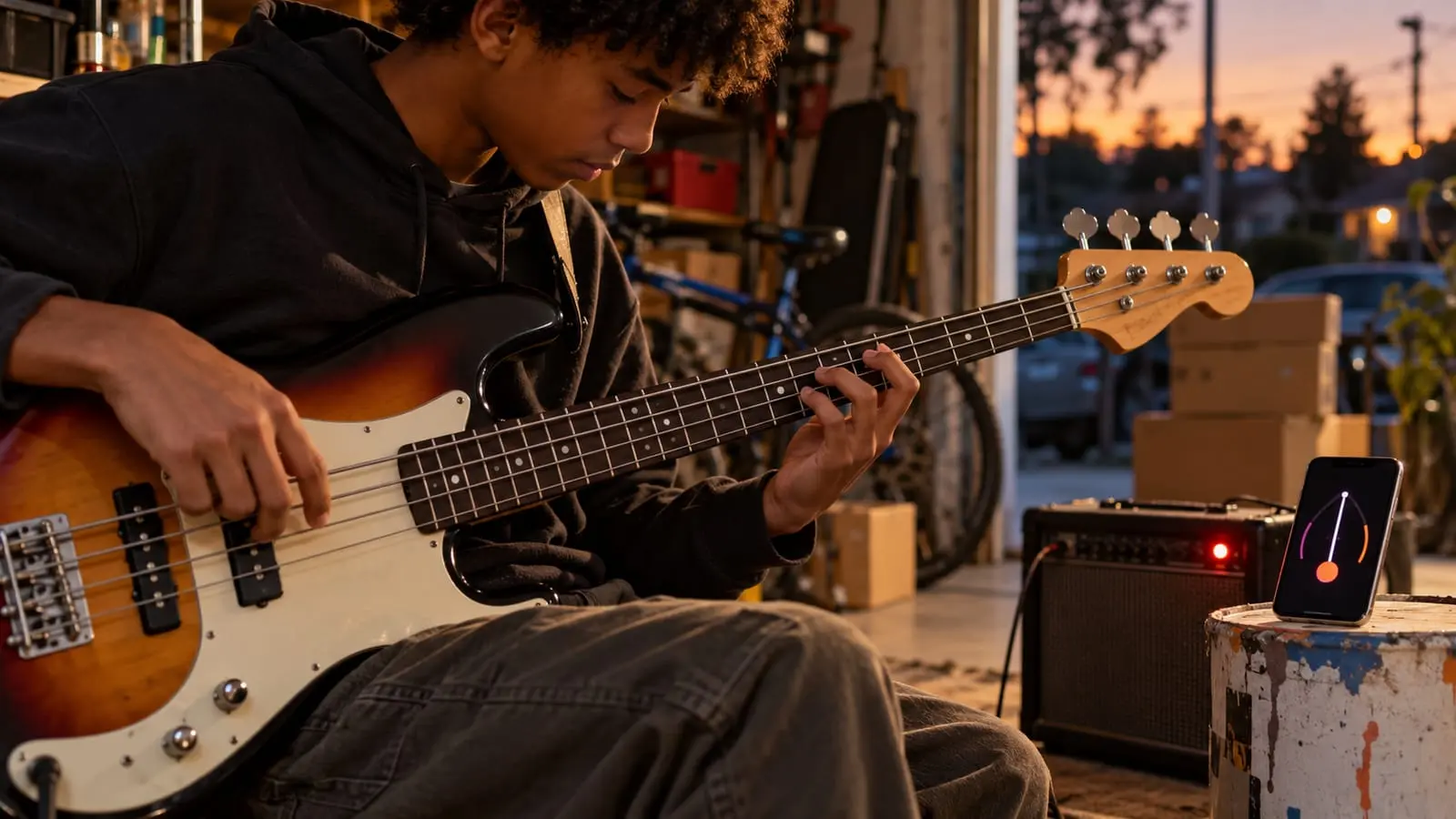
How long does it take to learn to play electric bass?
Within a few weeks you're playing your first bass lines; developing groove and playing confidently in a band takes longer. These are the real stages of learning electric bass.
Read article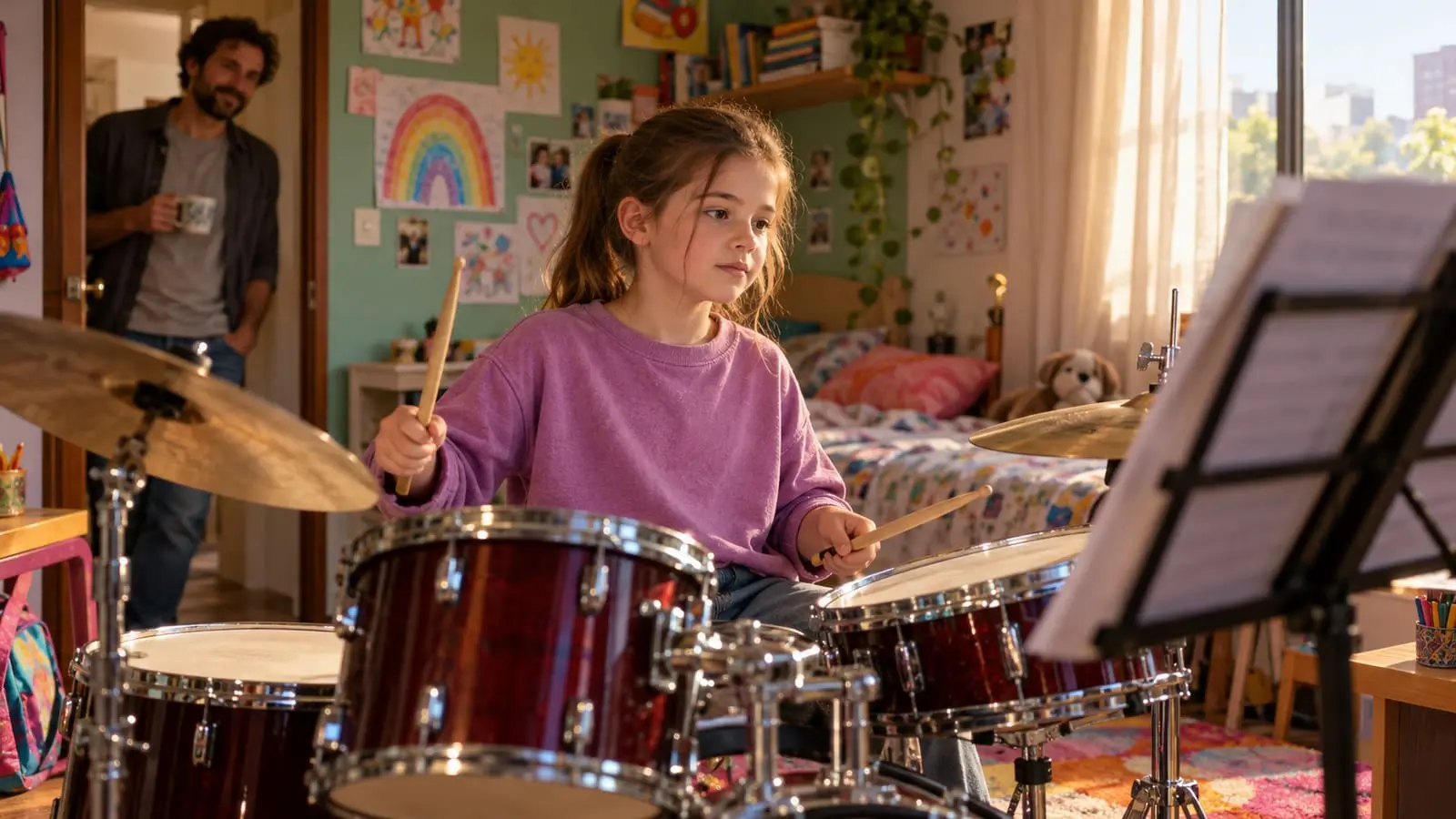
How long does it take to learn to play drums?
A basic rock beat can come together in weeks; real hand-and-foot independence takes one to three years. This is how drummers actually progress.
Read article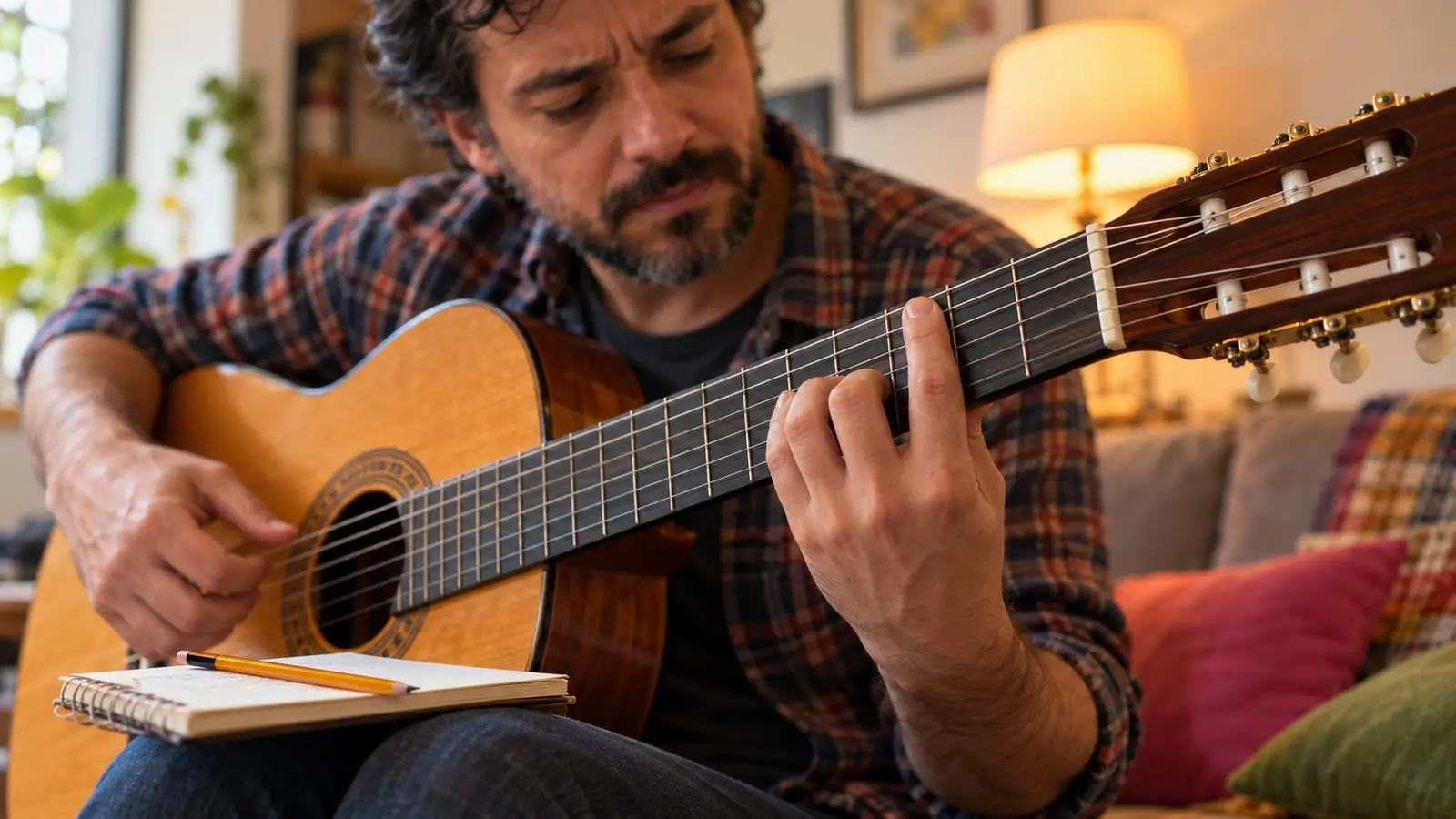
How long does it take to learn to play guitar?
Your first songs can come within a couple of months; barre chords, somewhere between month four and the end of year one. These are the real stages of learning guitar.
Read article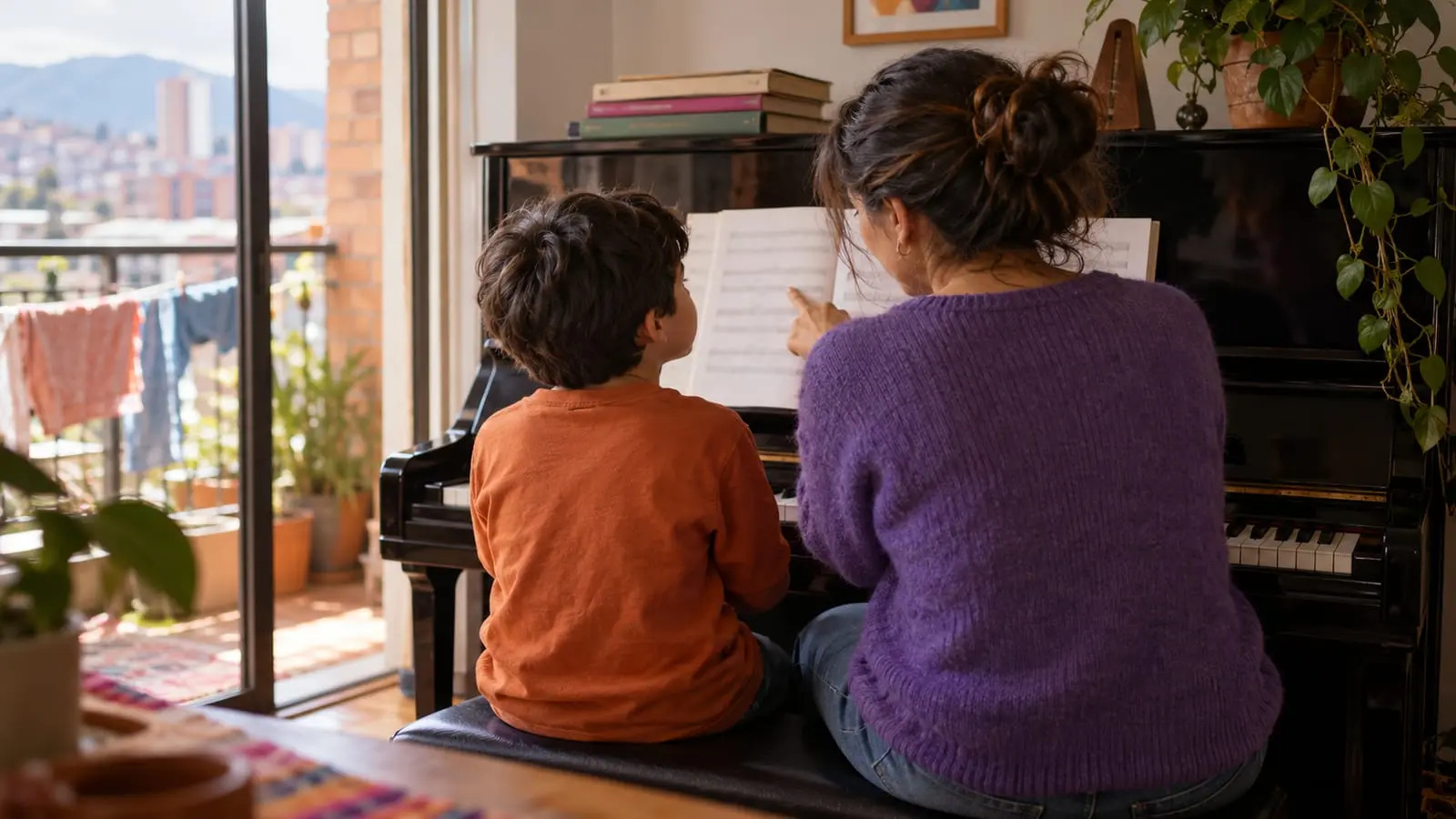
How long does it take to learn to play piano?
Your first pieces come within weeks; intermediate repertoire takes years. We walk you through the real stages of learning piano and what helps you progress faster.
Read article
How long does it take to learn to play saxophone?
The saxophone makes a sound from the first lesson, but sounding good takes longer. Realistic stages from your first note to improvising.
Read article
How long does it take to learn to play the tiple?
Your first tiple chords come within weeks; accompanying a bambuco with the right accent and picking out melodies takes longer. These are the real stages.
Read article
How long does it take to learn to play violin?
The violin asks for patience at first: the early months are all about bowing and intonation. These are its real stages and how long each one usually takes.
Read article
How long does it take to learn the clarinet?
The clarinet makes a sound quickly, but crossing the famous break and reading fluently in a band takes time. Here are the stages and rough timelines.
Read article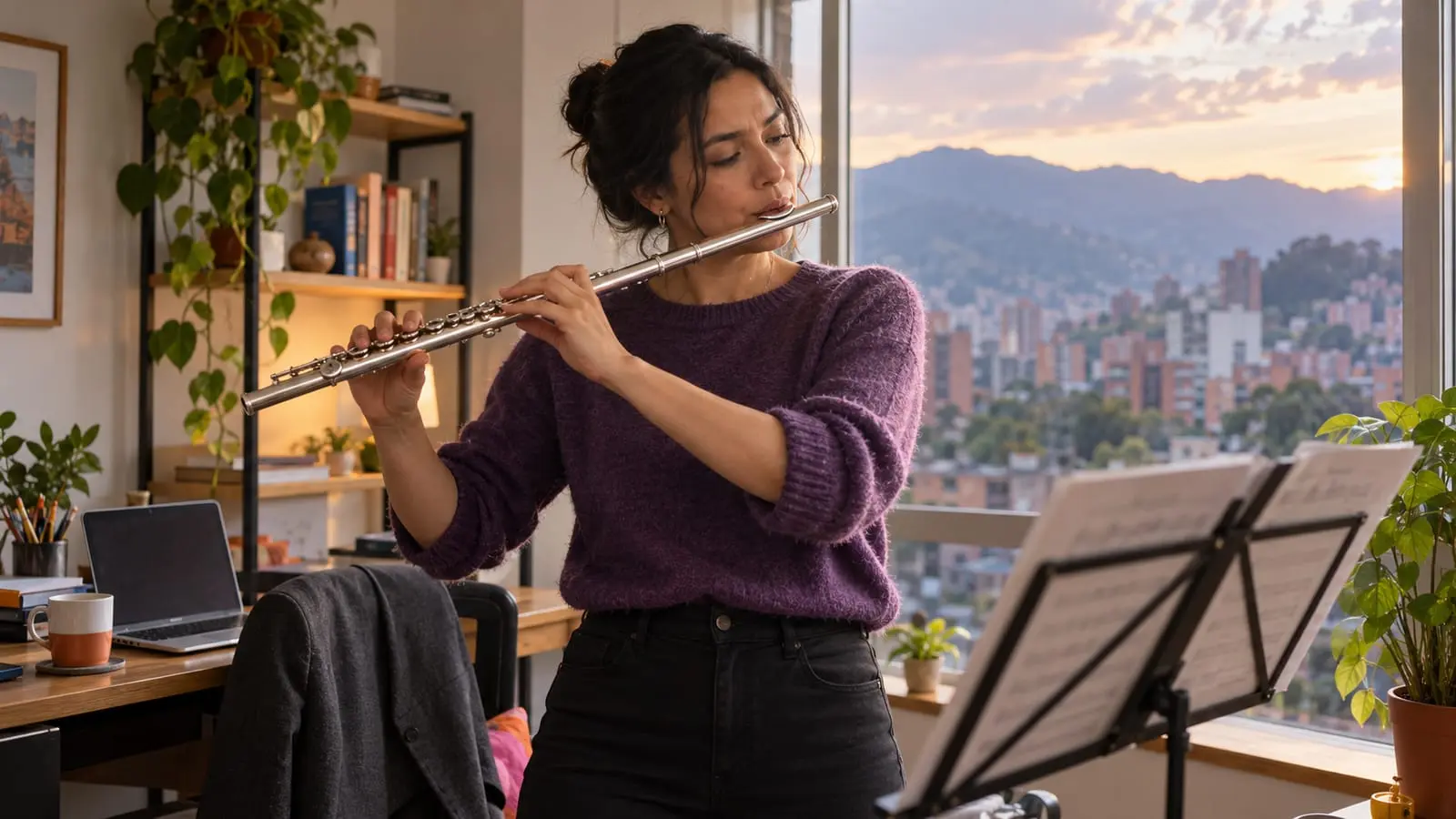
How long does it take to learn the flute?
A clean sound in the low and middle registers comes within a few months; all three octaves and intermediate repertoire take a few years. We walk you through each stage.
Read article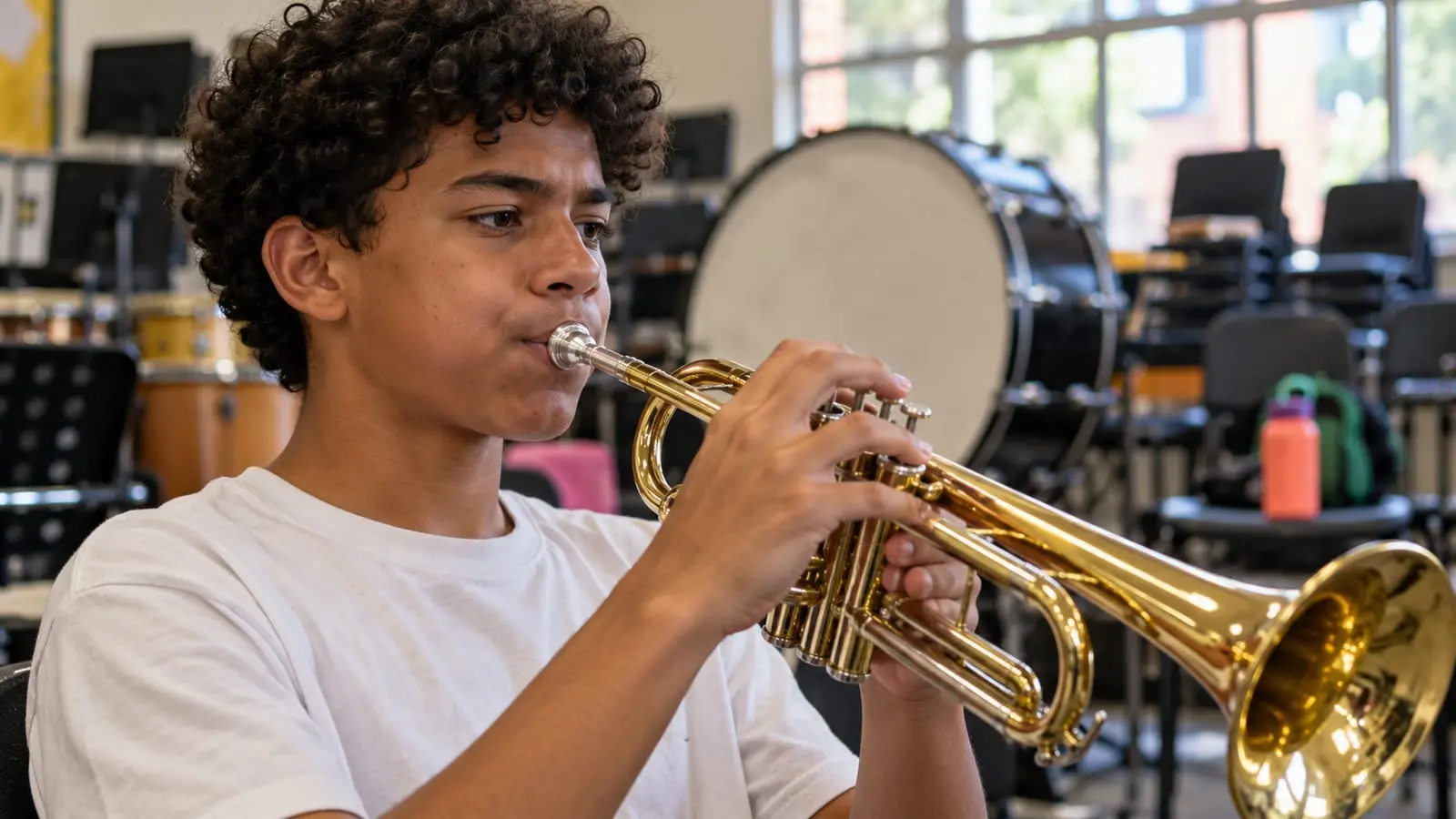
How long does it take to learn the trumpet?
The first notes come within weeks, but endurance and the high register take years to build. This is what a trumpet player's real path looks like.
Read article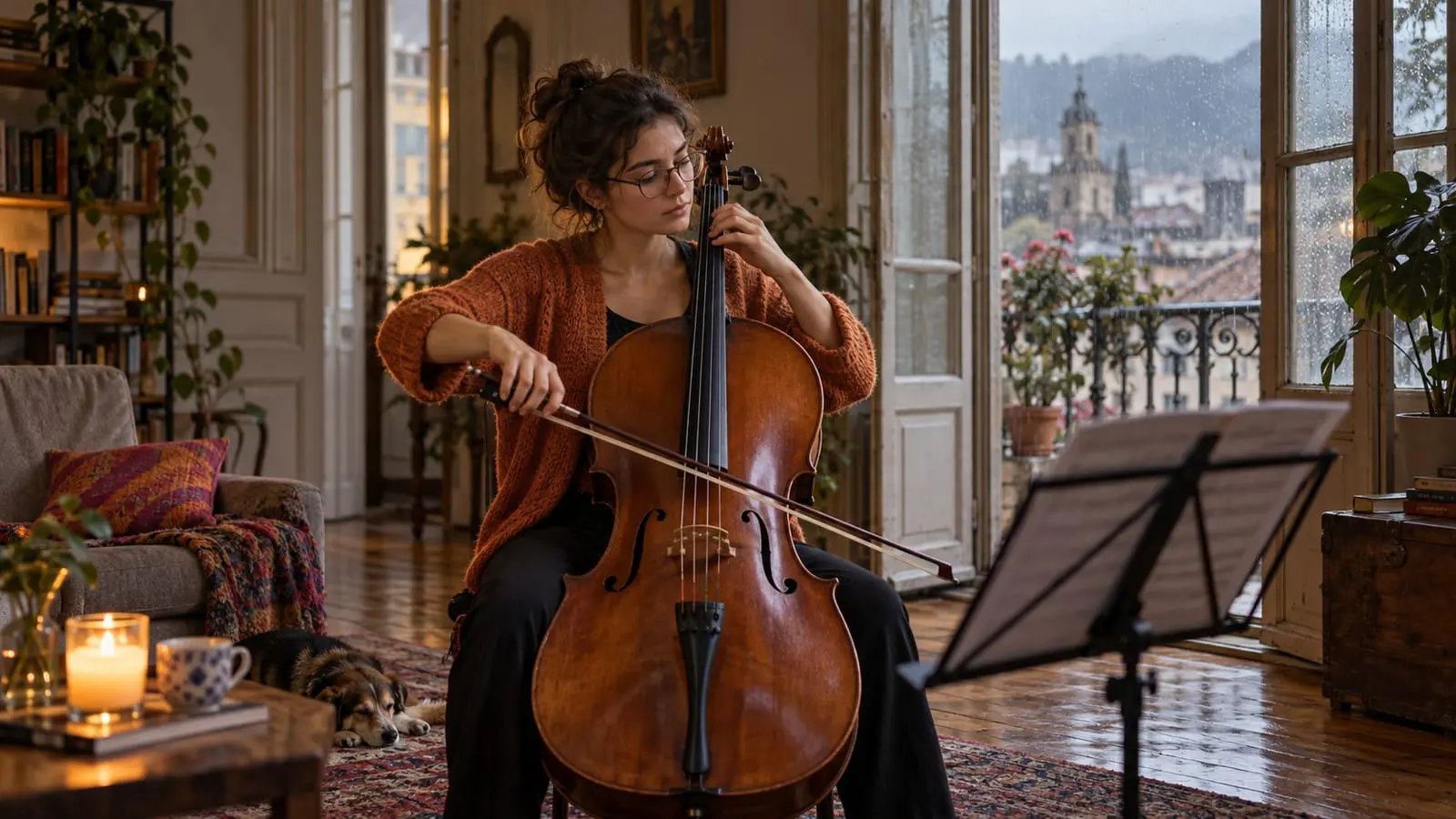
How long does it take to learn the cello?
Playing simple melodies on the cello takes a few months; shifting and vibrato take a couple of years. This is what the path looks like with regular practice.
Read article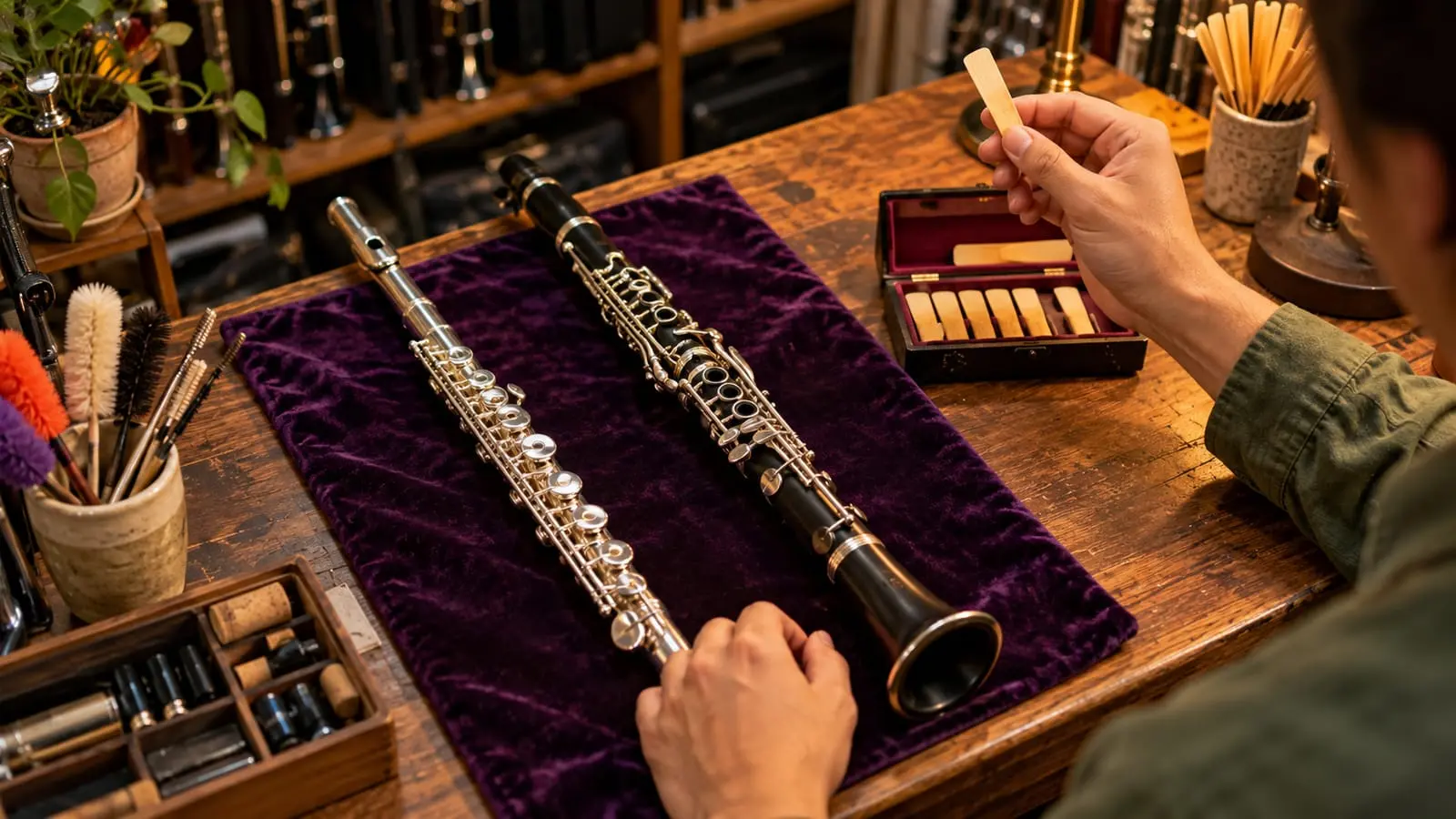
Flute or clarinet? Which to choose as a beginner
Both are woodwinds, but they feel very different: one is reedless and held to the side, the other has a reed and is held in front. We compare embouchure, fingering, sound and bands.
Read article
Acoustic or electric guitar? Which to learn first
You don't have to start on acoustic. We compare strings, gear, genres and age so you can pick the guitar that will actually get you practicing.
Read article
Guitar or bass? Which to learn based on your style
One builds the harmony and plays the solos; the other holds down the groove for the whole band. We help you choose based on how you feel music.
Read article
Guitar or tiple? Which to learn first
The tiple is tuned like the first four strings of the guitar, but it sounds and plays differently. We help you choose and map out your path.
Read article
Digital piano or keyboard? Differences and which to choose
They look alike from the outside, but they don't play the same. We explain what changes in the keys, the pedal and the polyphony, and when a keyboard is enough to learn on.
Read article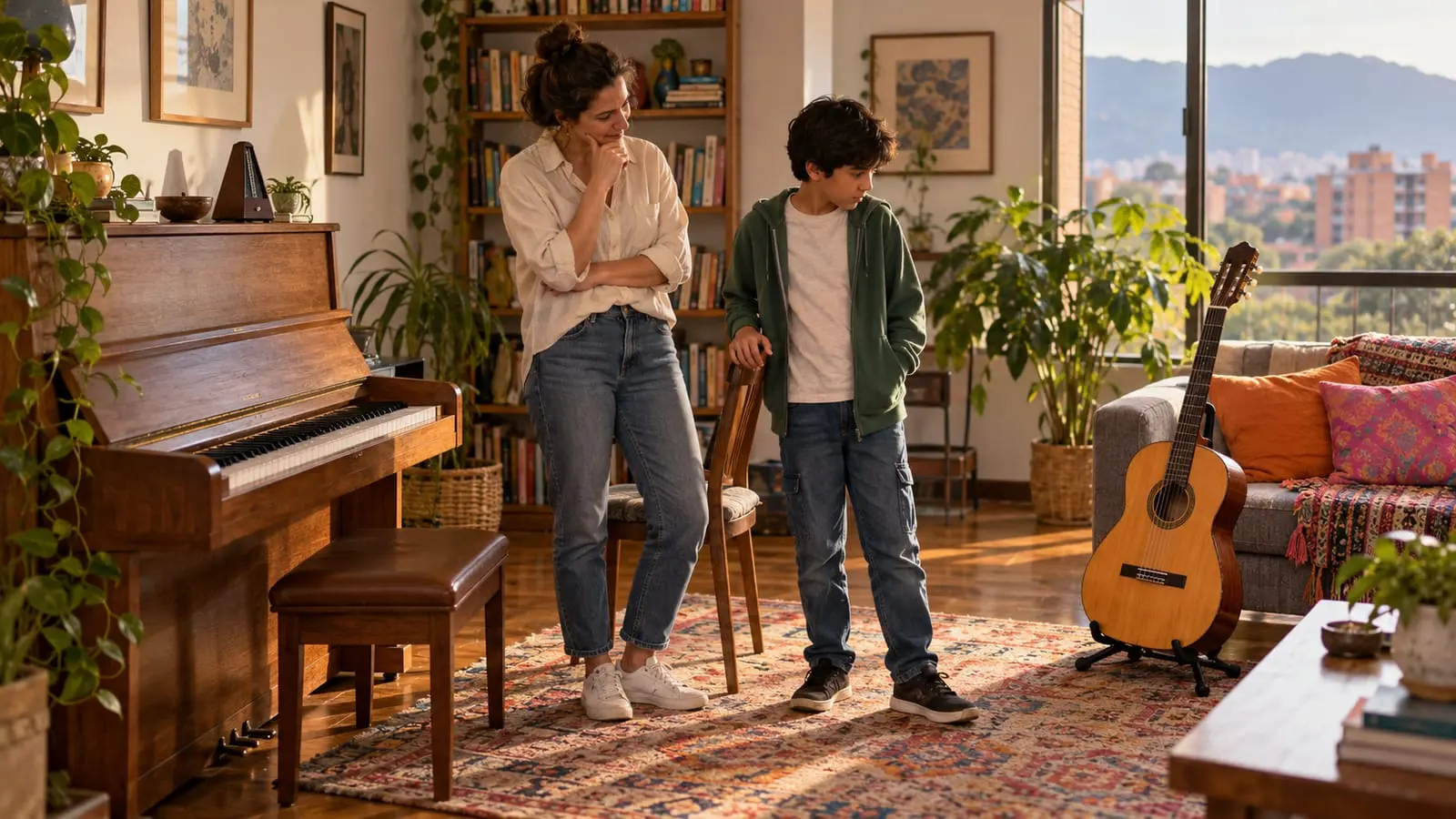
Piano or guitar? How to choose your first instrument
Both are great ways into music. We compare the early learning curve, cost, portability, reading and styles so you can pick the one that suits you.
Read article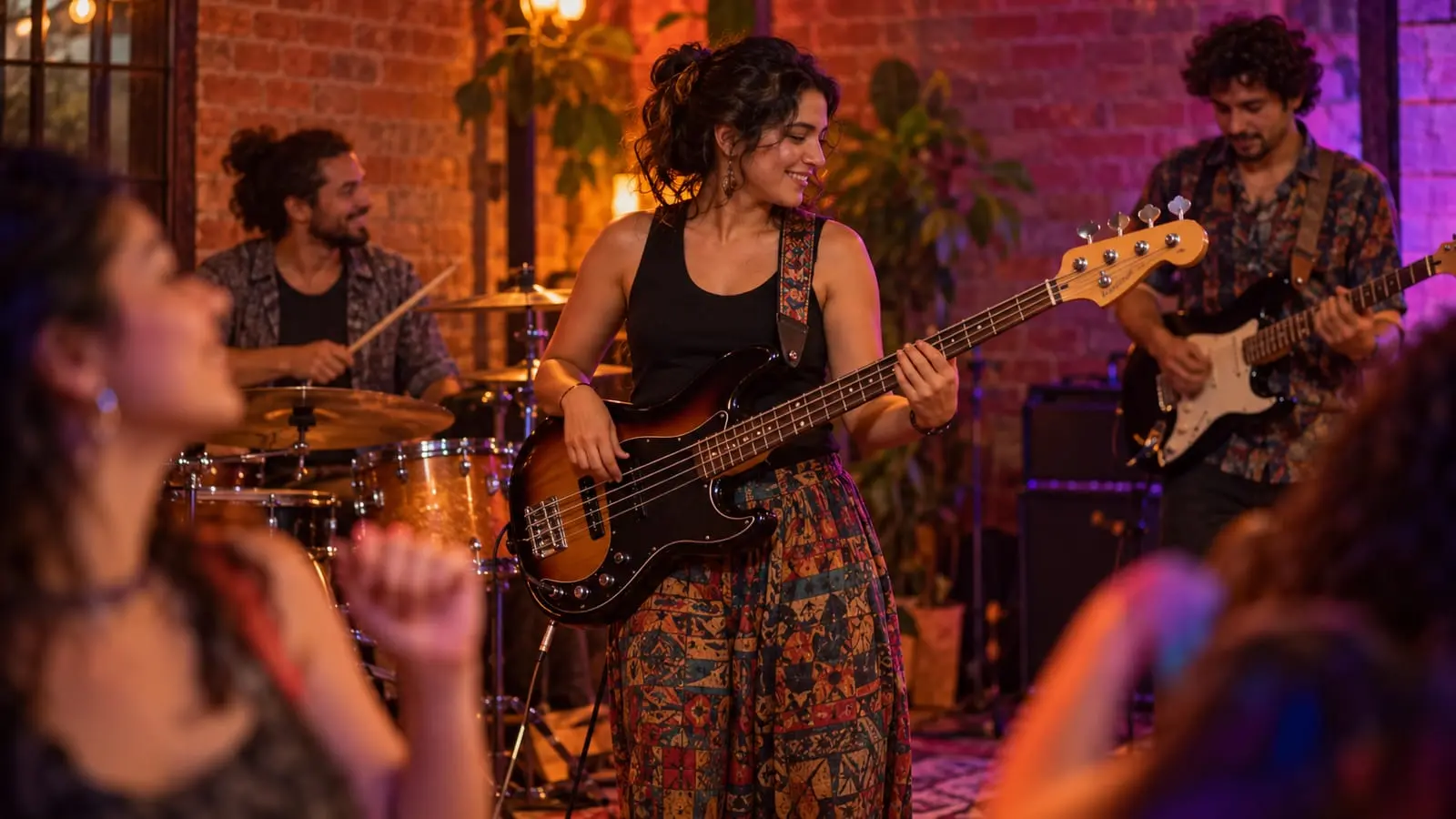
Why learn electric bass? The instrument that holds the band together
The bass ties rhythm and harmony together, and almost every band needs one. Here's what it trains, which genres it shines in and who it suits.
Read article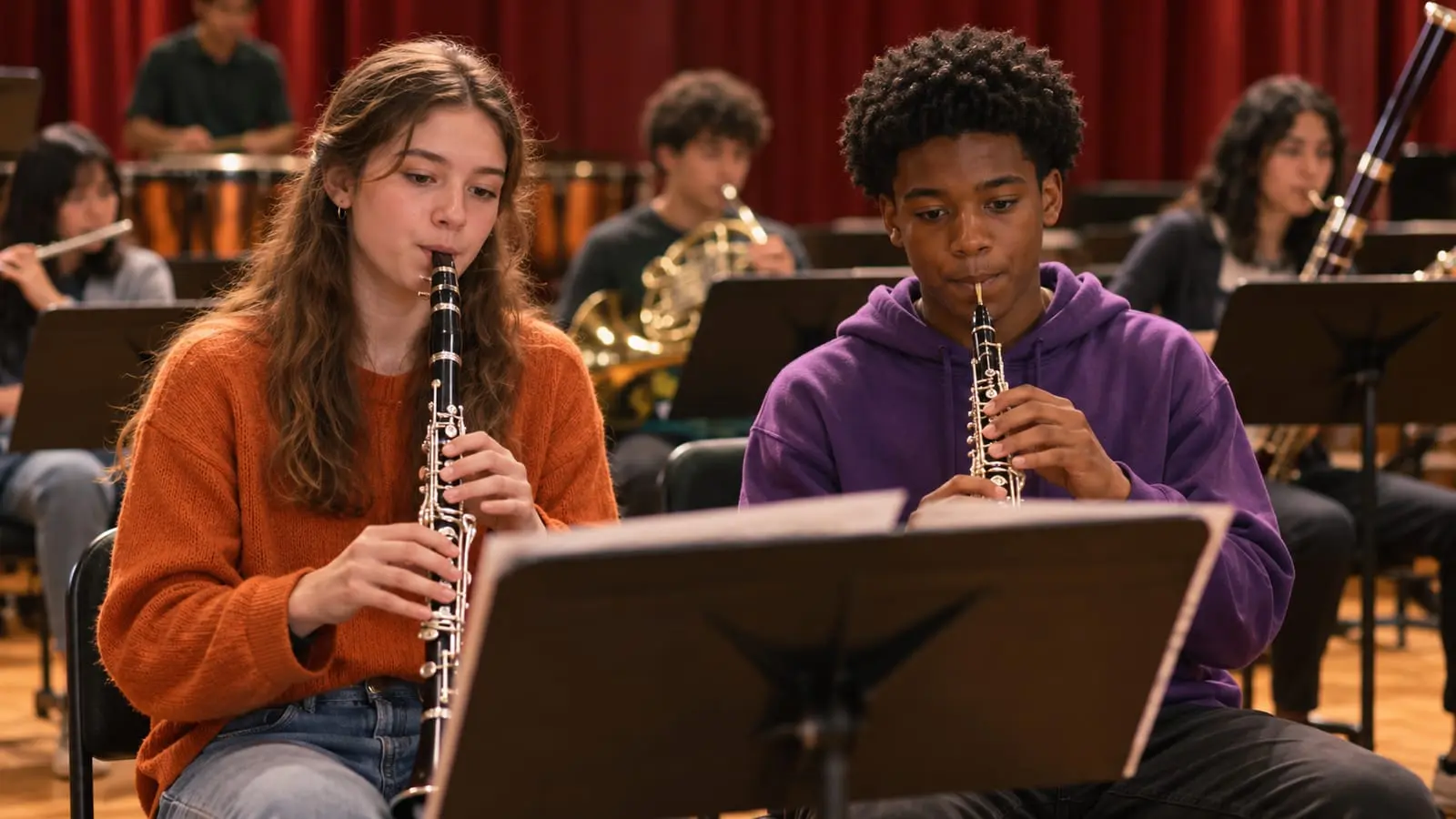
Why learn clarinet or oboe? The colors of the woodwinds
The clarinet is the all-rounder of bands and orchestras; the oboe, a rare and highly valued voice. What each one trains and who each suits best.
Read article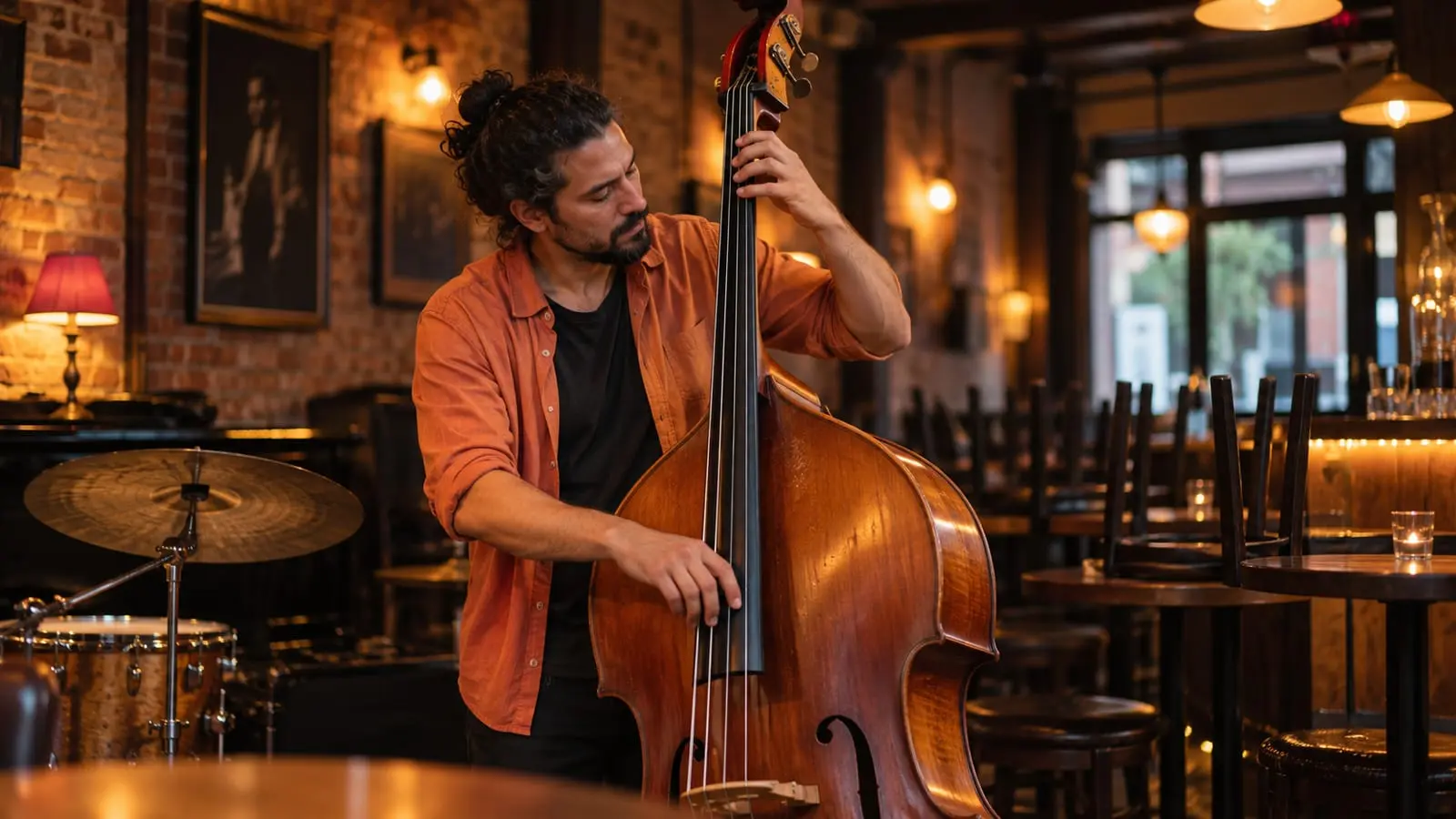
Why learn the double bass? The foundation of the orchestra and of jazz
The double bass holds up the orchestra and makes jazz walk, and few people play it. What it gives you, where to play it and what challenges to expect.
Read article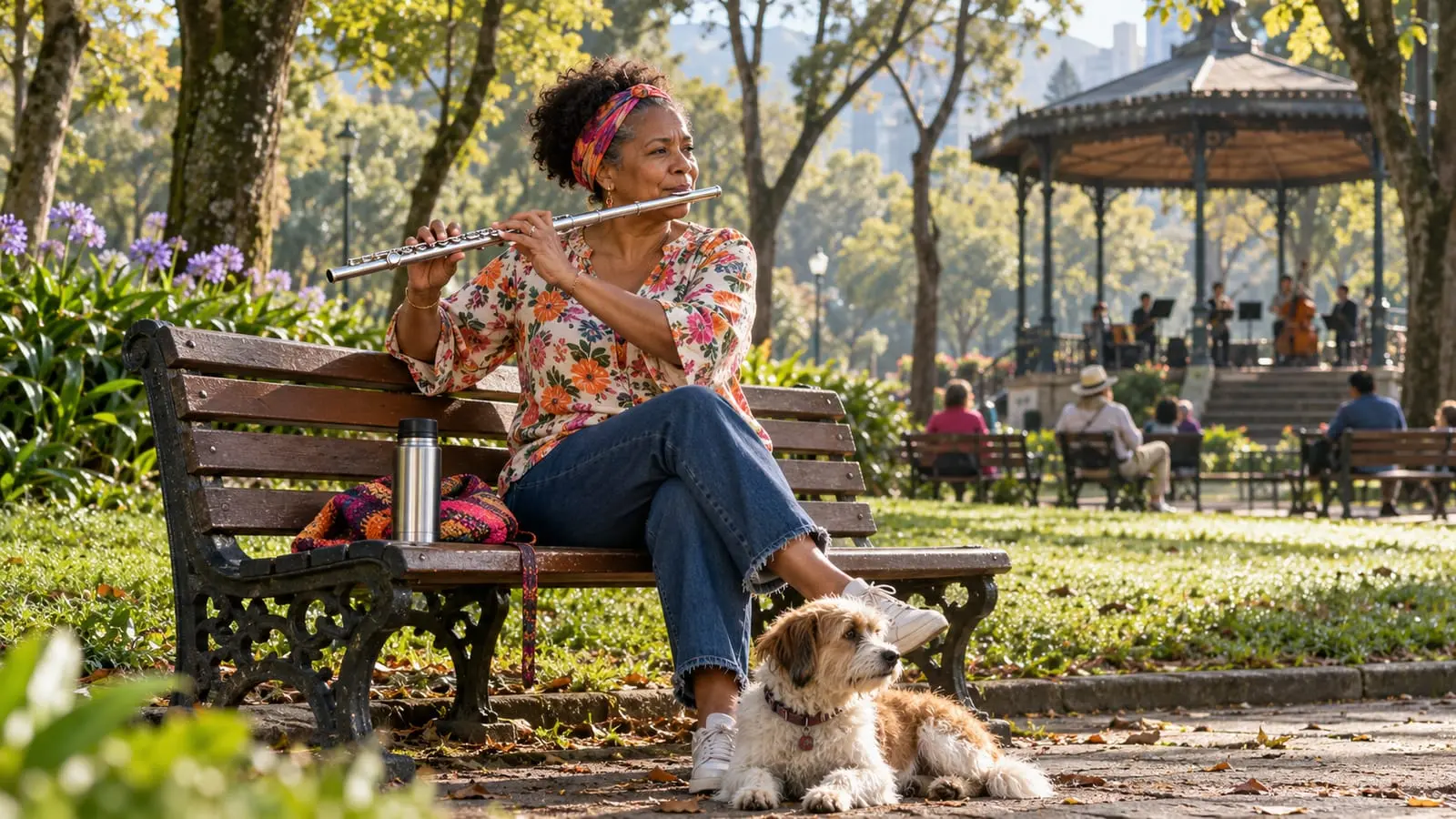
Why learn the flute? Real benefits and challenges
Lightweight, reed-free and pitched in C: the flute takes you from the orchestra to the band to Andean music. We explain what it trains and what challenges it brings.
Read article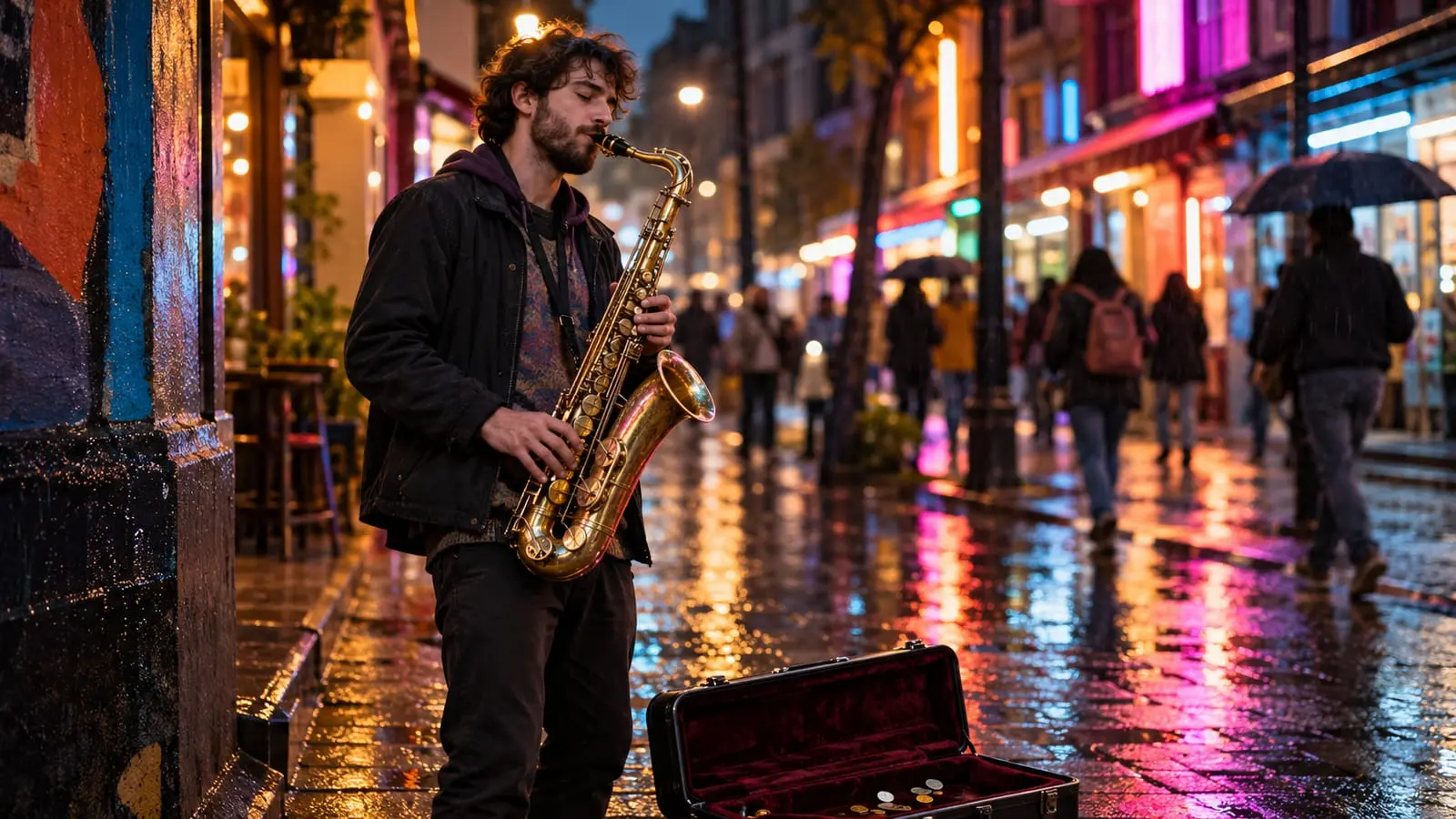
Why learn saxophone? Real reasons and challenges
The saxophone sounds close to the human voice and fits into jazz, tropical dance orchestras and bands. Here's what it gives you and what it will demand of you.
Read article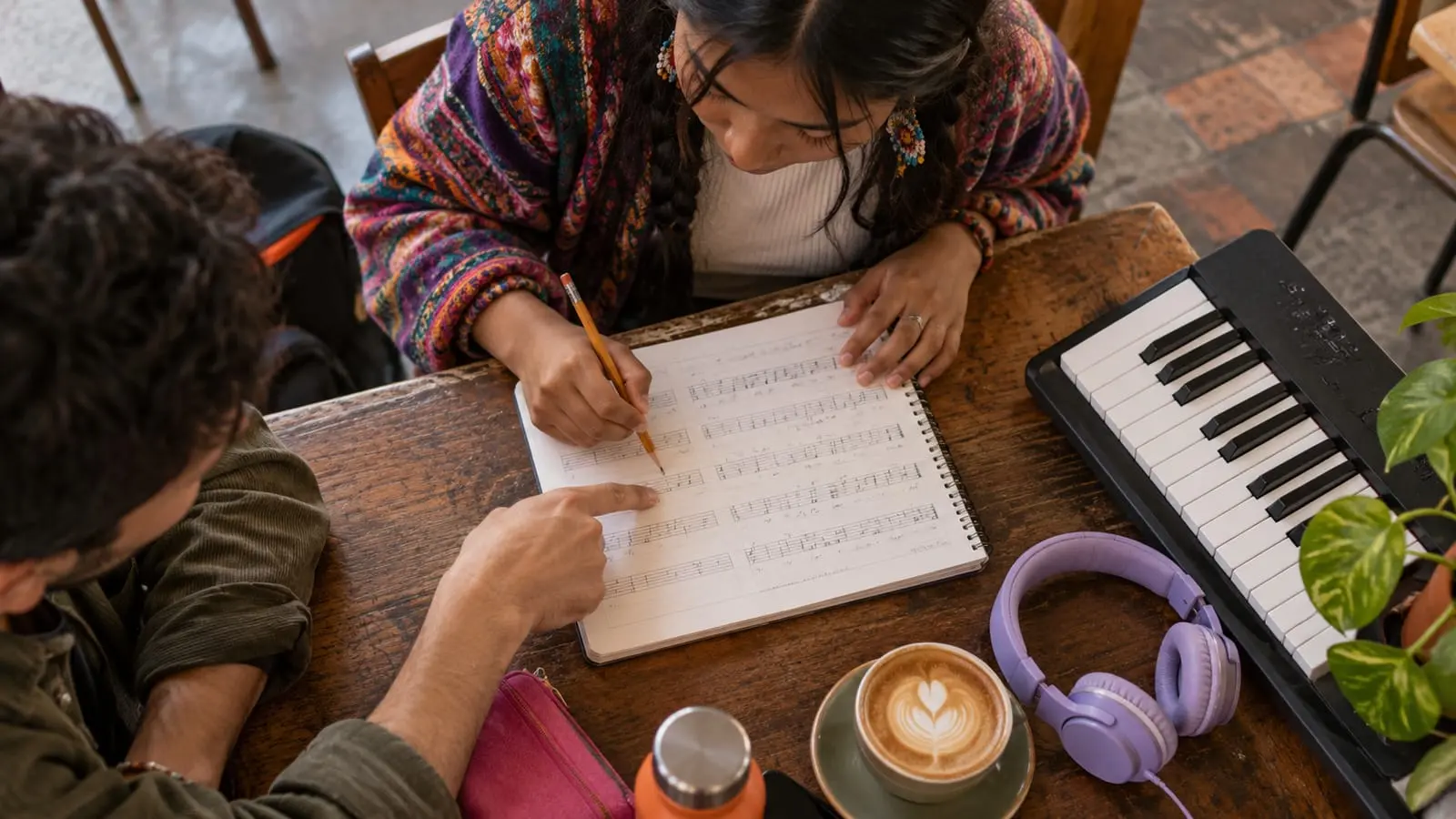
Why learn music theory? What it's really good for
Music theory isn't a rulebook: it's the language that explains what you already hear. We explain what it's for depending on your goal and how to study it without getting bored.
Read article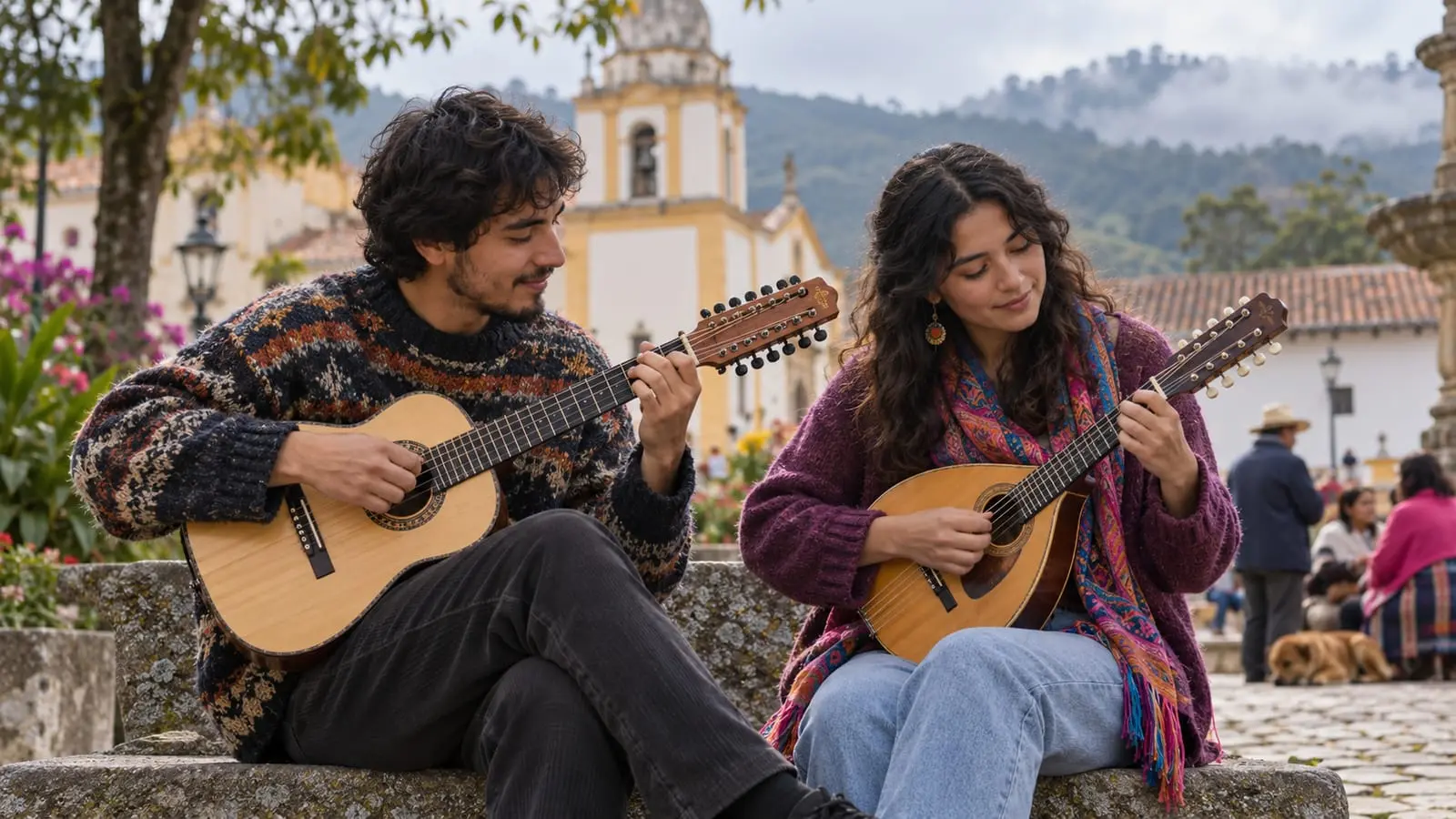
Why learn the tiple or bandola? Andean music from the inside
The tiple and the bandola are the heart of the Colombian Andean trio. We tell you what each one brings, where they're played and which one suits you best.
Read article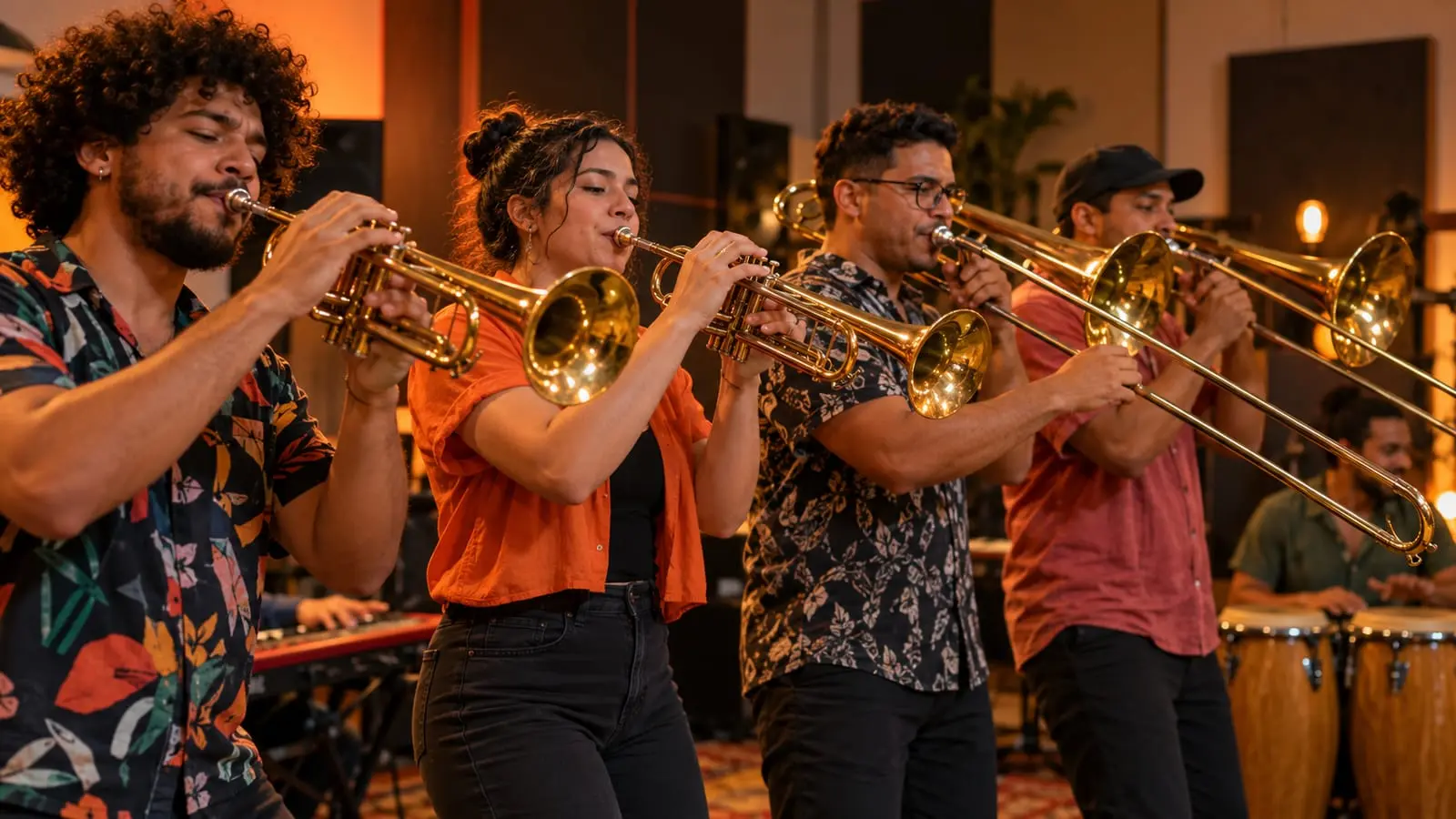
Why learn trumpet or trombone? The energy of brass
The trumpet and trombone fill a band, a salsa orchestra or a big band with energy. What they train, where to play them in Colombia and what challenges they bring.
Read article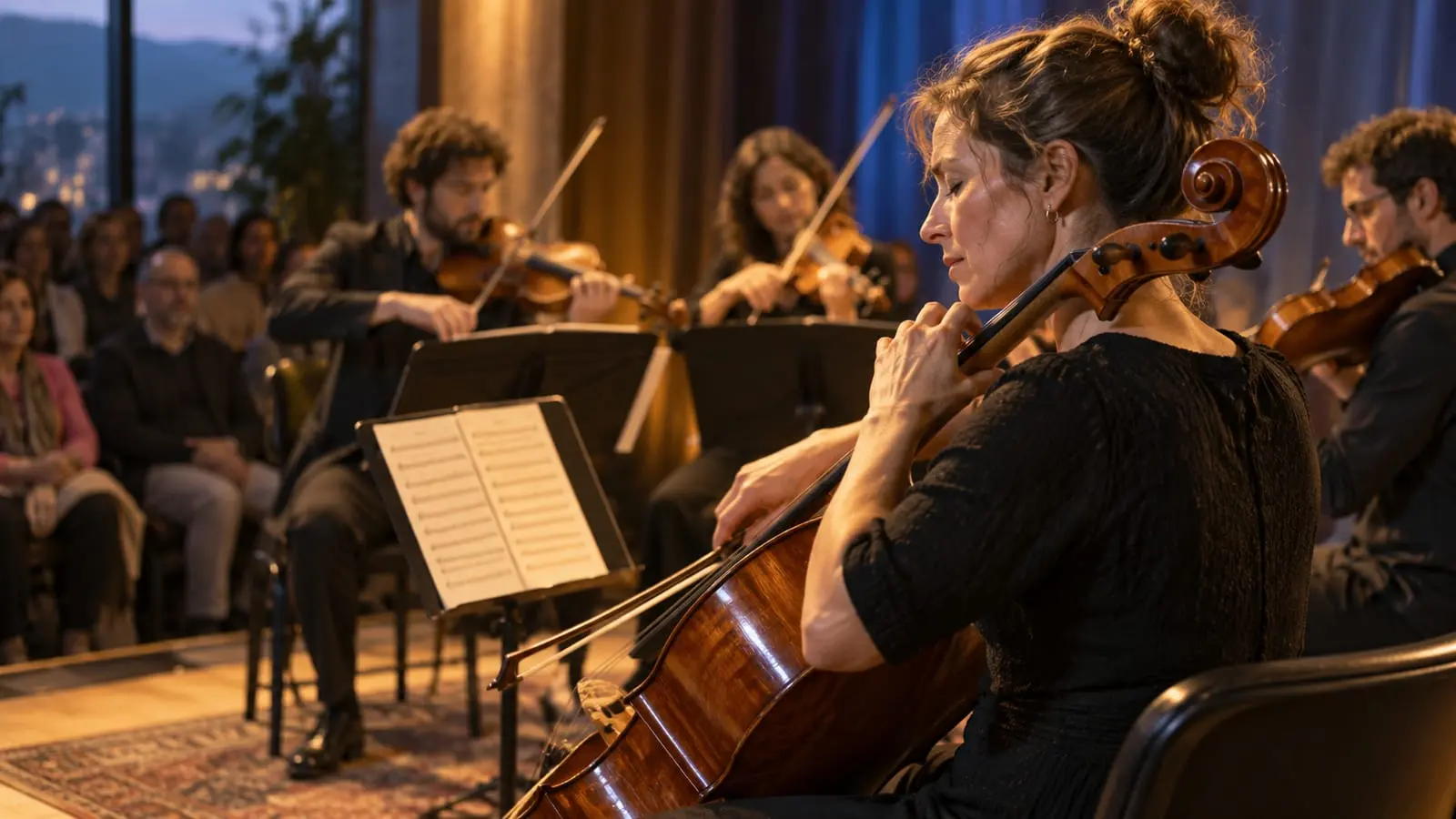
Why learn cello? What makes the cello special
The cello sings in the range of the human voice, is played sitting down and has a place in orchestras, quartets and bands. Here's what it gives you.
Read article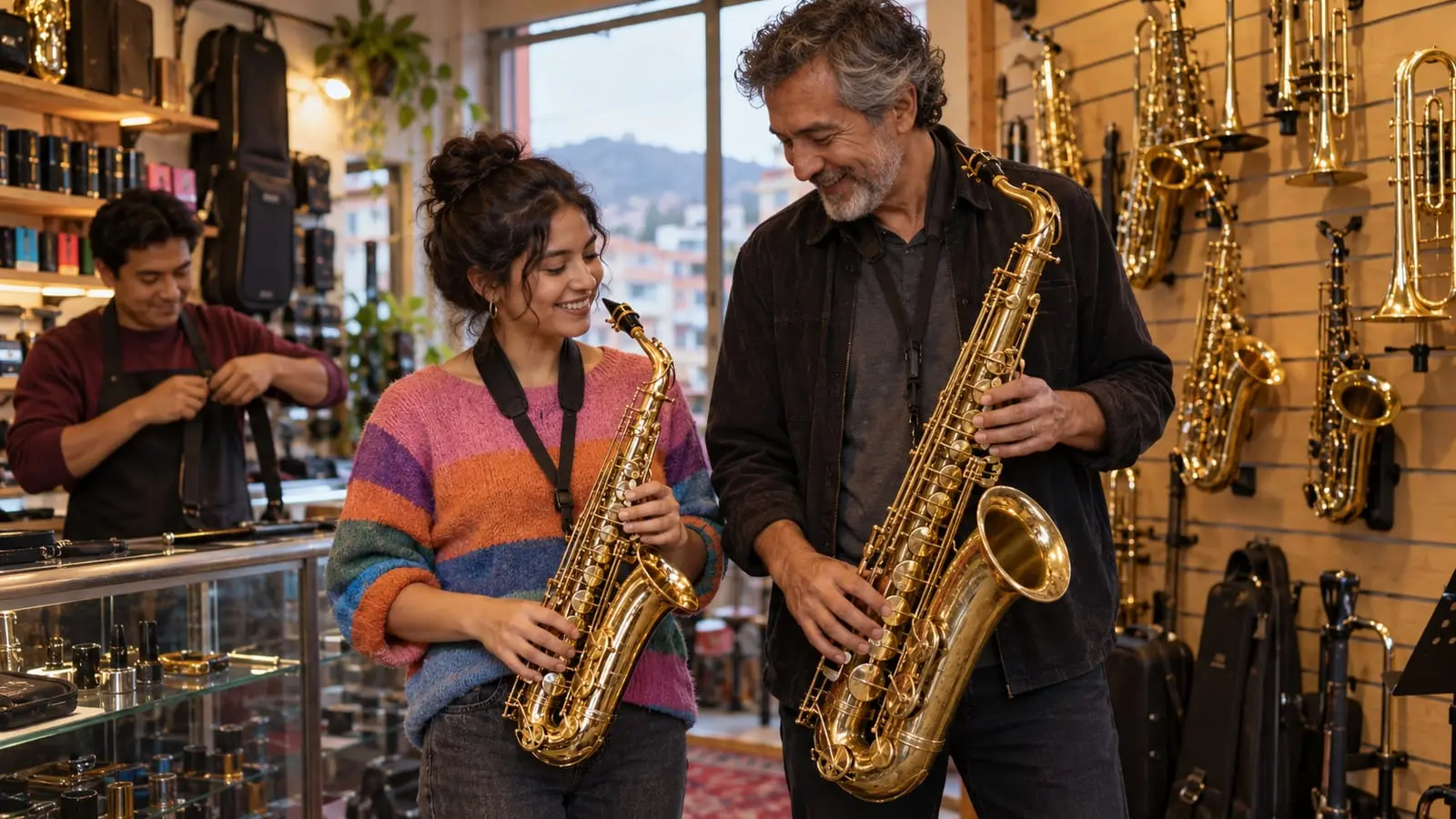
Alto or tenor saxophone to start? Which to choose
The alto is the most common way in, but not the only one. We compare size, weight, mouthpiece, sound and genres so you can pick the sax that will hook you.
Read article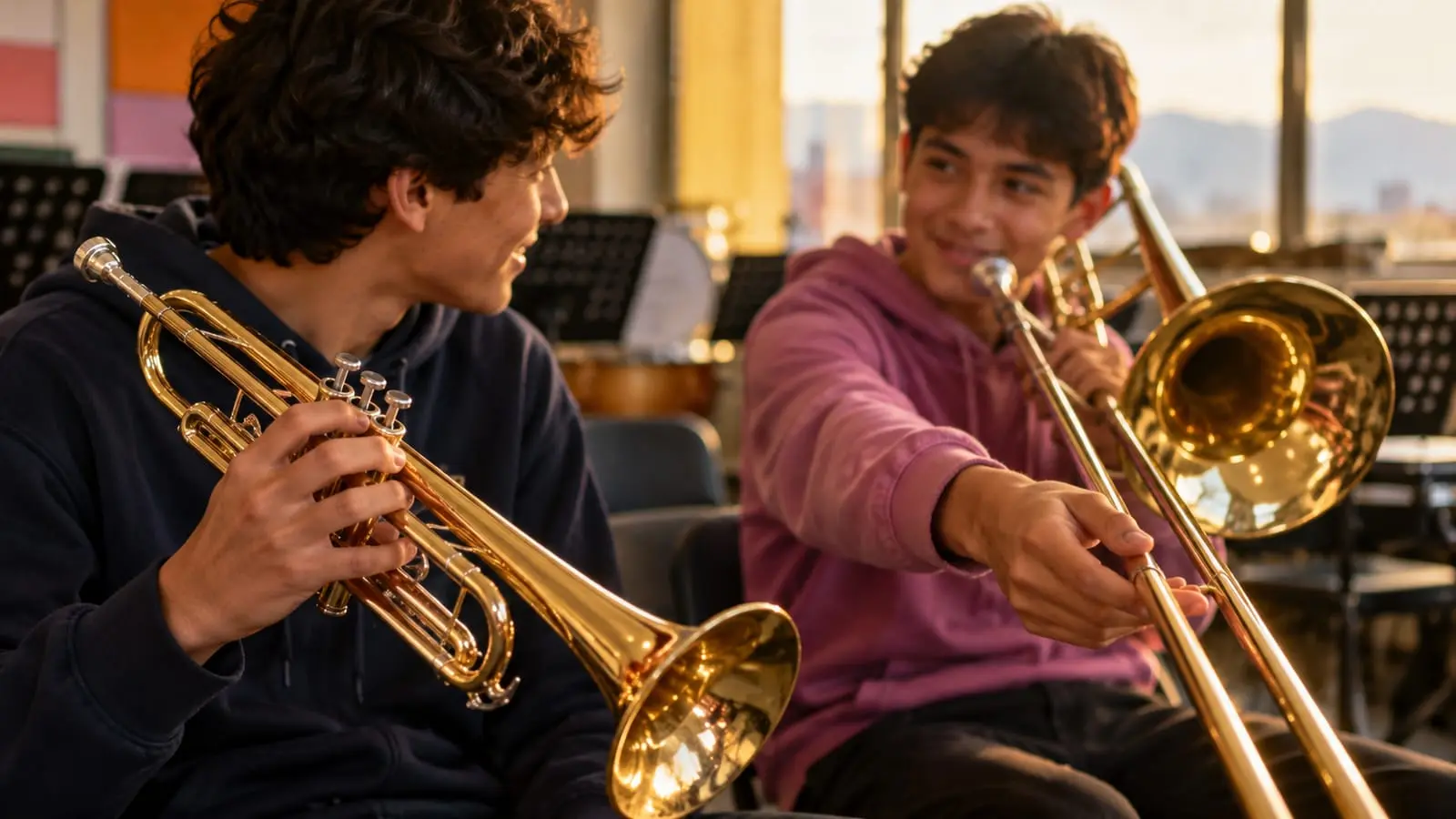
Trumpet or trombone? Which to start with
Both are played by buzzing your lips, but one uses valves and the other a slide. We compare mouthpiece, range, genres and how to switch from one to the other.
Read article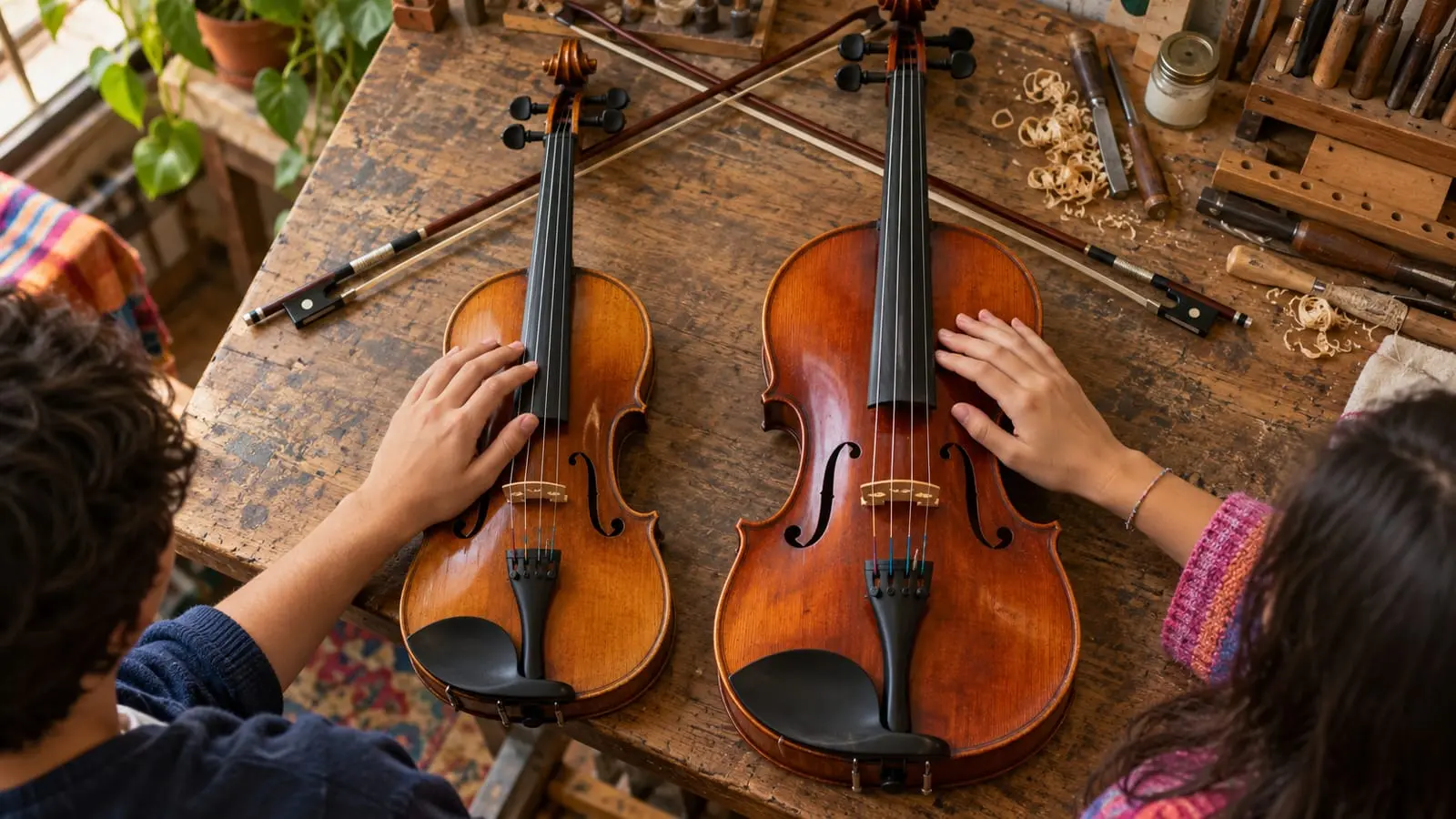
Violin or viola? The differences and which to choose
They look so alike that many people mix them up, but they don't sound or read the same. We compare size, the C clef and their role in the orchestra, and how to switch from one to the other.
Read article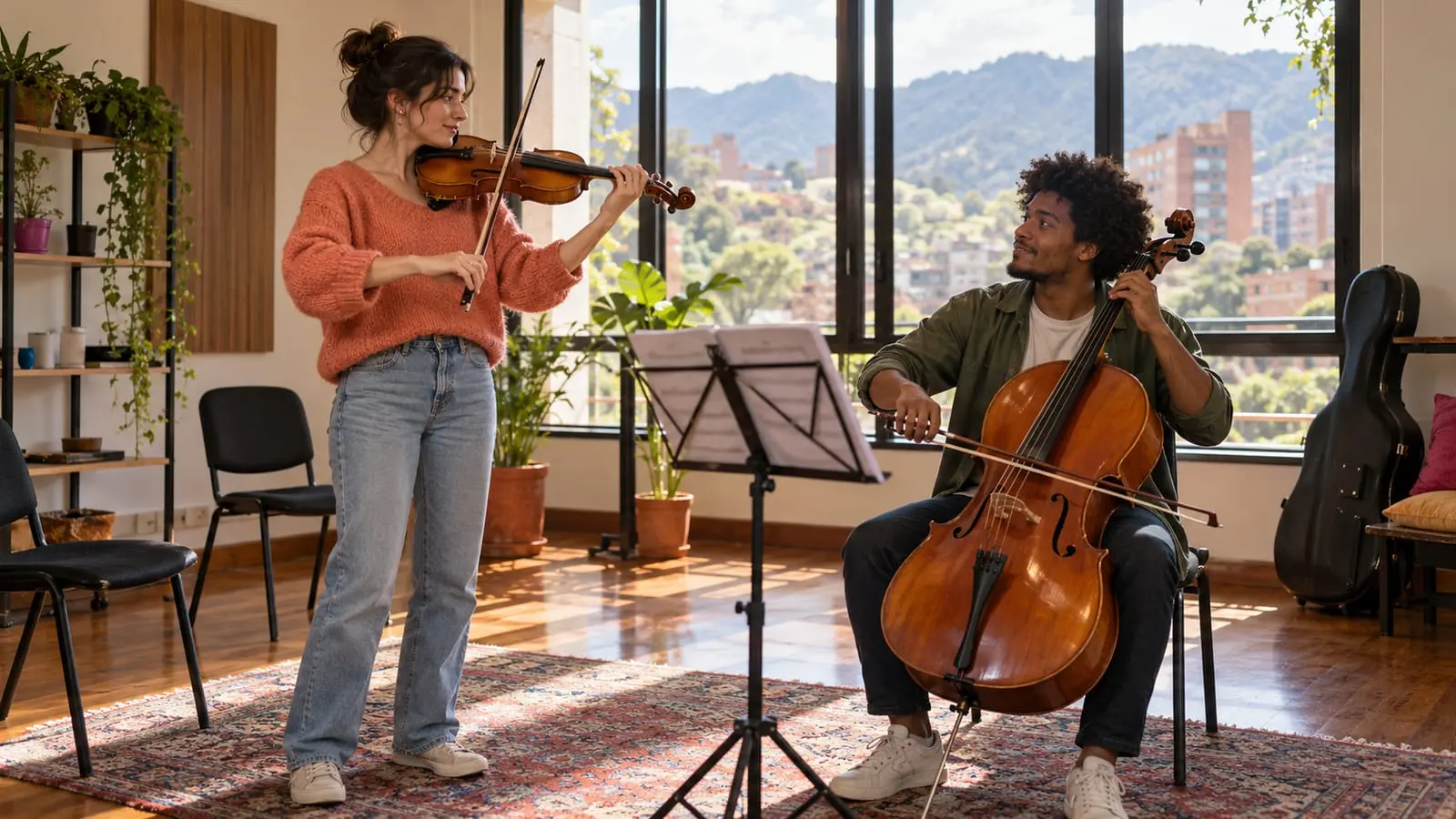
Violin or cello? How to choose between them
One is played standing up and shines in the high register; the other is played sitting down and sings in the low register. We compare posture, sound, transport, repertoire and age.
Read article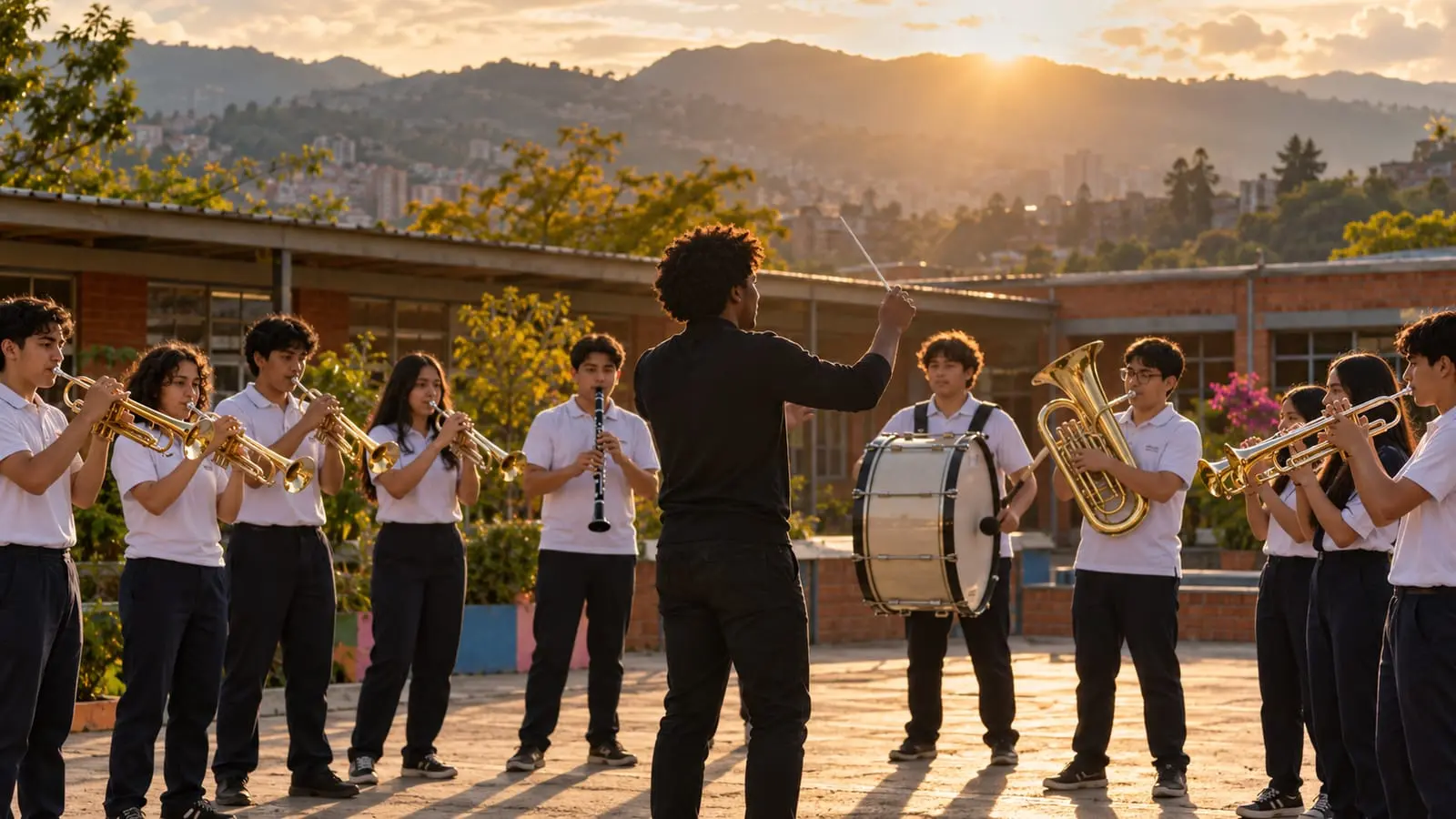
Wind bands in Colombia: how to get started and which instrument to choose
Symphonic, marching or pelayera: the types of bands in Colombia, how to choose your instrument and what to prepare before your first rehearsal or entrance audition.
Read article
Benefits of learning guitar: why it's worth it
The guitar is the instrument of get-togethers, serenades and your own songs. Here's what it gives you, where to play it and what challenges to expect.
Read article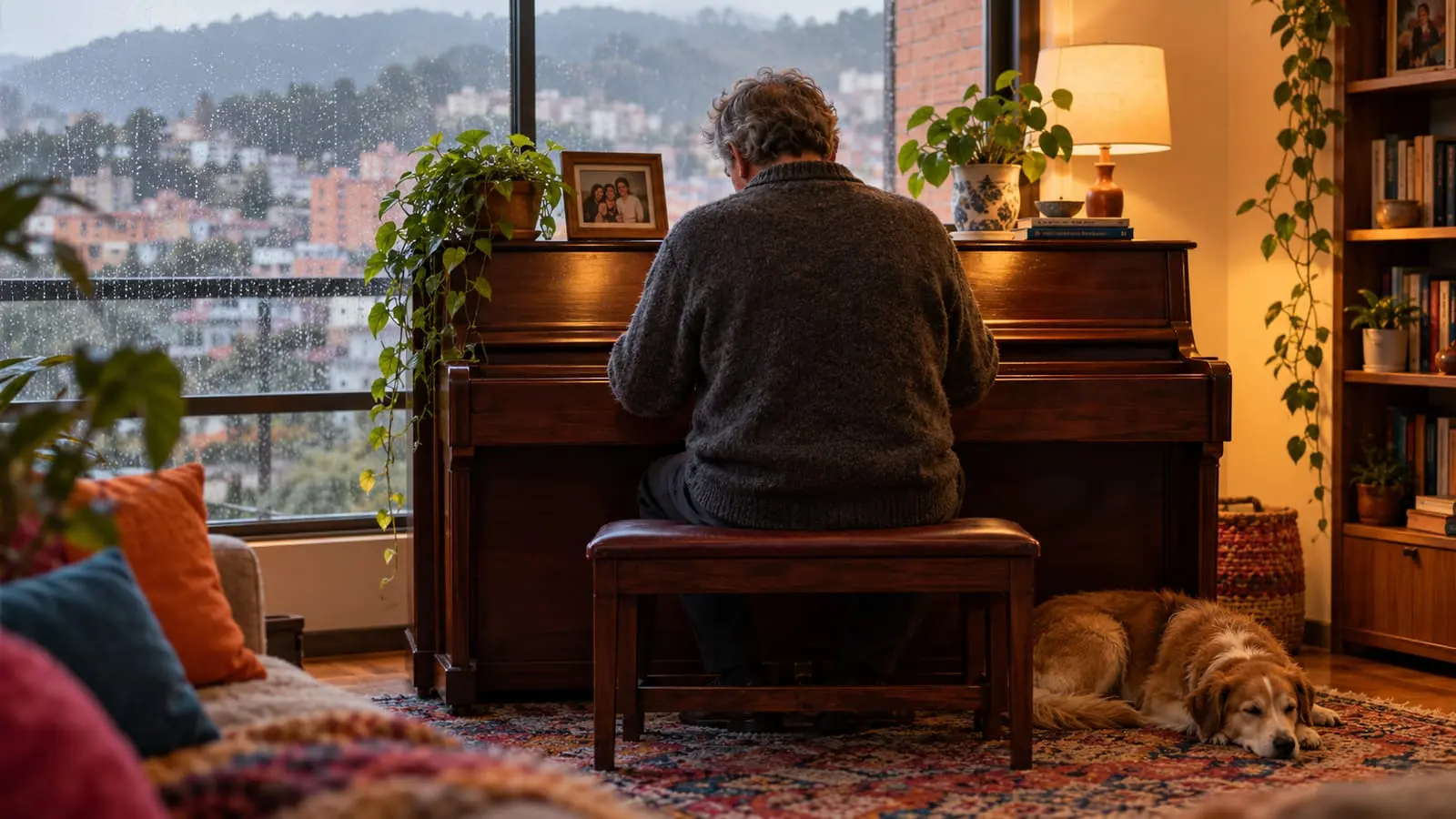
Benefits of learning piano: what it really gives you
The piano lets you see music: melody, chords and bass on a single keyboard. We explain the skills it develops, where to play it in Colombia and the challenges it brings.
Read article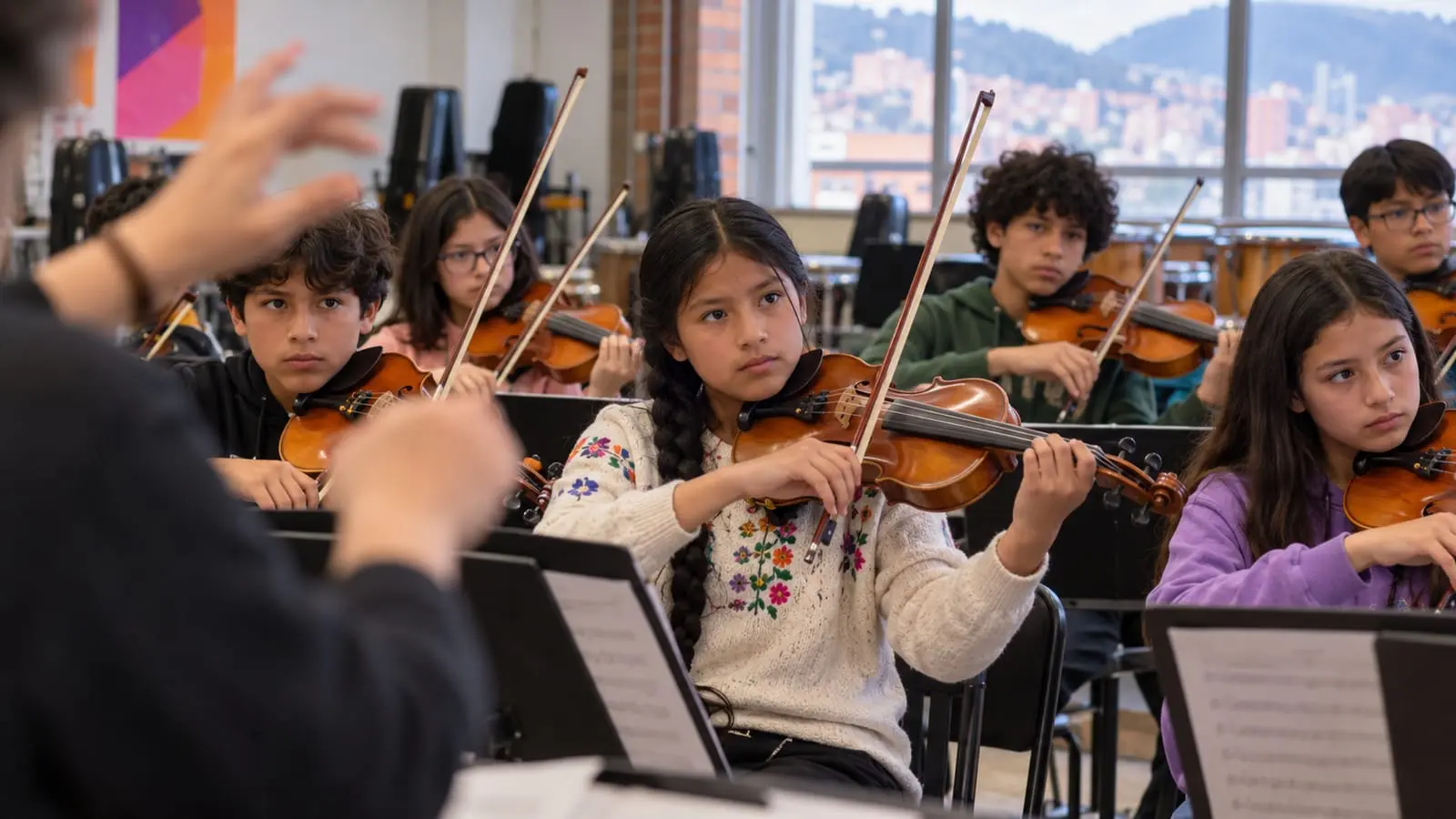
Benefits of learning violin: ear training, discipline and orchestras
The violin asks for patience, but gives a lot back: a trained ear, discipline and a way into orchestras and ensembles. Here's what to expect.
Read article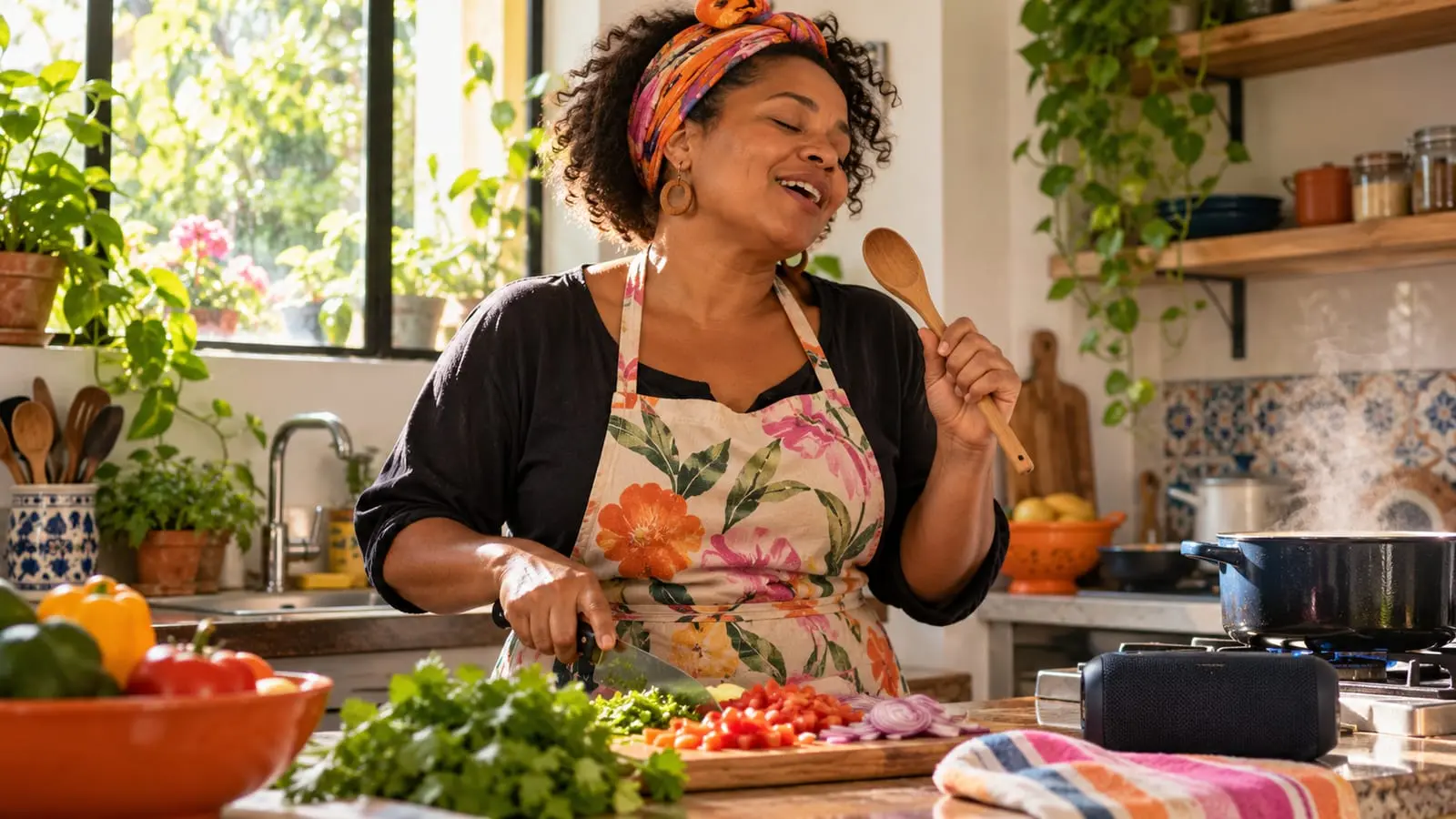
Benefits of singing and of taking singing lessons
Singing is the most direct way to make music. Here's what it gives you, what lessons add and where to sing in Colombia.
Read article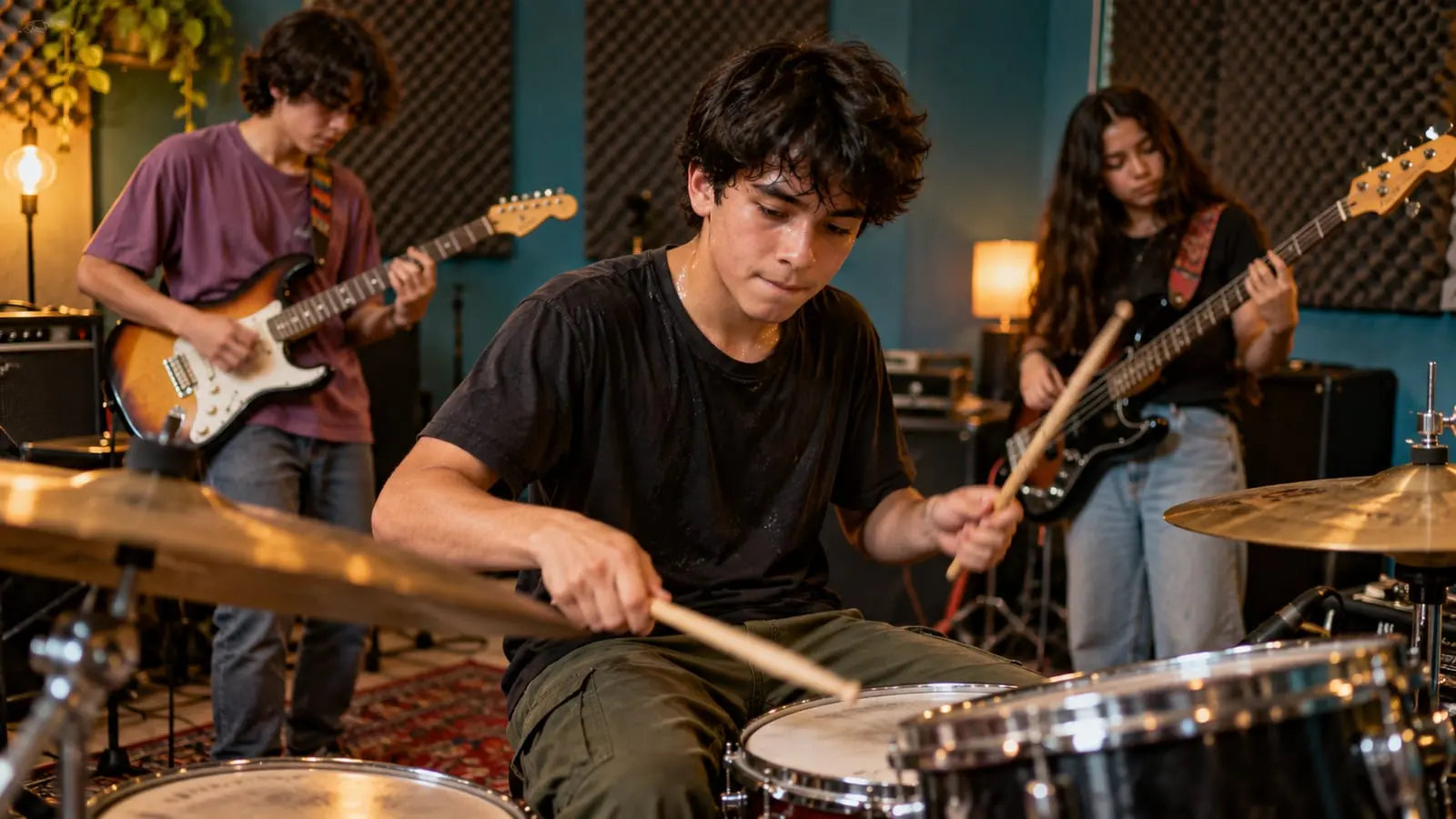
Benefits of playing drums and percussion
Drummers and percussionists are the engine of any band. Here's what they train, where to play in Colombia and what challenges to consider.
Read article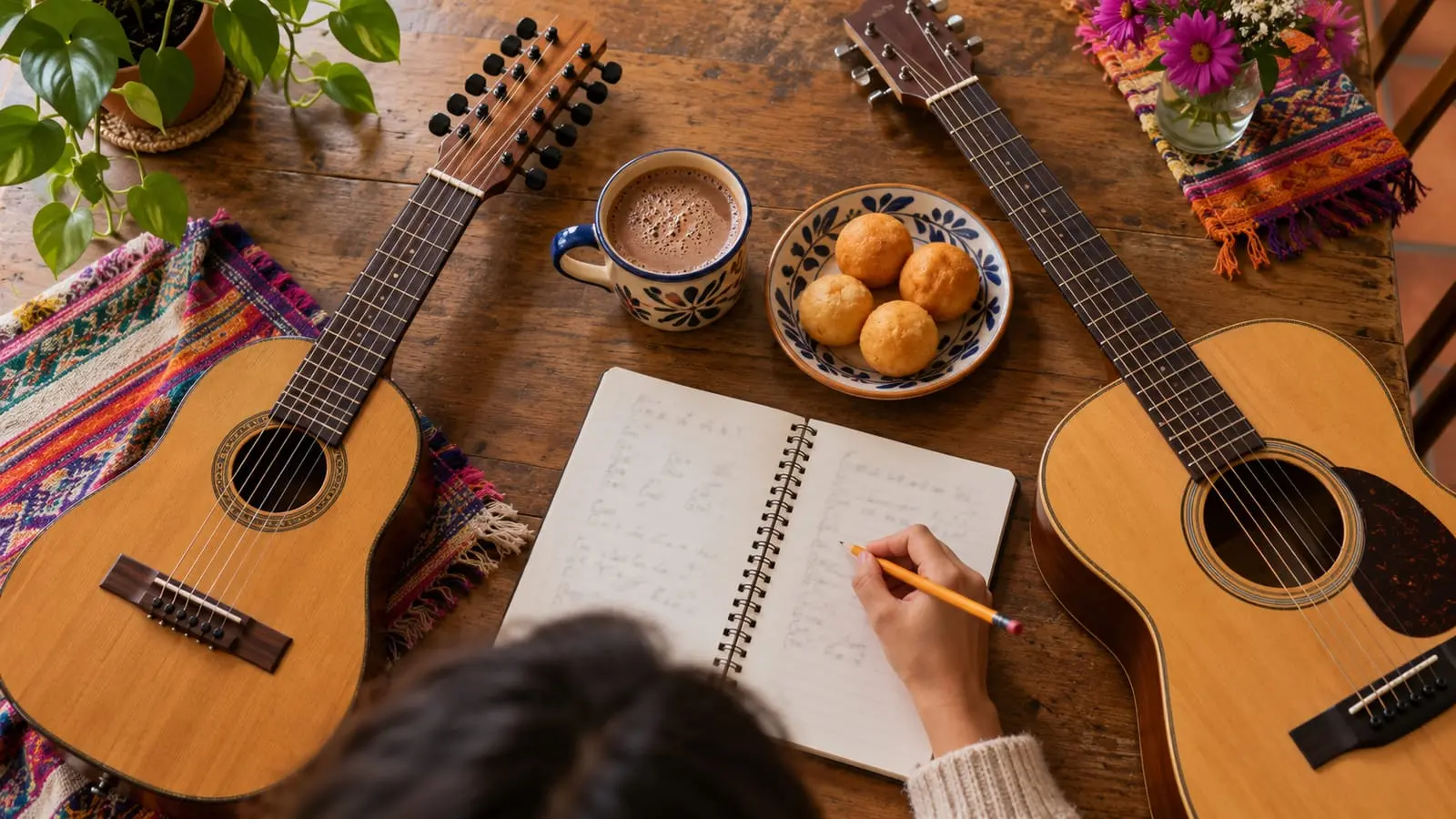
Colombian songs to learn on tiple or guitar
From La cucharita to La gata golosa: an Andean repertoire for tiple and guitar ordered by difficulty, with what each piece teaches you.
Read article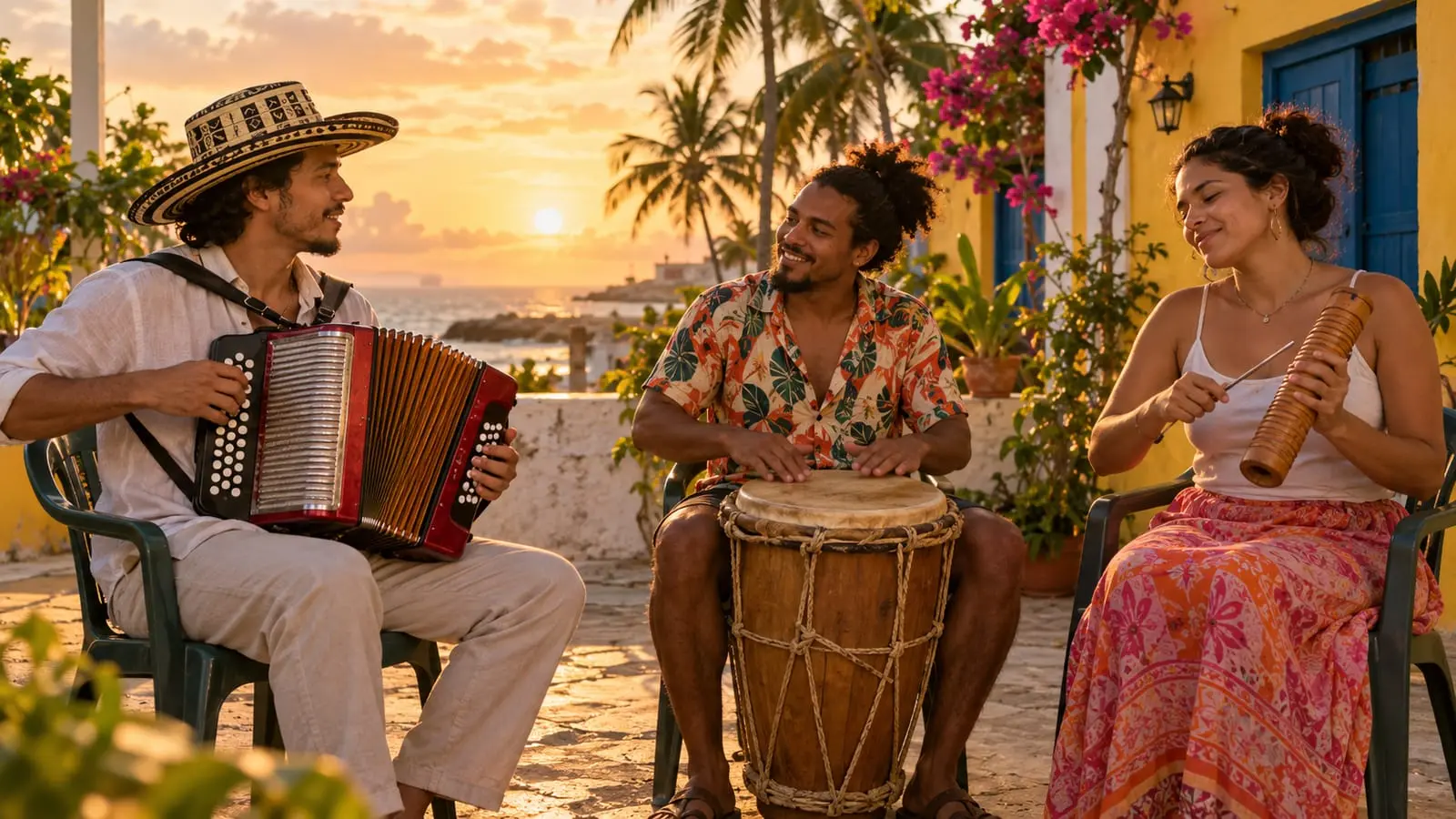
Instruments of Colombian Caribbean music: cumbia, porro and vallenato
Which instruments you hear in cumbia, porro and vallenato, the role each one plays and which ones you can study with a teacher if Colombian Caribbean music moves you.
Read article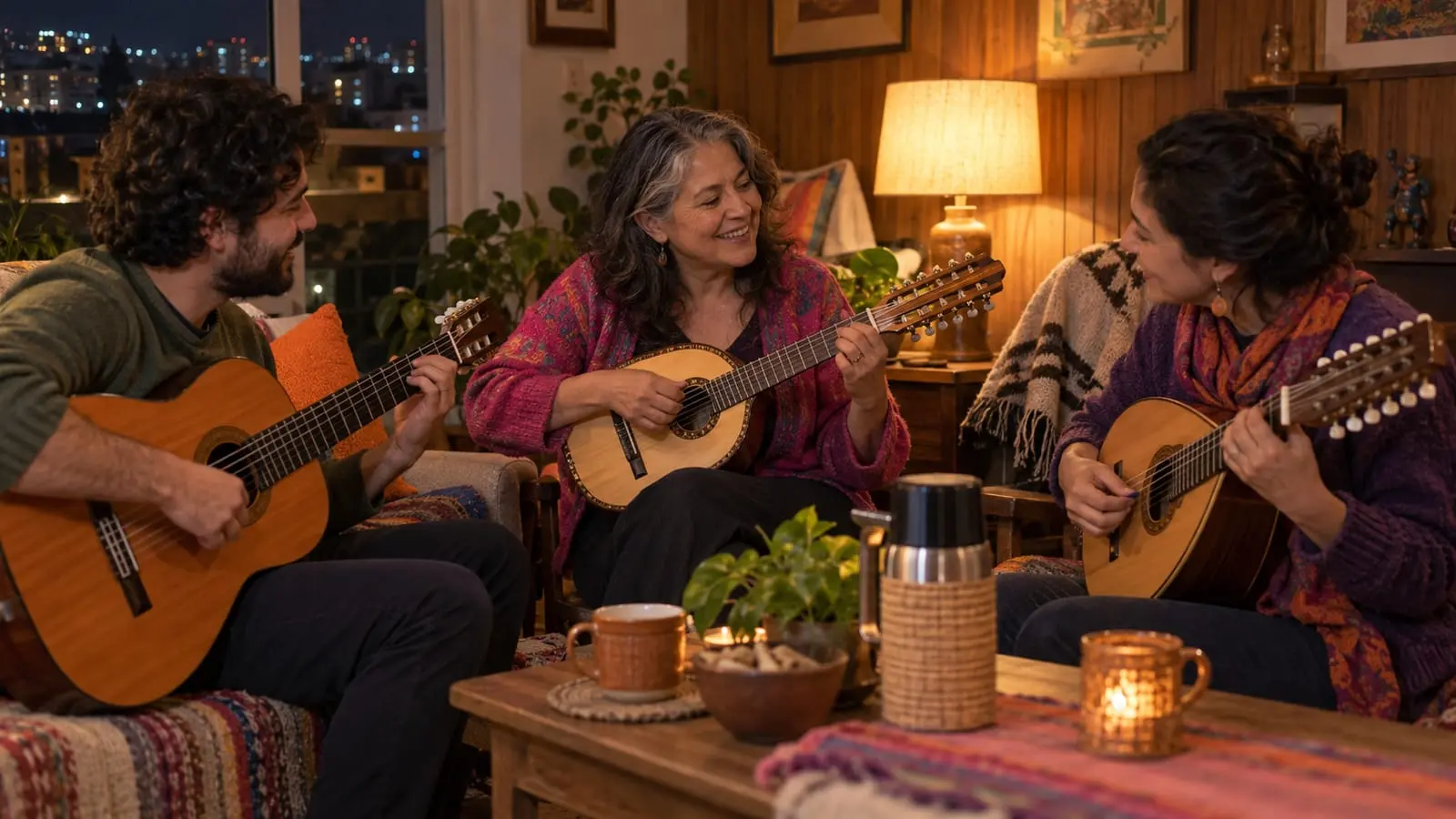
Colombian Andean music: a beginner's guide to playing it
Bandola, tiple or guitar: choose your role in the trio, learn the pasillo first and listen a lot. A practical guide to start playing Colombian Andean music.
Read article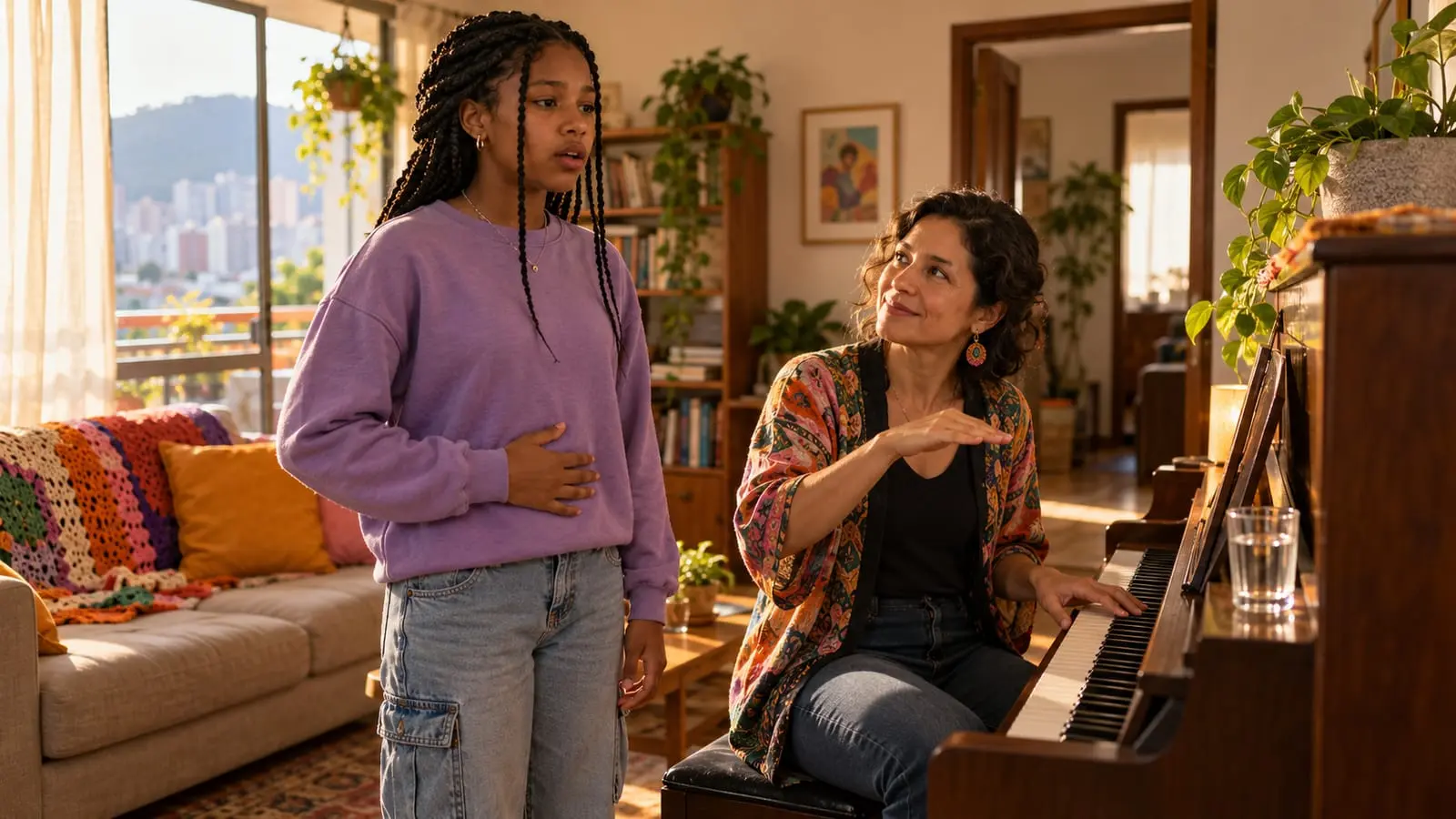
Your first singing lessons: what to expect and how to prepare
Breathing, support, warm-ups and vocal range: this is what you'll work on in your first singing lessons, and why you don't need to “have a good voice” to start.
Read article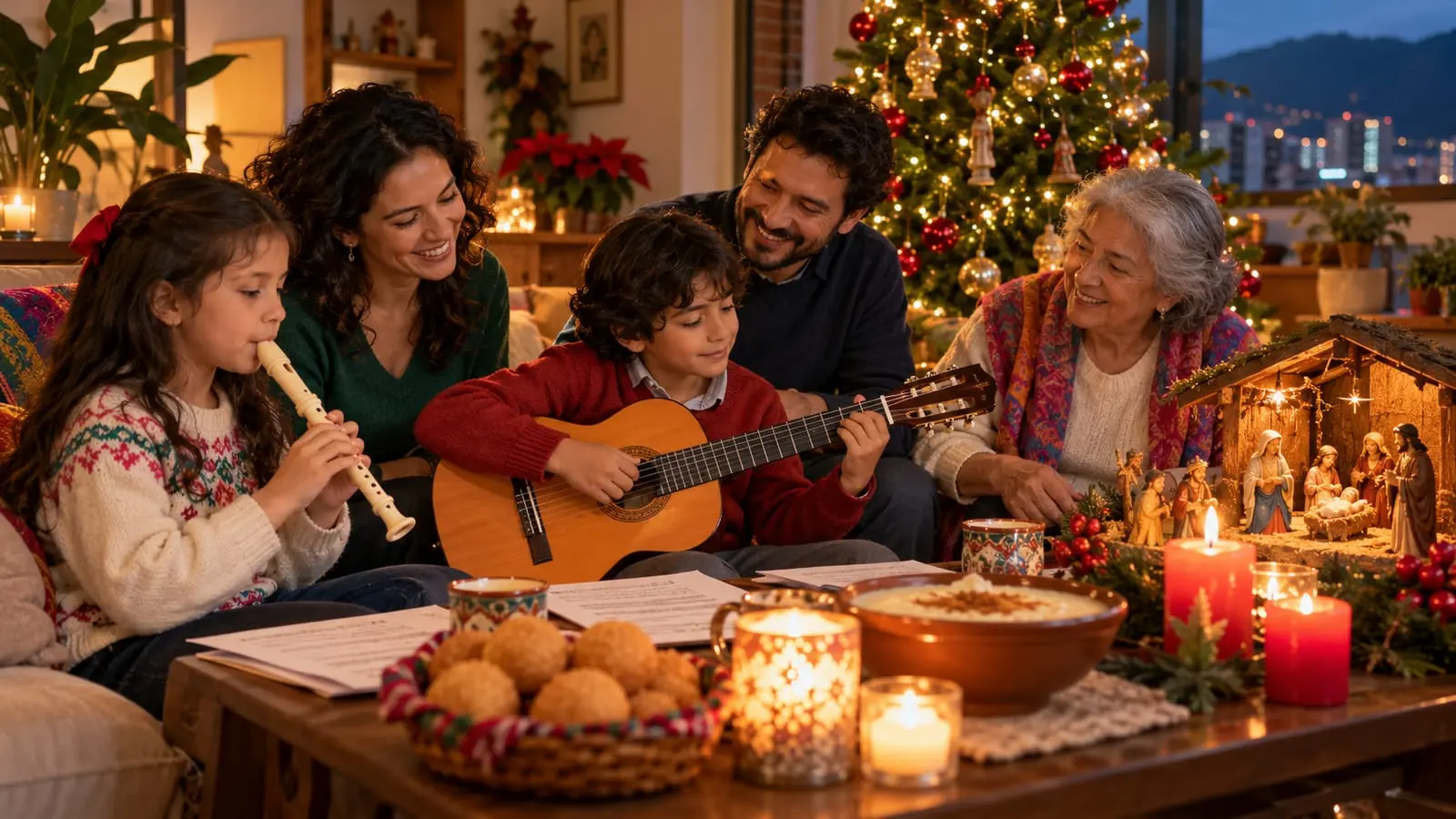
Easy Christmas carols to learn to play
Tutaina, Los peces en el río or Silent Night: simple carols for playing at the novena on recorder, guitar, tiple or piano, without complications.
Read article
Prefer to learn with a teacher?
Online or in-home lessons in Bogotá, for all ages, with vetted teachers.