
Music blog: guides to learning, teaching and choosing an instrument
Clear music guides for families, students of every age and academies: from the first lesson to the admission test.
Essential guides
The articles we recommend starting with.
 Learning music
At what age should you start learning music?
There's no single right age to start. We explain what to expect at each stage, from early music education to adulthood, and the suggested starting age for each instrument.
Read article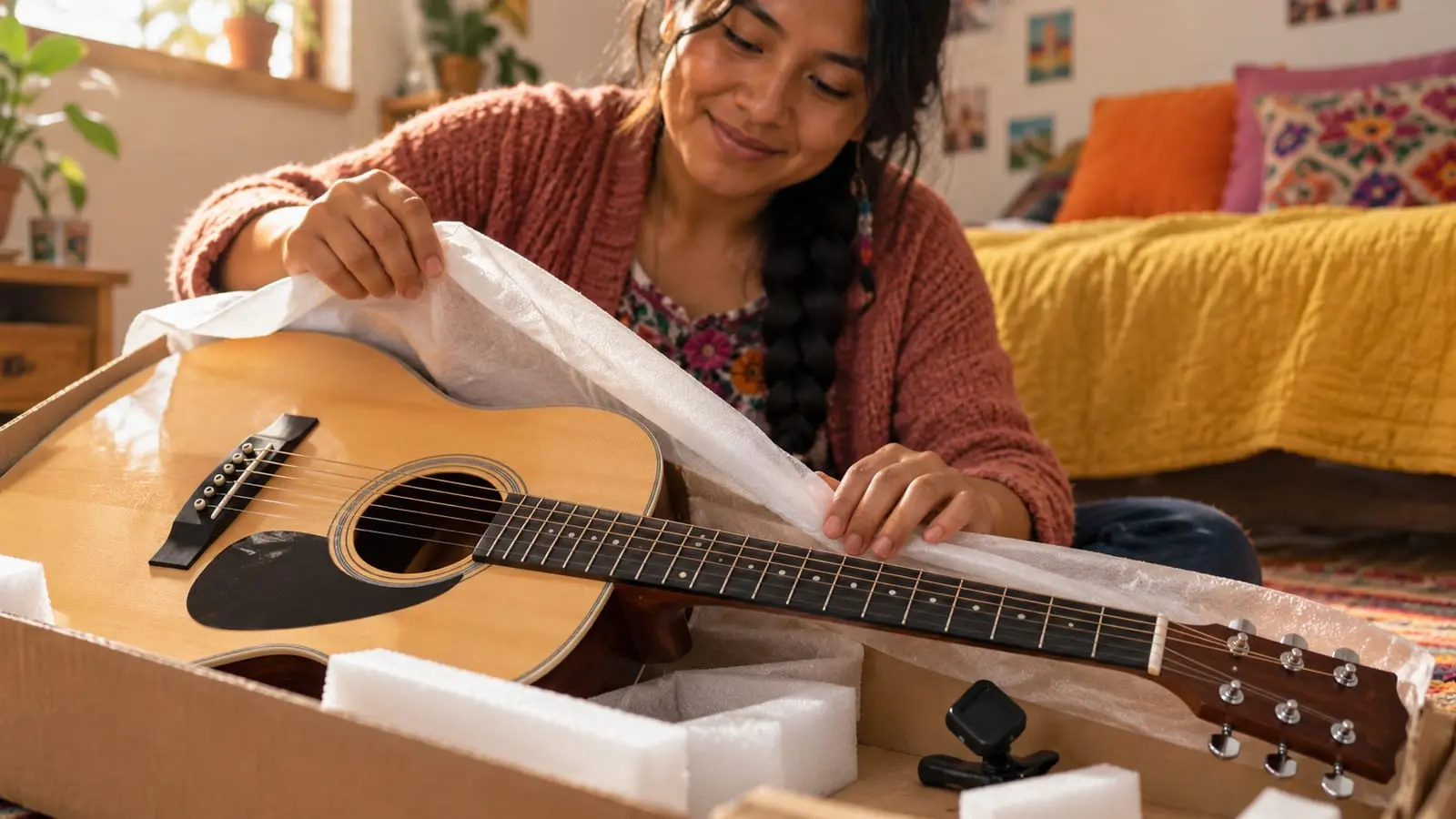 Learning music
How to learn music from scratch: where to start
You don't need prior talent or to know how to read sheet music. You need an instrument that motivates you, rhythm and ear training from day one, and a short but consistent routine.
Read article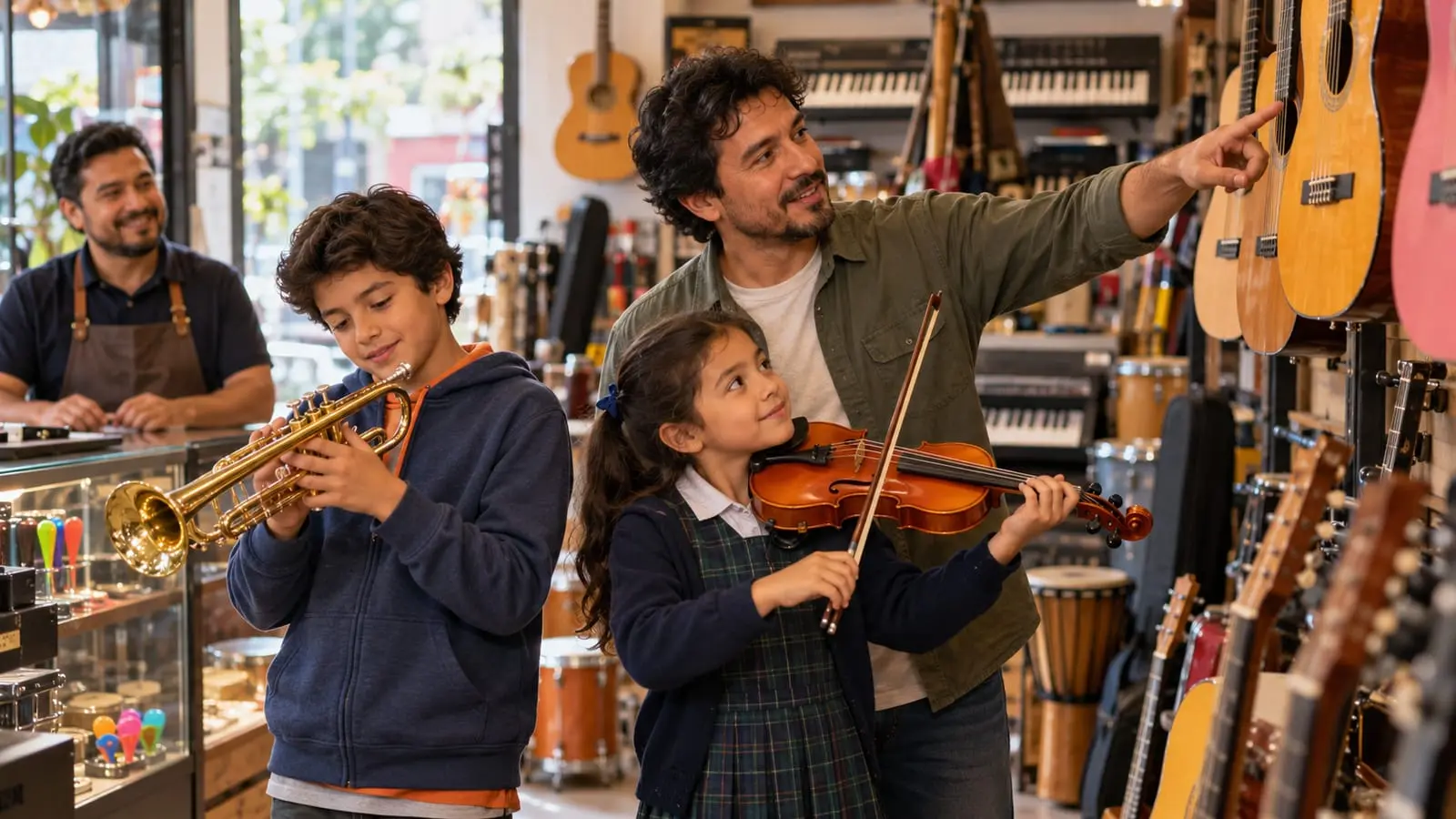 Music for kids
What instrument should my child learn? A guide by age and interests
Choosing your child's first instrument is easier if you weigh four factors together: age, interests, personality and home logistics. And if they try it before you buy.
Read article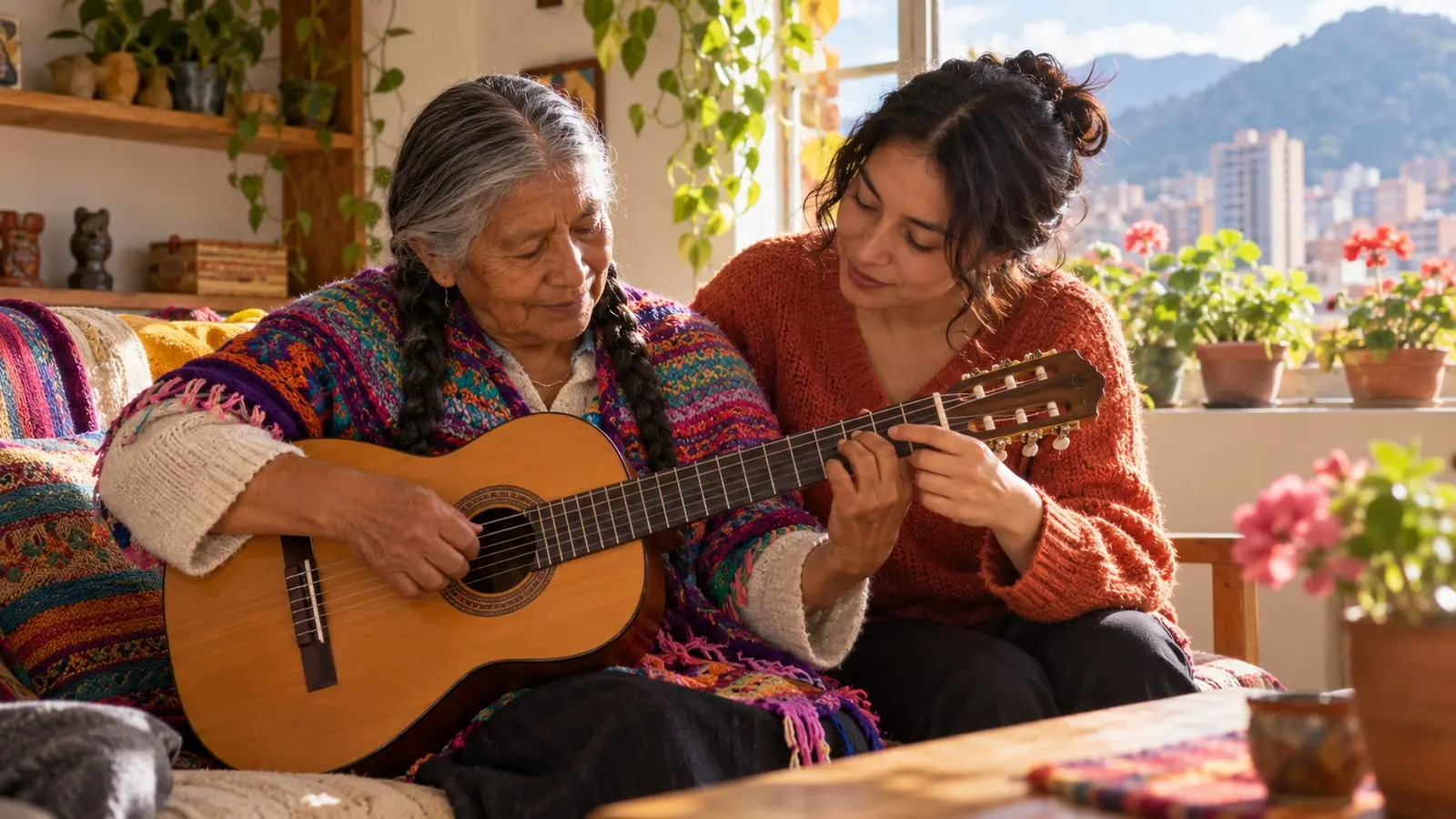 Adults and seniors
Learning music as a senior: it's never too late
Taking up an instrument or singing after 60 is possible and very enjoyable. Here's what to expect and how lessons adapt to your pace, your hands, your eyesight and your hearing.
Read article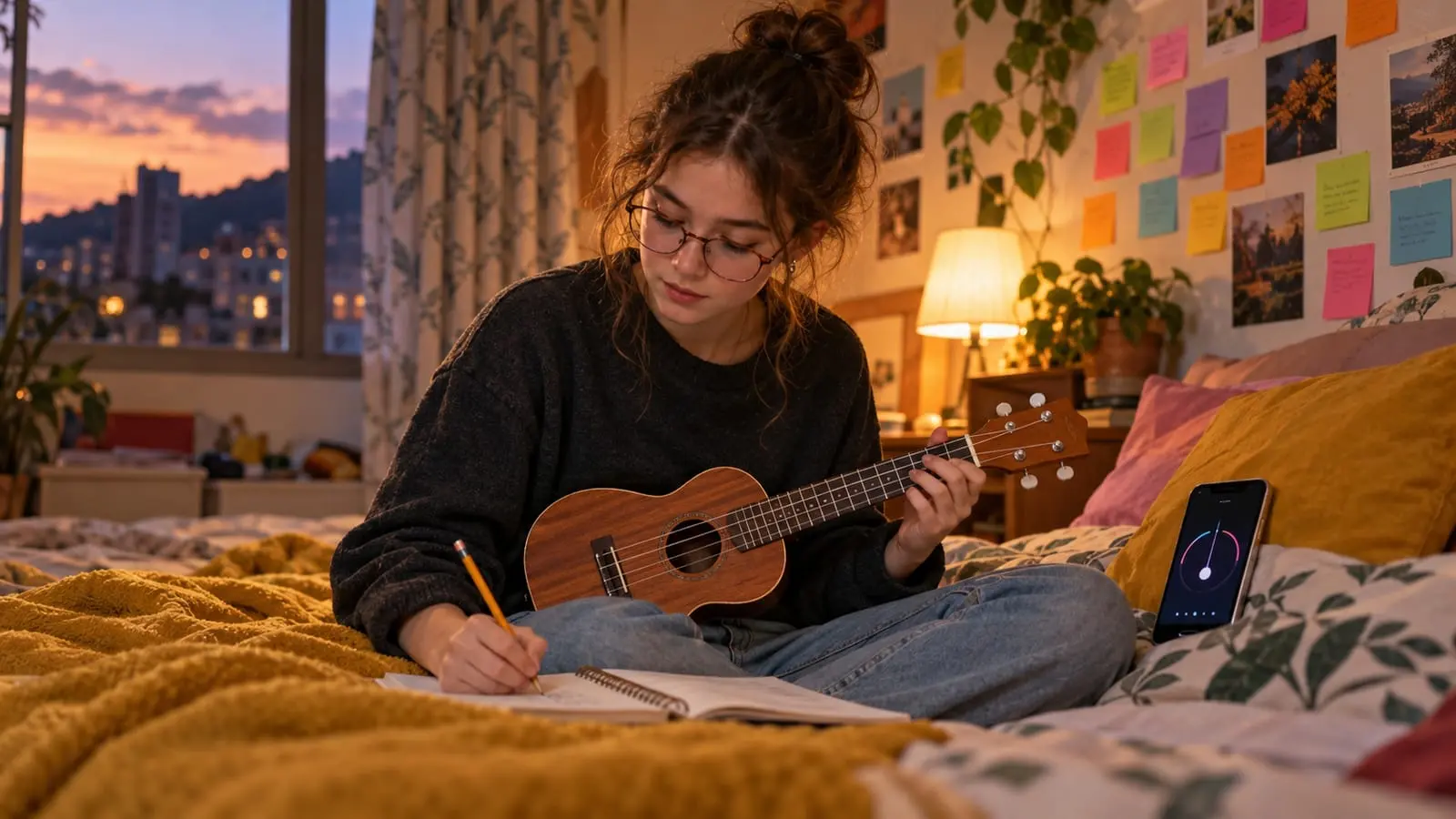 Studying music
How do you prepare for a music entrance exam?
Music entrance tests combine theory, ear training, reading and instrument, and each university weighs them differently. This guide gives you the full map and a 6-to-12-month plan.
Read article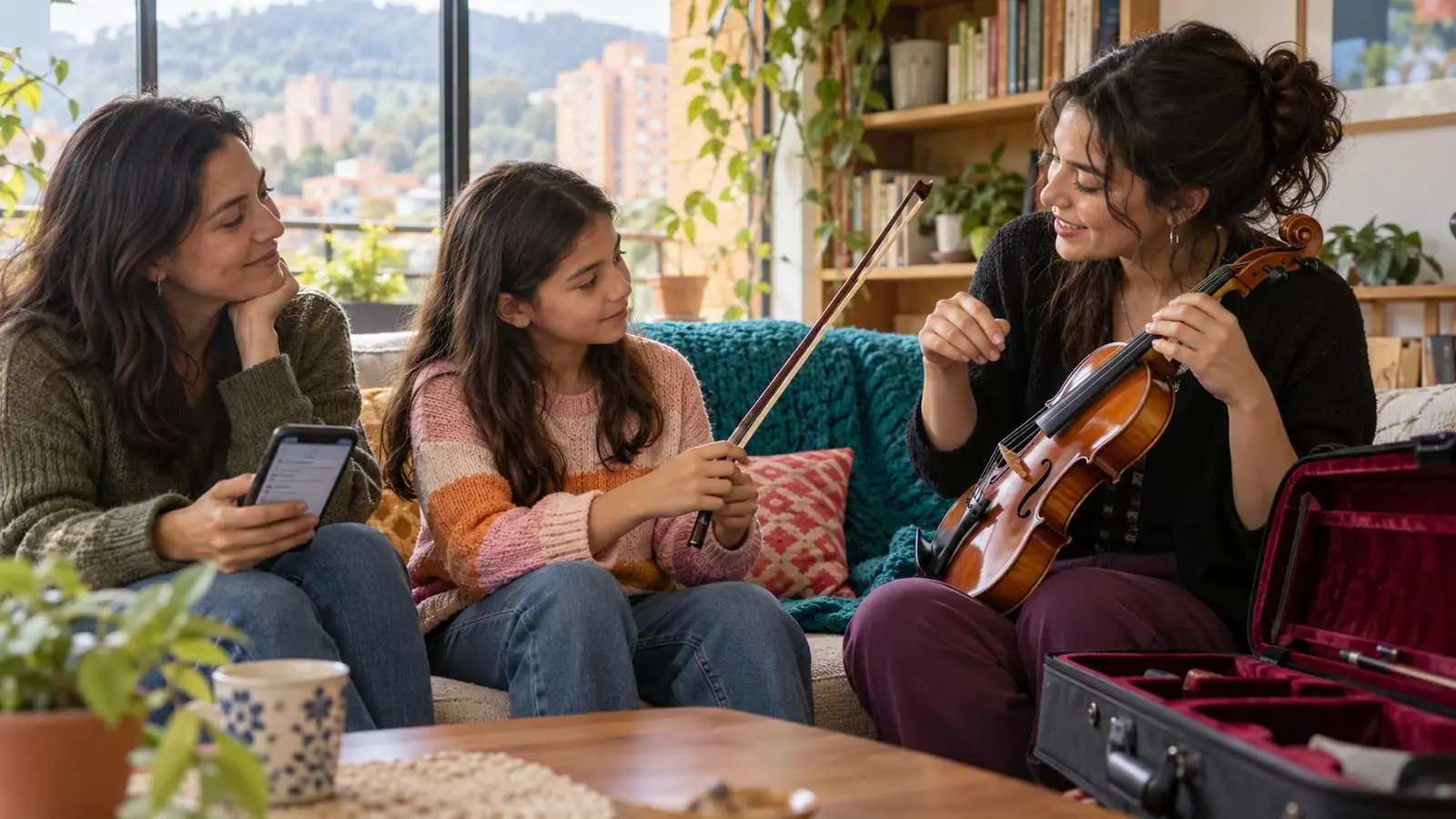 Learning music
How to choose a music teacher: 10 questions to ask before you start
A good teacher has mastered their instrument, knows how to teach it and adapts the lesson to the person in front of them. These 10 questions help you tell whether yours does.
Read article
Learning music
How to start from scratch, practice better and choose between online, in-home or hybrid lessons.
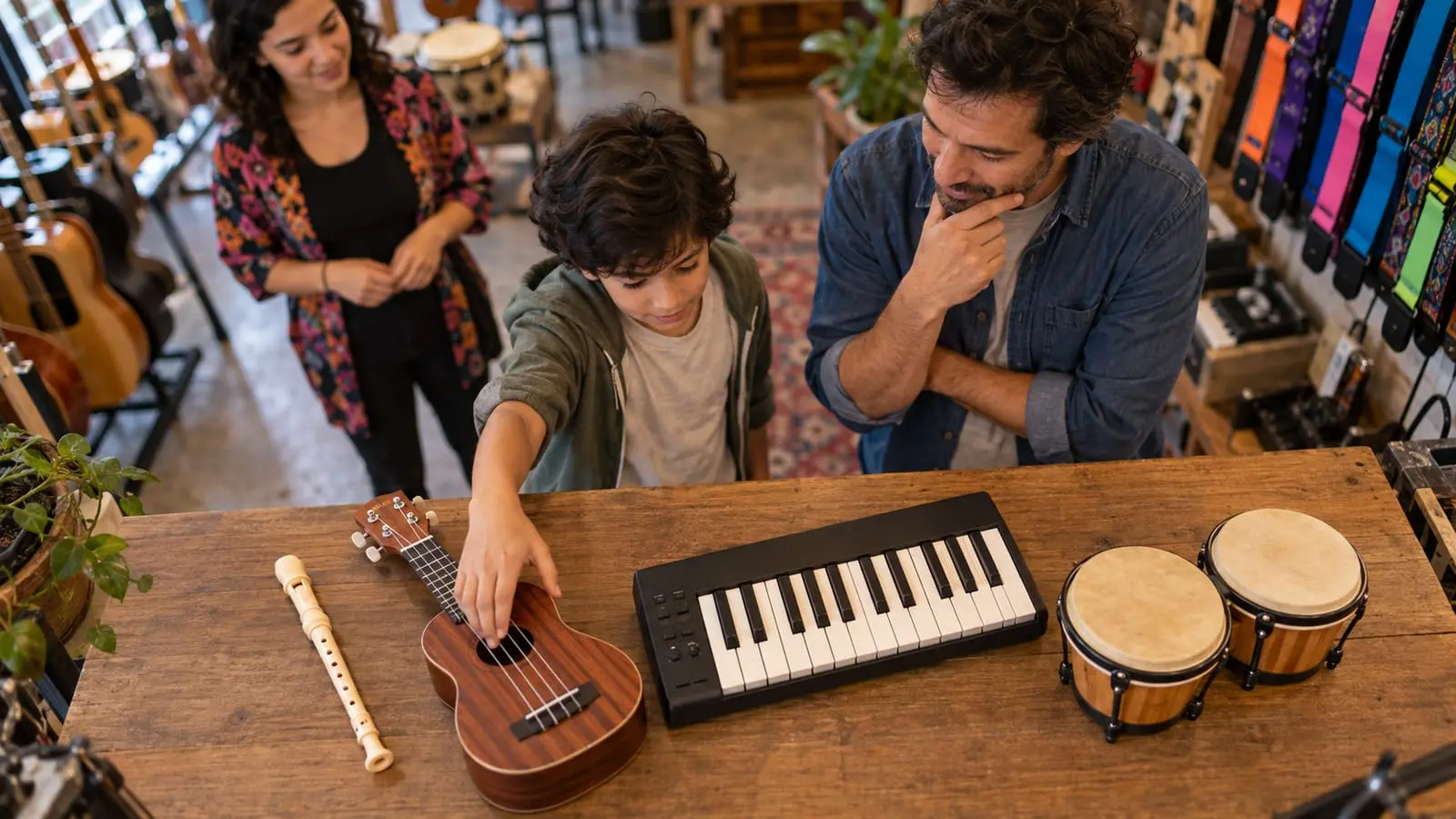
What is the easiest instrument to learn? Easy to start vs. easy to master
Piano, recorder, and percussion get you playing quickly; guitar and tiple require building calluses; violin takes patience. A comparison chart and a checklist to help you decide.
Read article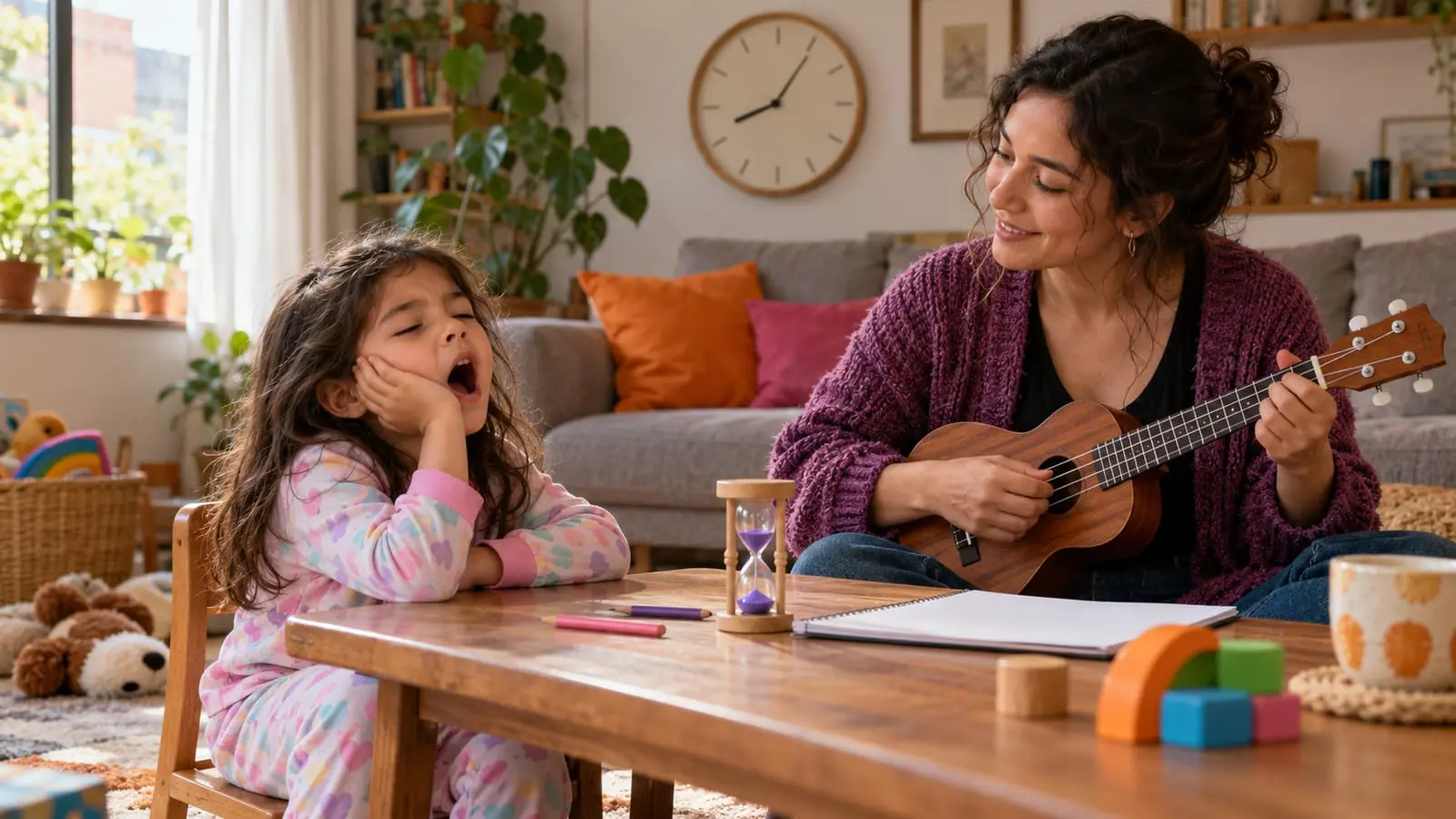
How long should a music lesson last, and how many lessons a week should you take?
A music lesson usually lasts between 30 and 60 minutes and takes place once a week. Here is a chart by age, level, and goal, with the reasons behind each lesson length.
Read article
Where can you study music in Bogotá? Free options, cajas de compensación, academies, and private teachers
An honest overview of music study options in Bogotá: free public programs, cajas de compensación, universities, academies, and private lessons, and when each makes sense.
Read article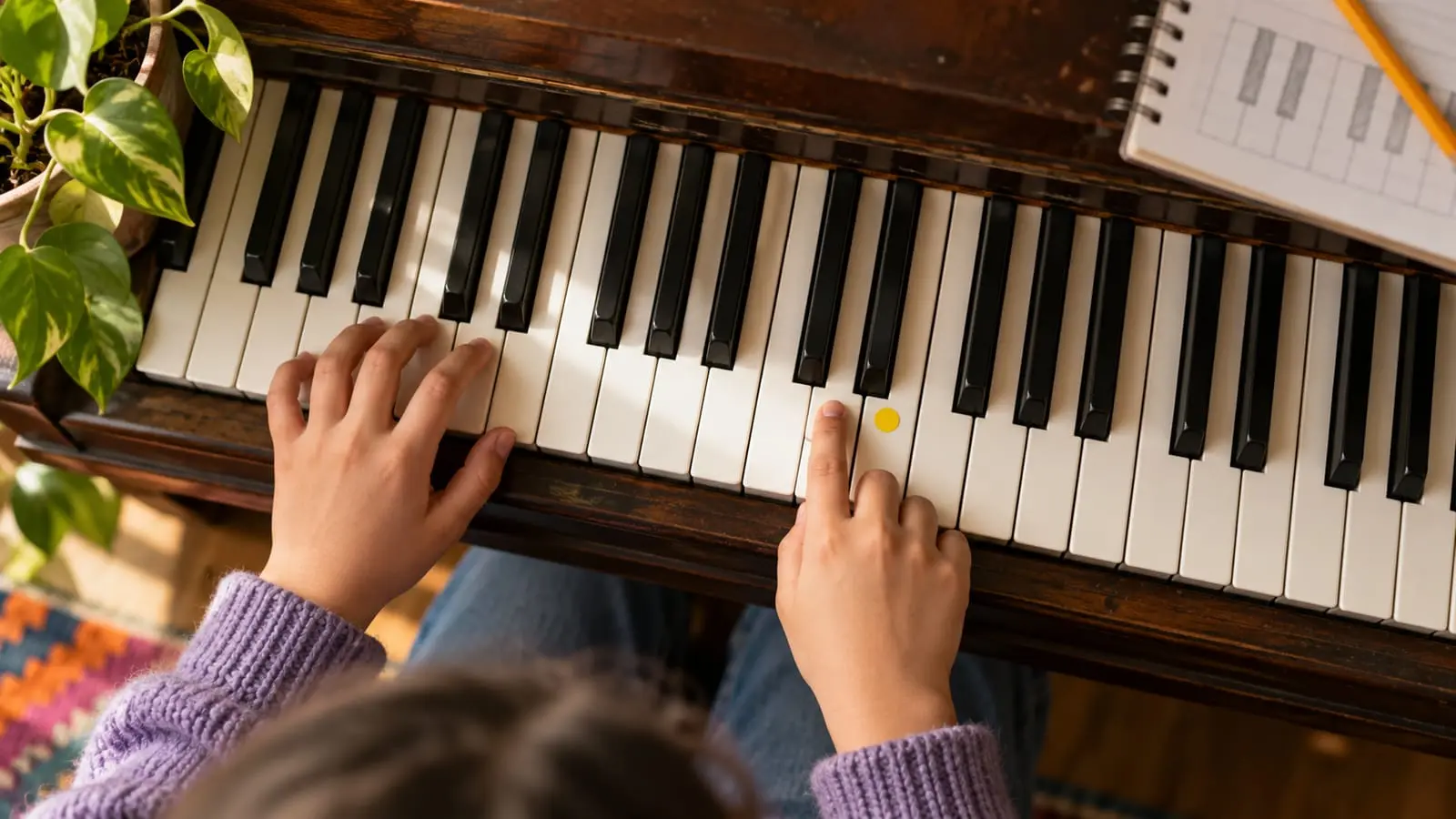
What is a half step (semitone) in music? Whole and half steps explained
A half step is the smallest distance between two notes. Learn to find it on piano and guitar, how many fit into an octave, and how the major scale is built.
Read article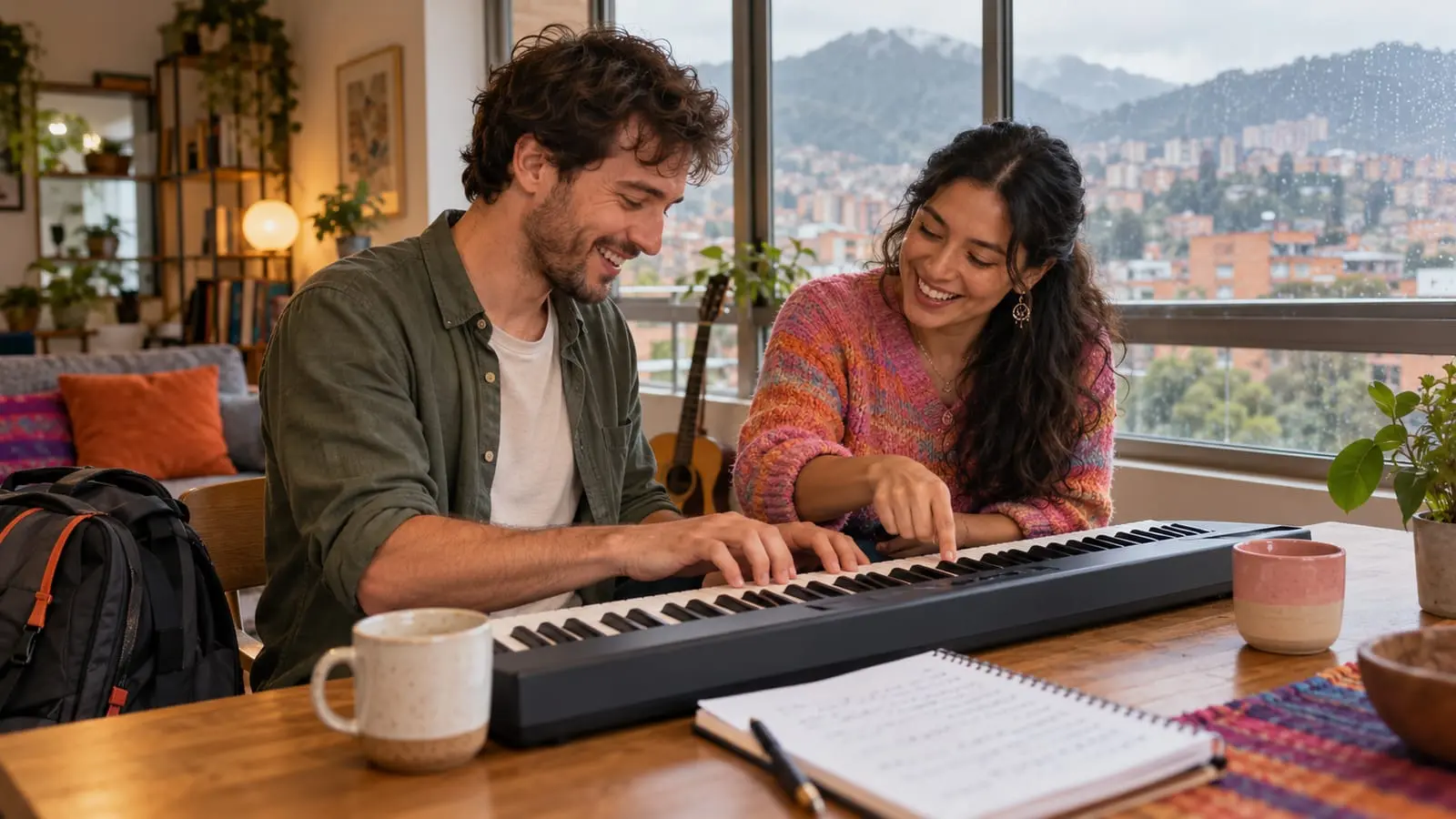
Music lessons in English in Bogotá
Which instruments you can study in English in Bogotá with Gissi, which teachers offer it, what's available for piano and singing, and how lessons in Spanish work for someone learning the language.
Read article
Treble clef: how to read notes on the staff
Lines E-G-B-D-F, spaces F-A-C-E, and a few landmark notes to stop counting up from the bottom. Treble clef, step by step, with exercises for each instrument.
Read article
Music for kids
From musical stimulation for babies to teenagers: ages, instruments, practice and motivation.
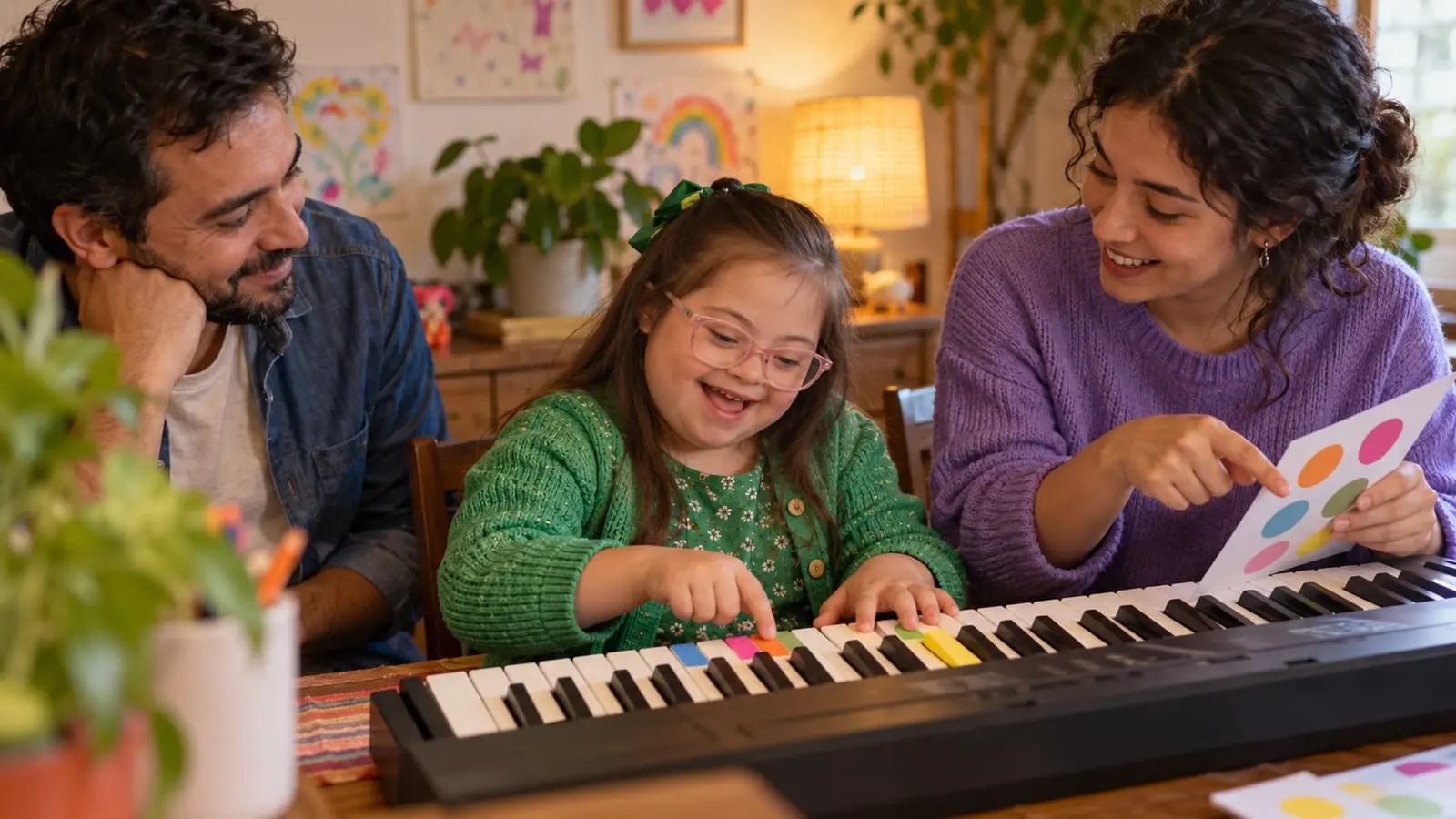
Music lessons for children with Down syndrome: how to choose and what to expect
How to choose an instrument, what routines work, which visual supports to use, and how to work with families and therapists, without making promises music can't keep.
Read article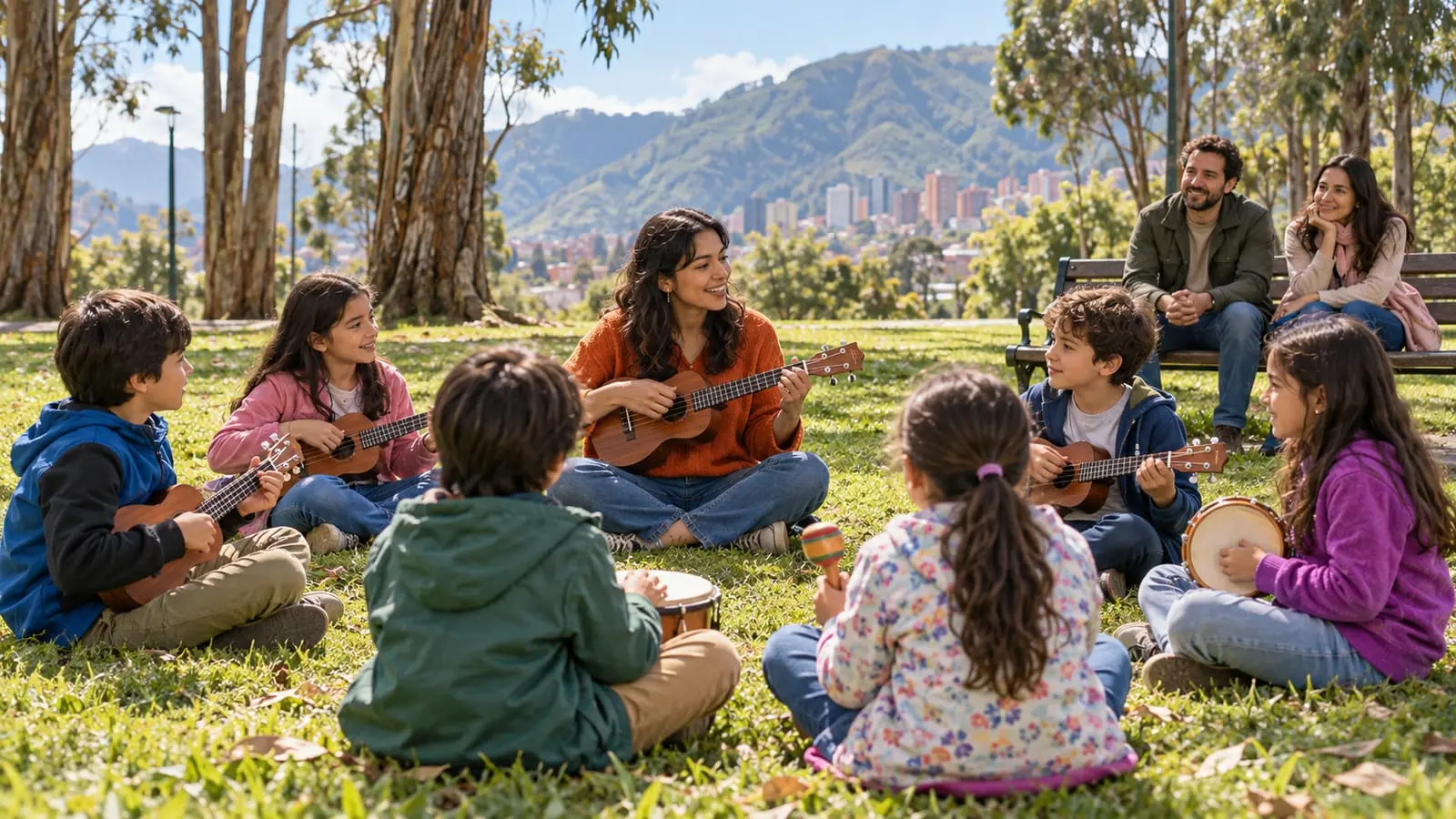
School-break music courses in Bogotá: making the most of December and the midyear break
School breaks are the best time to start an instrument or make faster progress. We explain how to organize private lessons at home or online and what you can achieve in 4 to 6 weeks.
Read article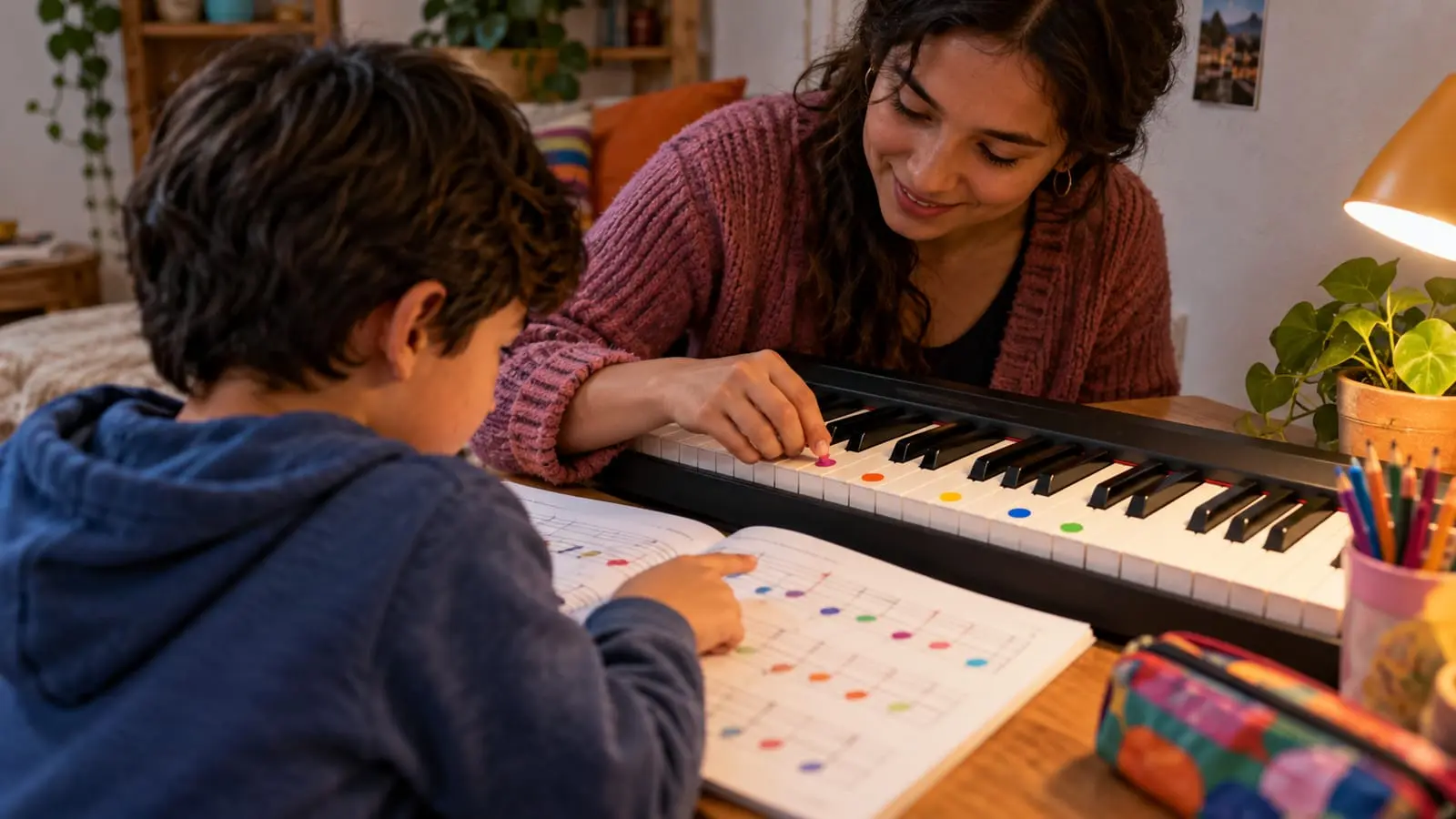
Dyslexia and music: can a child with dyslexia learn to read sheet music?
Reading notation may be harder, but playing, listening to, and enjoying music are still possible. Practical strategies for families and teachers, without medical promises.
Read article
An in-home private teacher: how to screen them and what rules to agree on
Which certificates to request from the Policía, Procuraduría, and Contraloría, what a certificate doesn’t tell you, and which house rules make any private lesson safer.
Read articleWhat instrument should my child learn? A guide by age and interests
Choosing your child's first instrument is easier if you weigh four factors together: age, interests, personality and home logistics. And if they try it before you buy.
Read article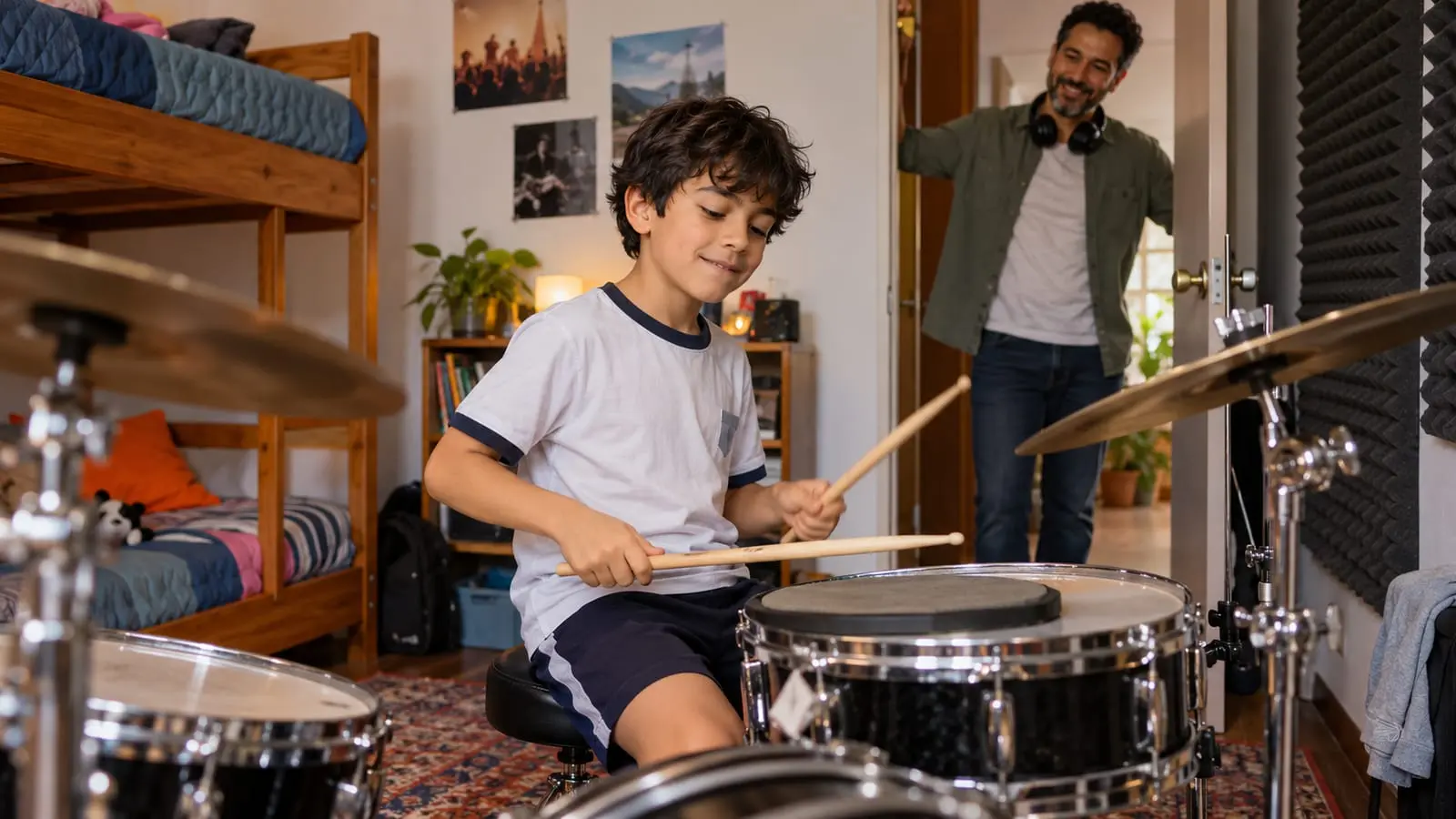
Drums for kids: age, noise and practicing at home
Your child wants to play drums and you live in an apartment. What age to start, what to have at home, how to handle the noise and how to protect their hearing.
Read article
Adults and seniors
It’s never too late: guides for adults, grandparents and families who want to learn music.
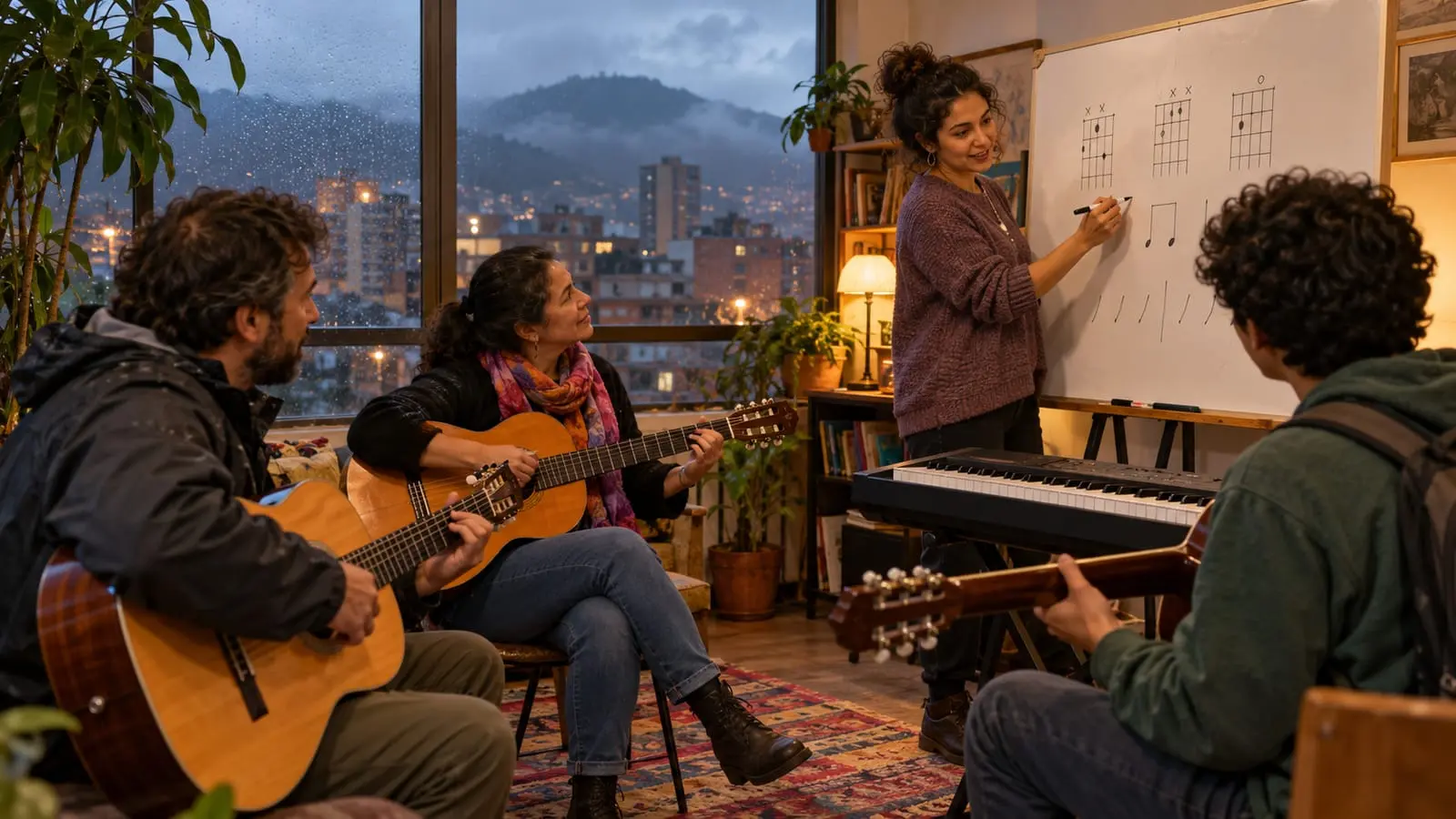
Music lessons for adults in Bogotá: options, schedules, and how to start from scratch
Cajas de compensación, university extension courses, academies, and private lessons: what each offers working adults, plus a 90-day plan to start from scratch.
Read article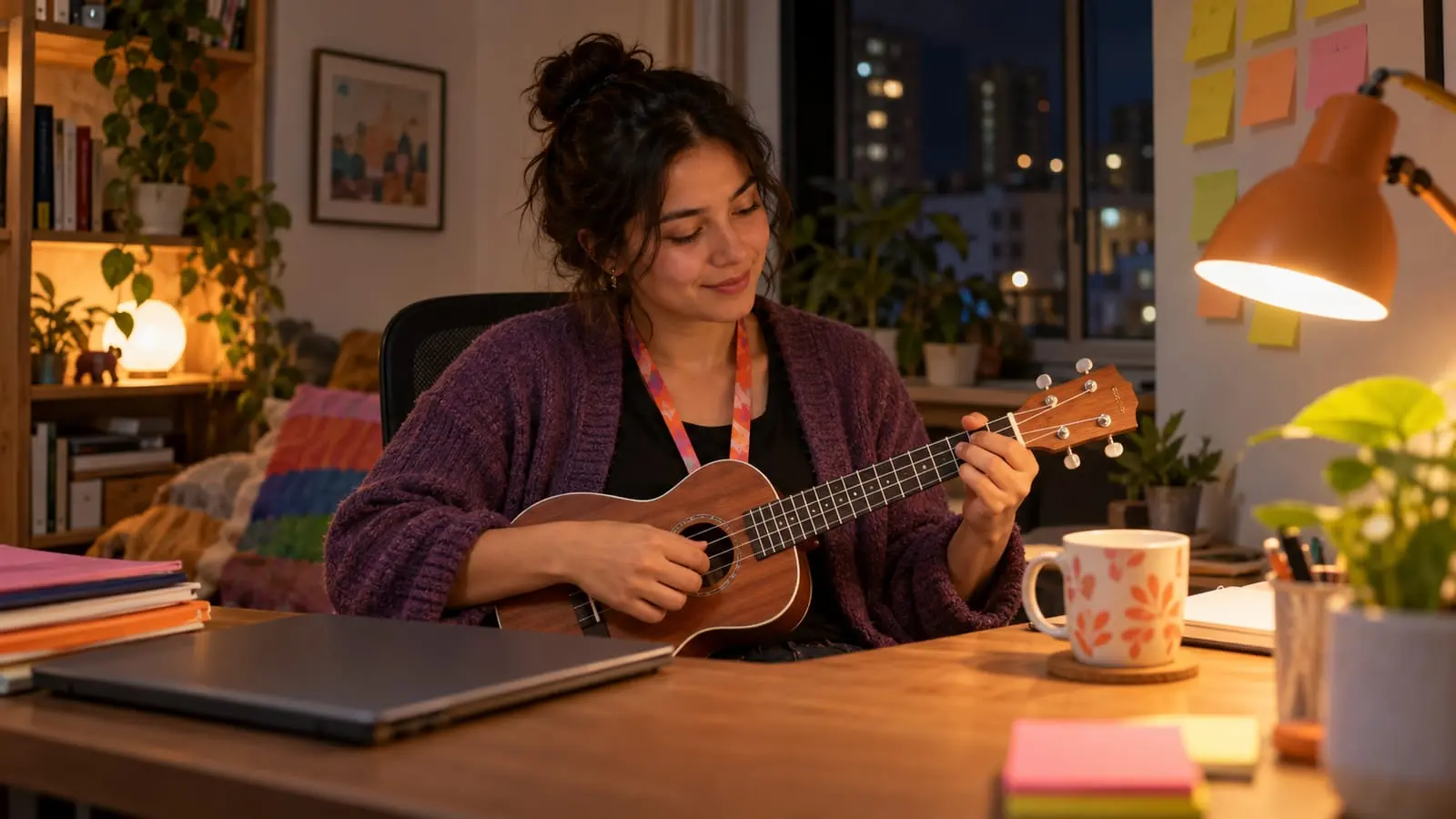
Does learning an instrument help you manage stress?
Many adults find in music a break that no screen gives them. We explain why that happens, how to practice so you can switch off and when to seek professional help.
Read article
Is it too late to learn music at 30, 40 or 50?
The short answer is no. What changes with age is your schedule, not your ability to learn. Here's how to organize your time and set goals that keep you playing.
Read article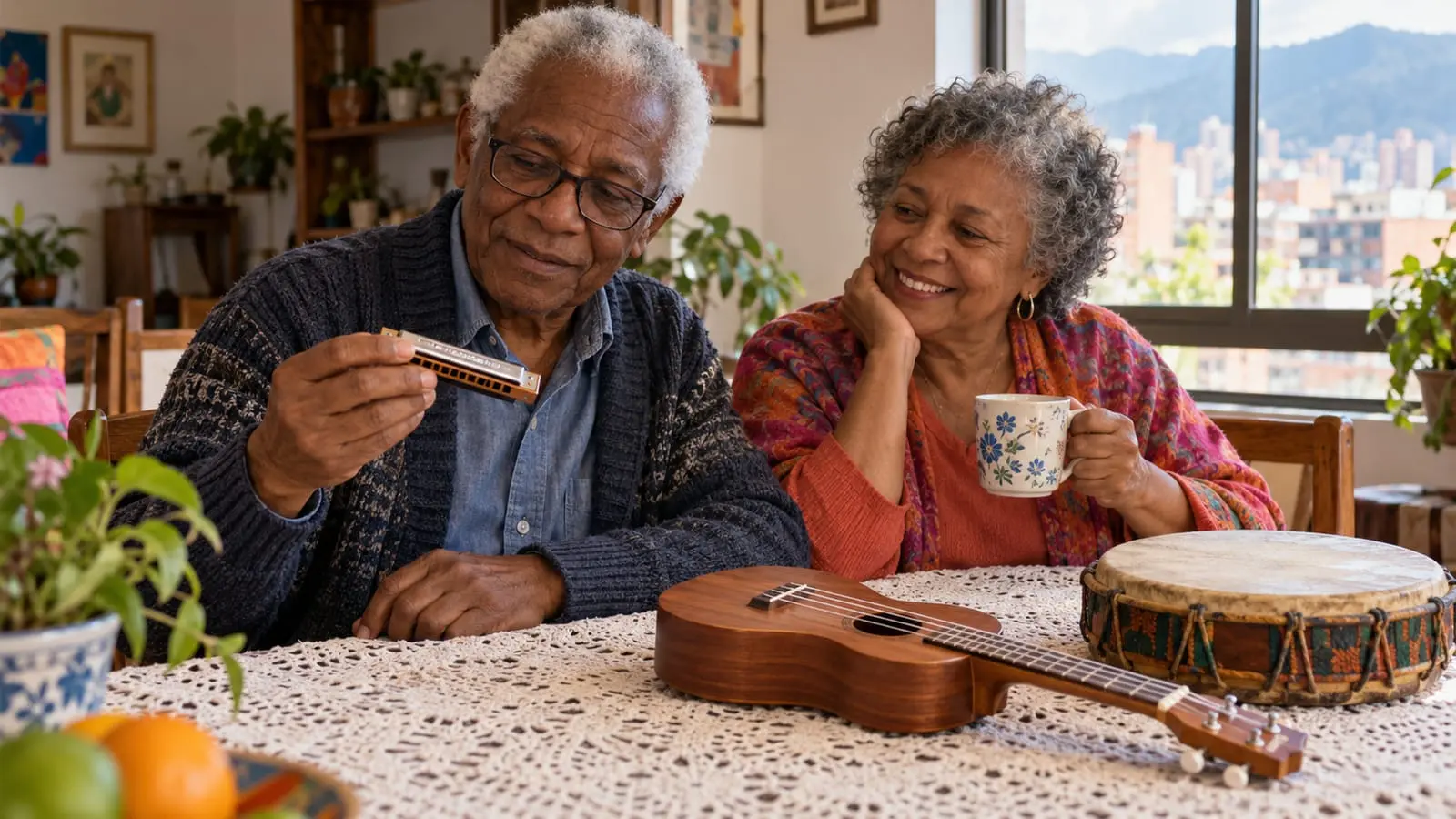
What instrument should you learn after 60?
There's no single ideal instrument for everyone over 60. This comparison helps you choose based on your hands, your back, your hearing and the music you love.
Read article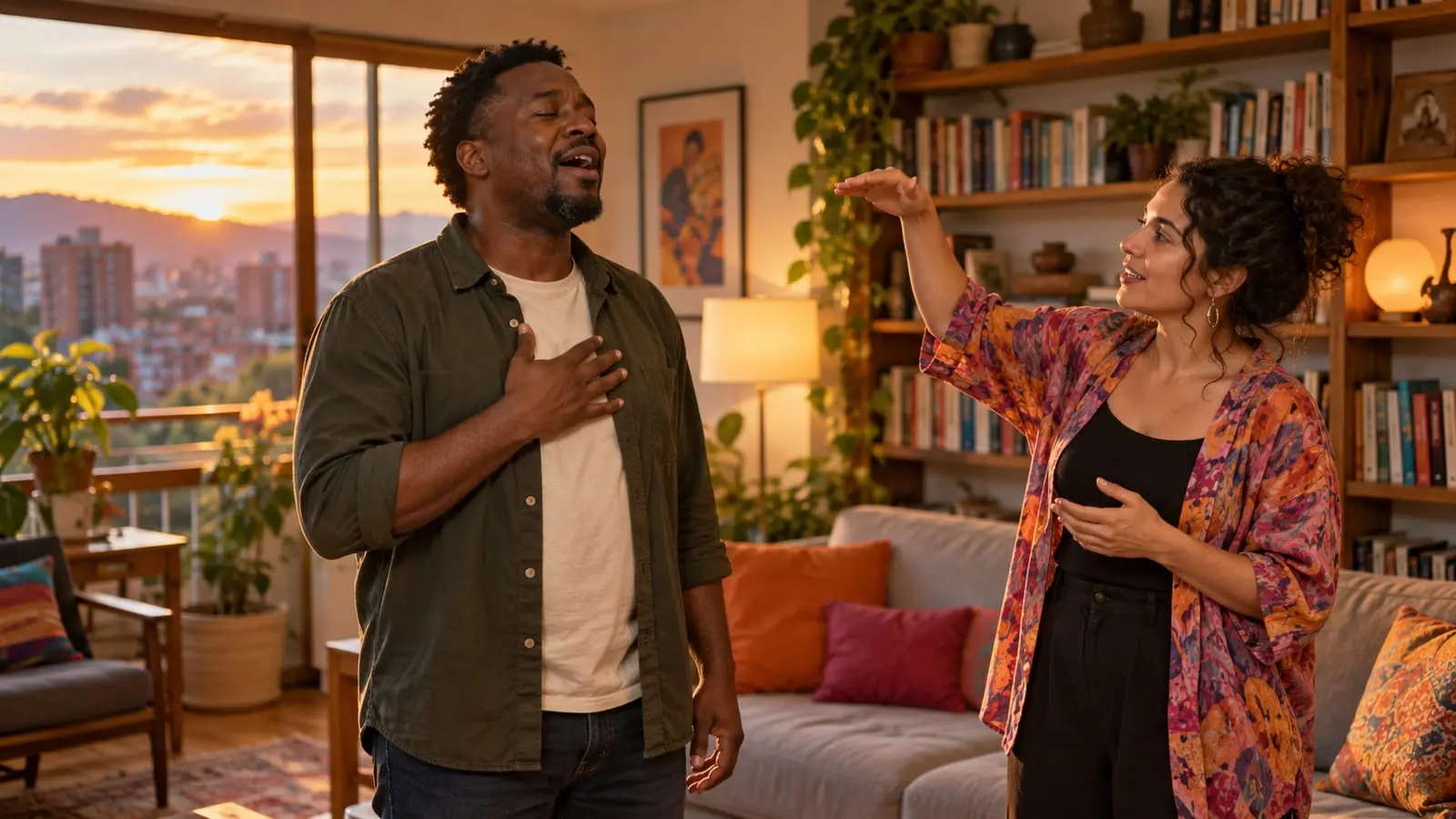
Learning to sing as an adult: from karaoke to the stage
Singing well can be learned, even as an adult. Here's what your voice is like at this age, what you'll work on in lessons and how to build confidence, from your living room to a stage.
Read article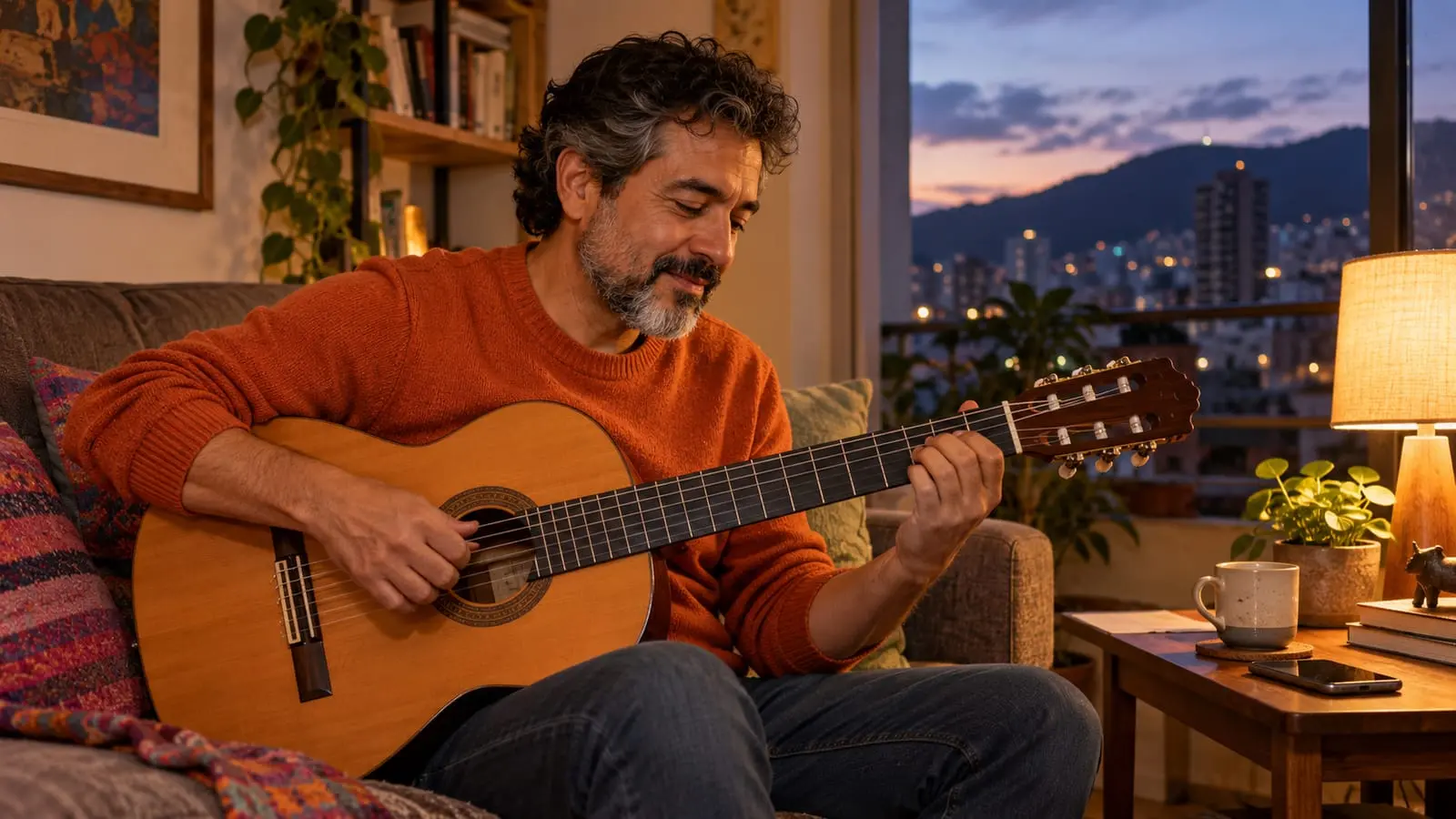
Learning guitar as an adult: from zero to playing your songs
The guitar is the instrument many adults have always meant to learn. Here's how to go from zero to playing your favorite songs, looking after your fingers and practicing a little but often.
Read article
Instruments
Benefits, comparisons and realistic timelines for each instrument, including Colombian music.
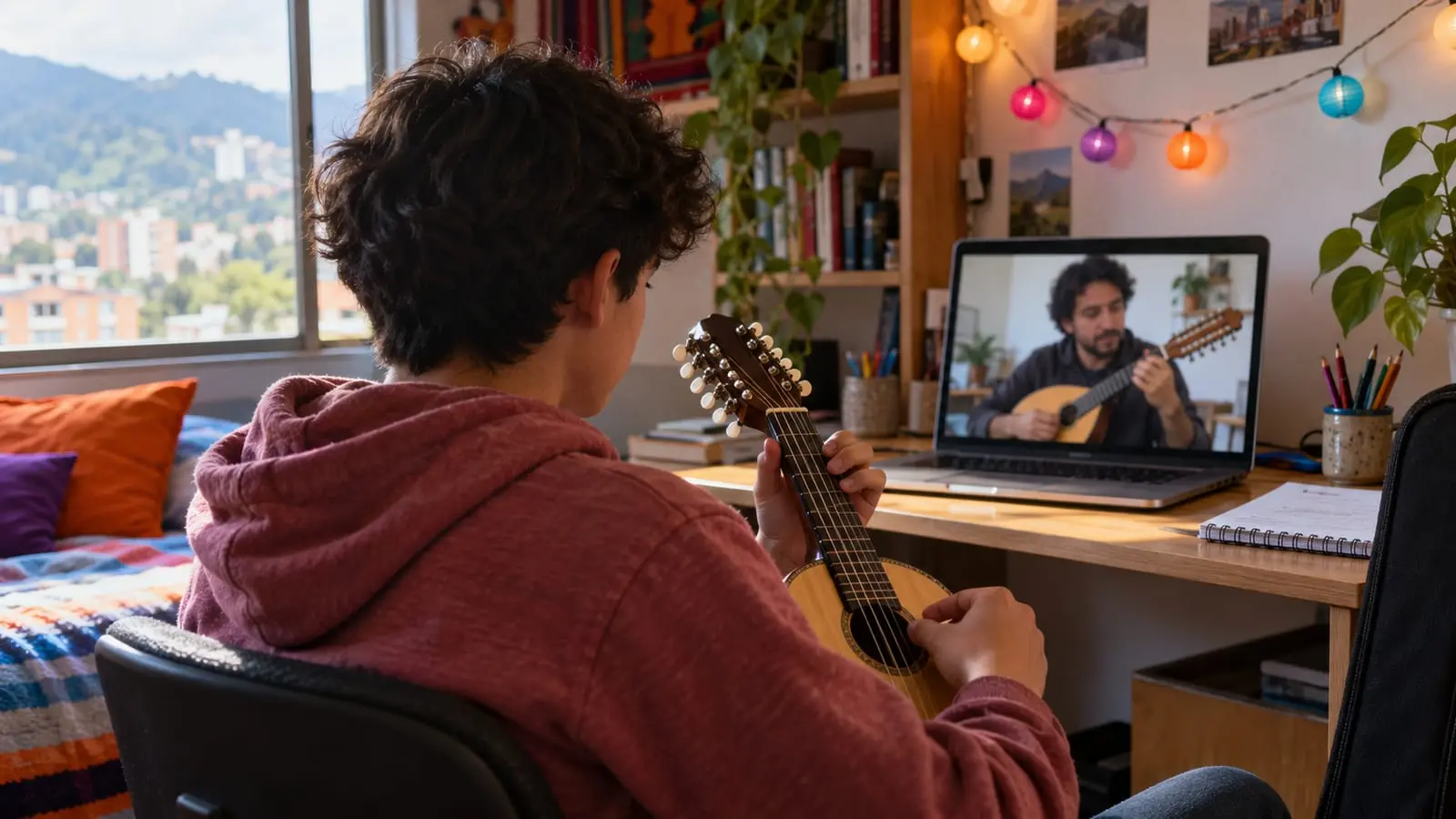
Online tiple and bandola lessons: learn Colombian Andean music from anywhere
You can learn tiple and bandola by video call, from another city or another country. Here's how a lesson works, what equipment you need, and what to practice in the first month.
Read article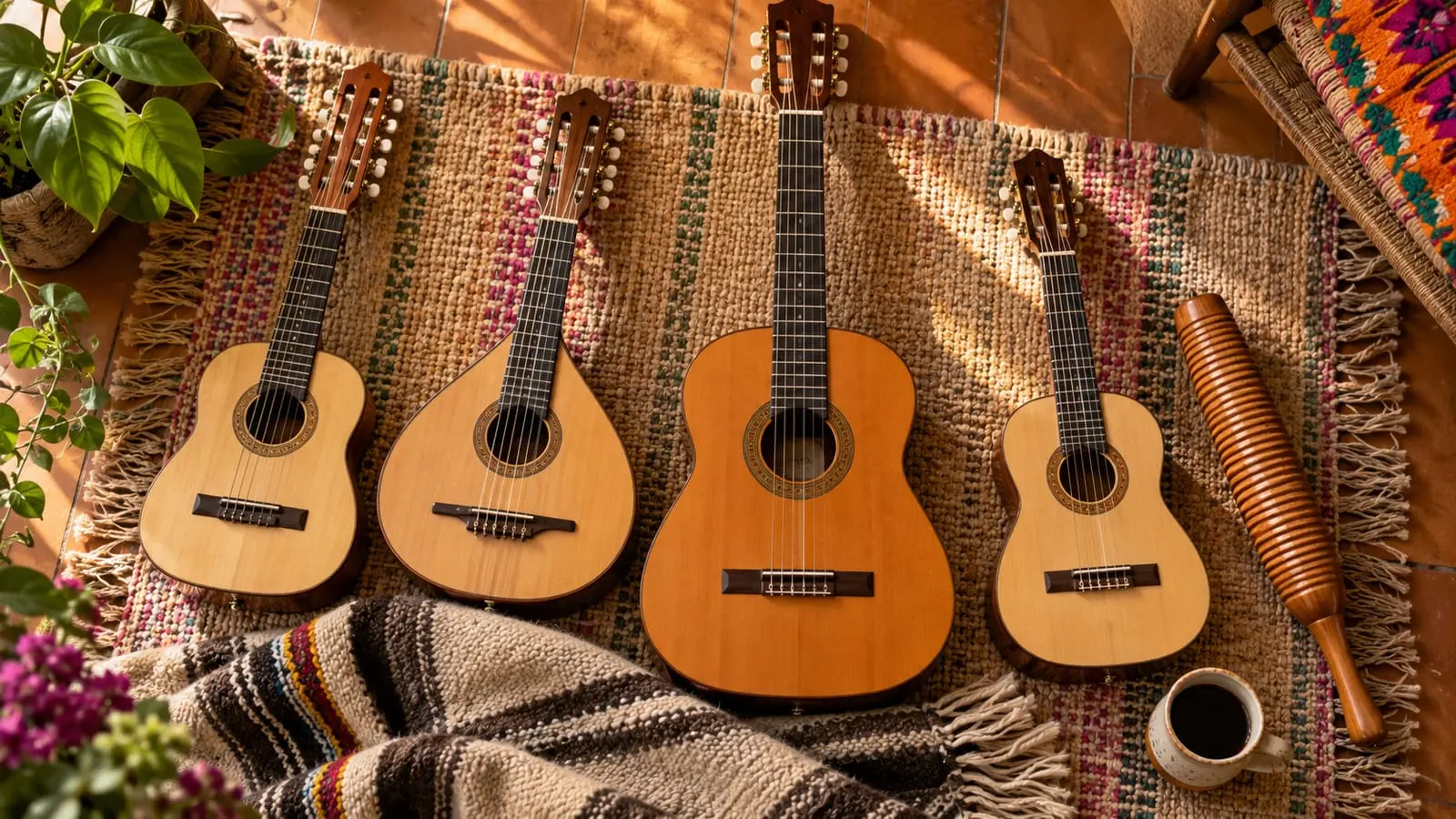
Instruments of Colombia's Andean region: tiple, bandola, guitar, and more
Tiple, Andean bandola, and guitar form the traditional trio; requinto, guacharaca, and other percussion instruments round out Boyacá's rural folk music. A clear guide for school assignments and getting started playing.
Read article
Instruments of Colombia’s Pacific coast: marimba de chonta, cununos, bombos, and guasá
Marimba de chonta, male and female cununos, bombos, guasá, cantaora voices, and northern chirimía: the instruments of Colombia’s Pacific coast and how they sound together.
Read article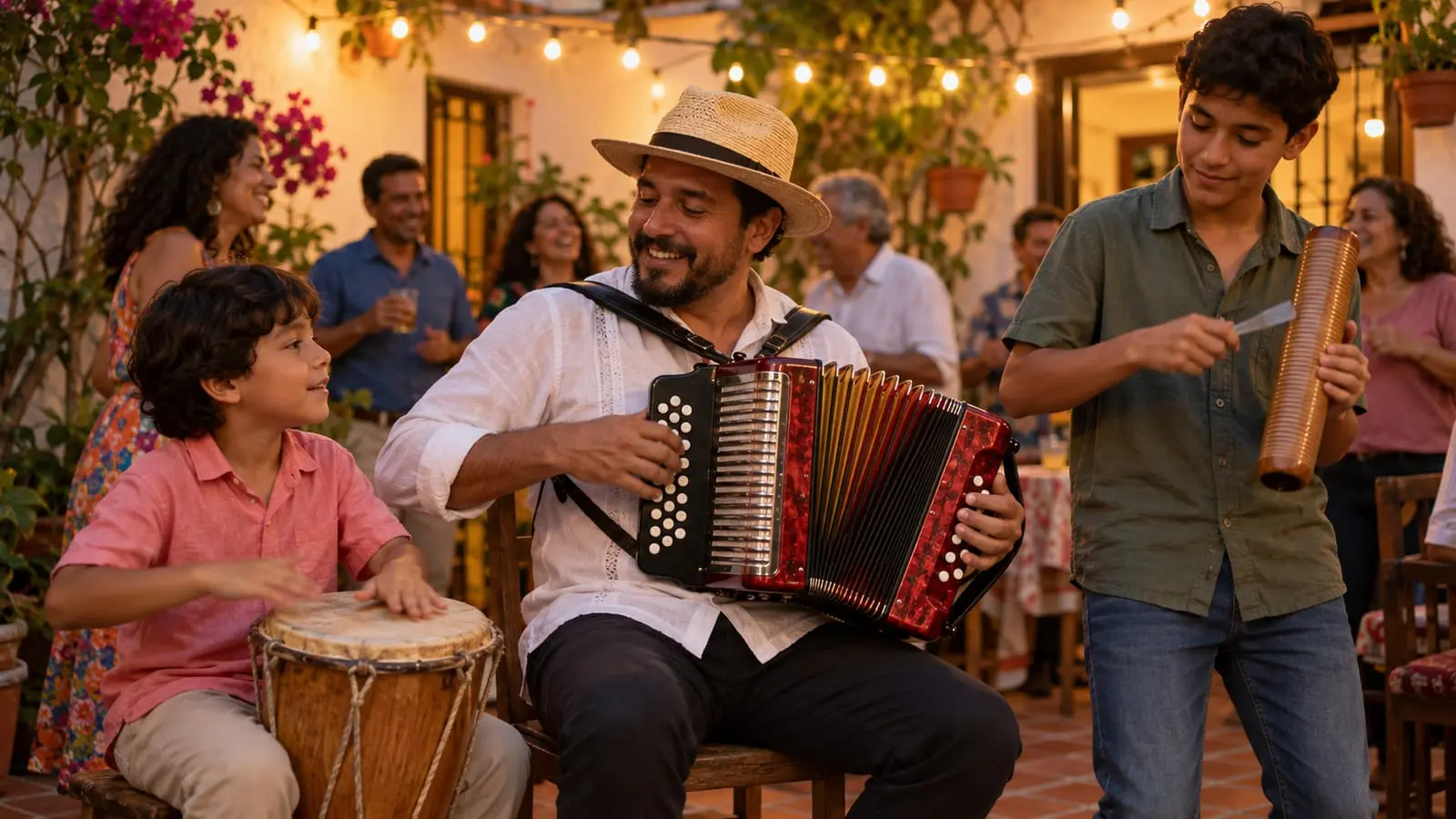
Vallenato instruments: accordion, caja, guacharaca, and the modern ensemble
The three traditional vallenato instruments, what the modern ensemble adds, how paseo, son, merengue, and puya sound, and how vallenato differs from cumbia.
Read article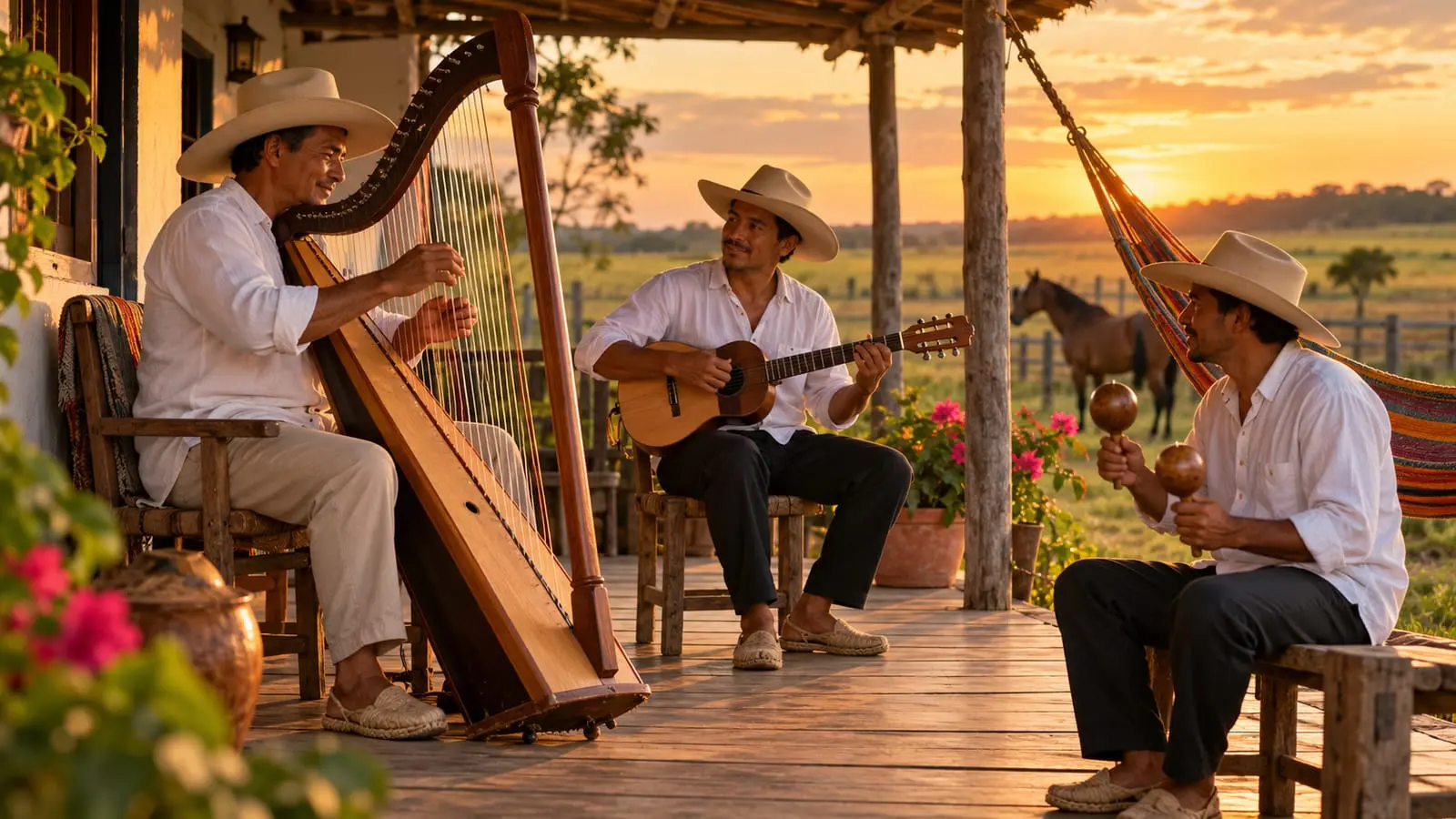
Llanero music: harp, cuatro, maracas, and the rhythms of joropo
Joropo is played with harp, cuatro, and maracas, moving between 3/4 and 6/8. What each instrument does, how golpes sound, and what you can start practicing now.
Read article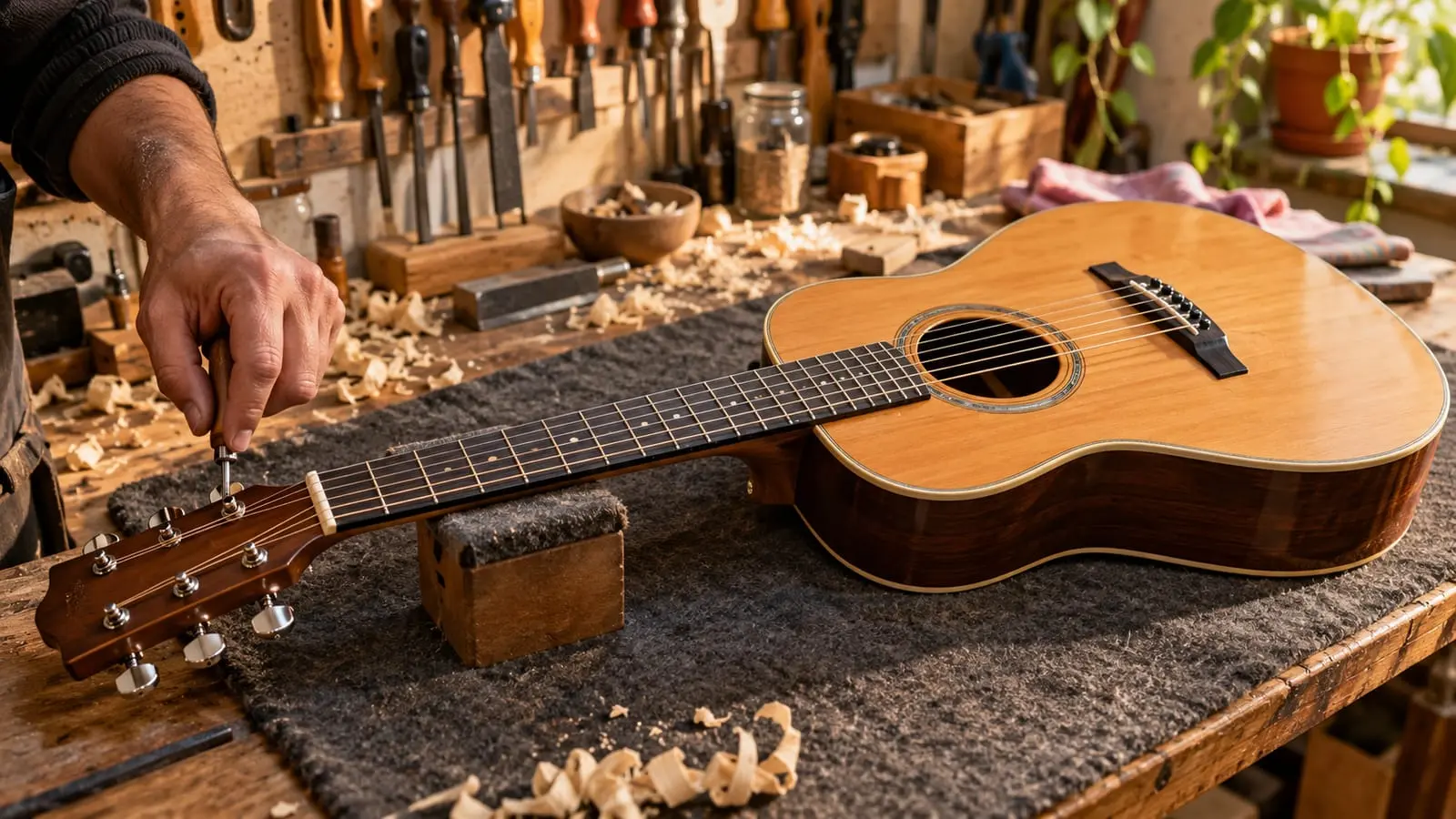
Parts of the guitar and what each one does
A clear guide to guitar parts and their functions: acoustic, classical, and electric, with a table of what to check when buying and a version for kids.
Read article
Care and buying
Guides to picking your first instrument and keeping it clean, in tune and protected from the weather.
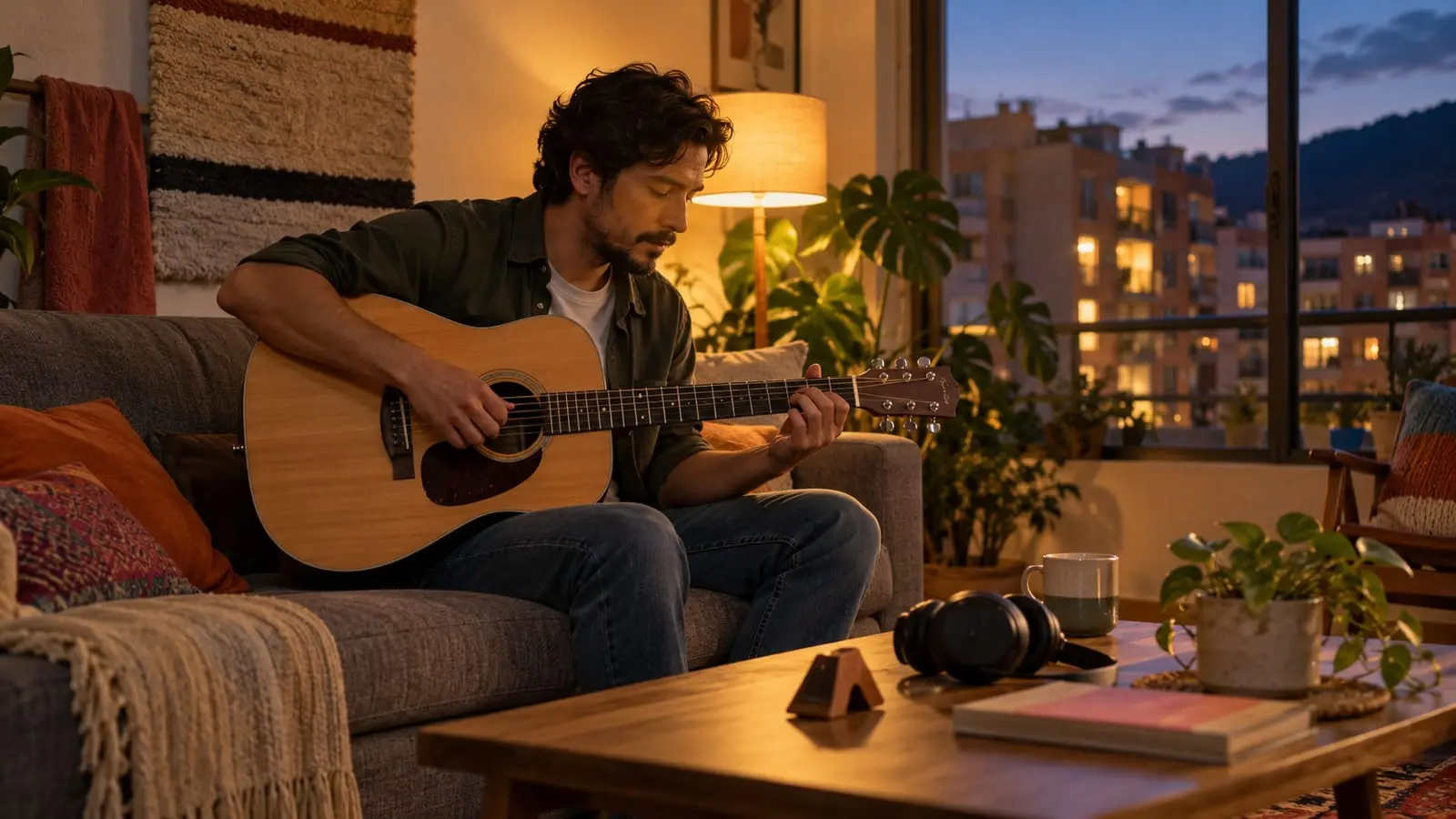
Playing an instrument in an apartment: noise, neighbors, and what Colombian regulations say
You can practice almost any instrument in an apartment with the right tools, sensible practice times, and a timely conversation with your neighbors. Here is what to do for each instrument and what to check in your building's rules.
Read article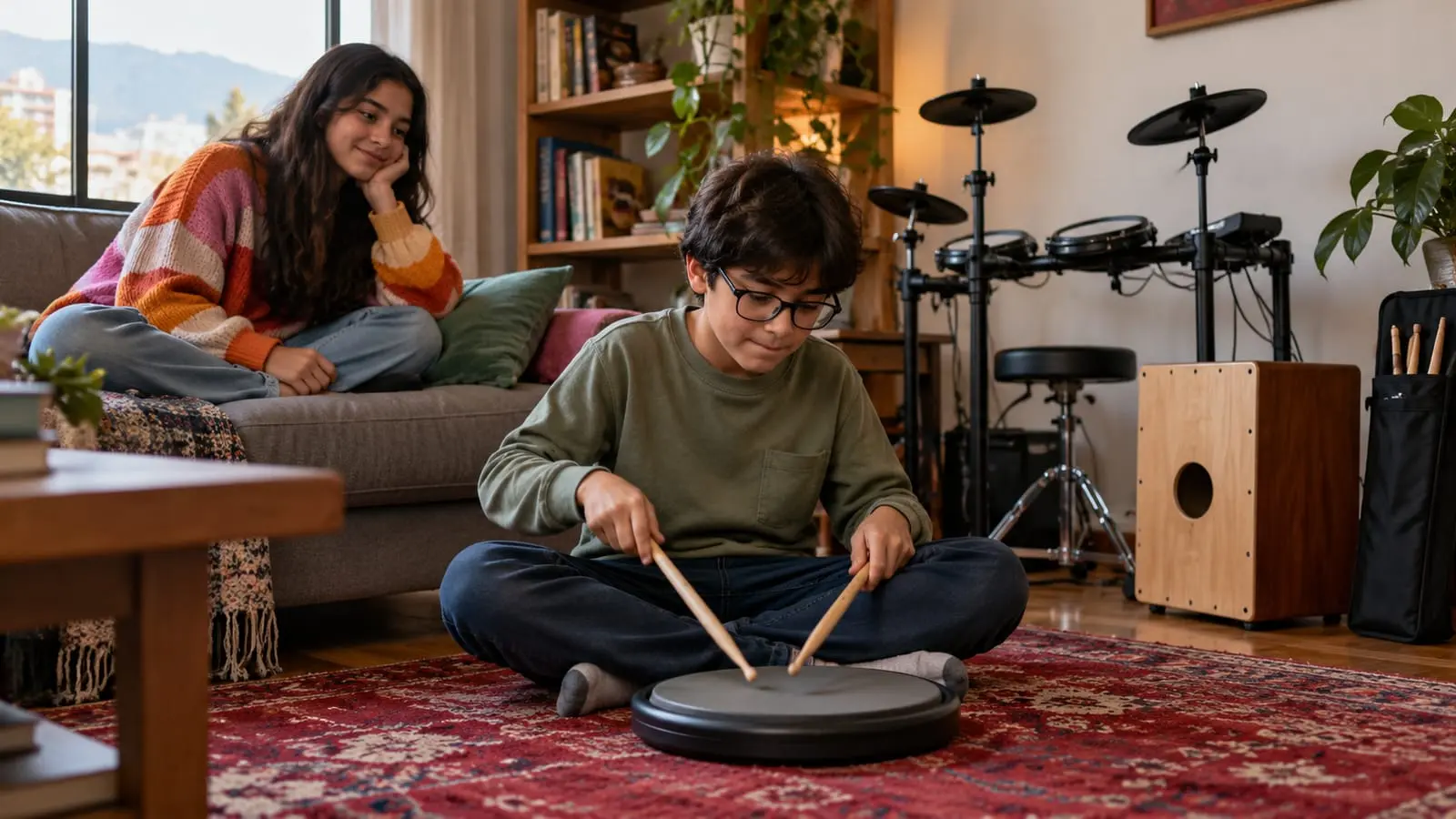
Acoustic drums, electronic drums or a cajón to start with?
Before the drum kit, a practice pad and a good pair of sticks. We help you choose between an acoustic kit, an electronic kit or a cajón for your home.
Read article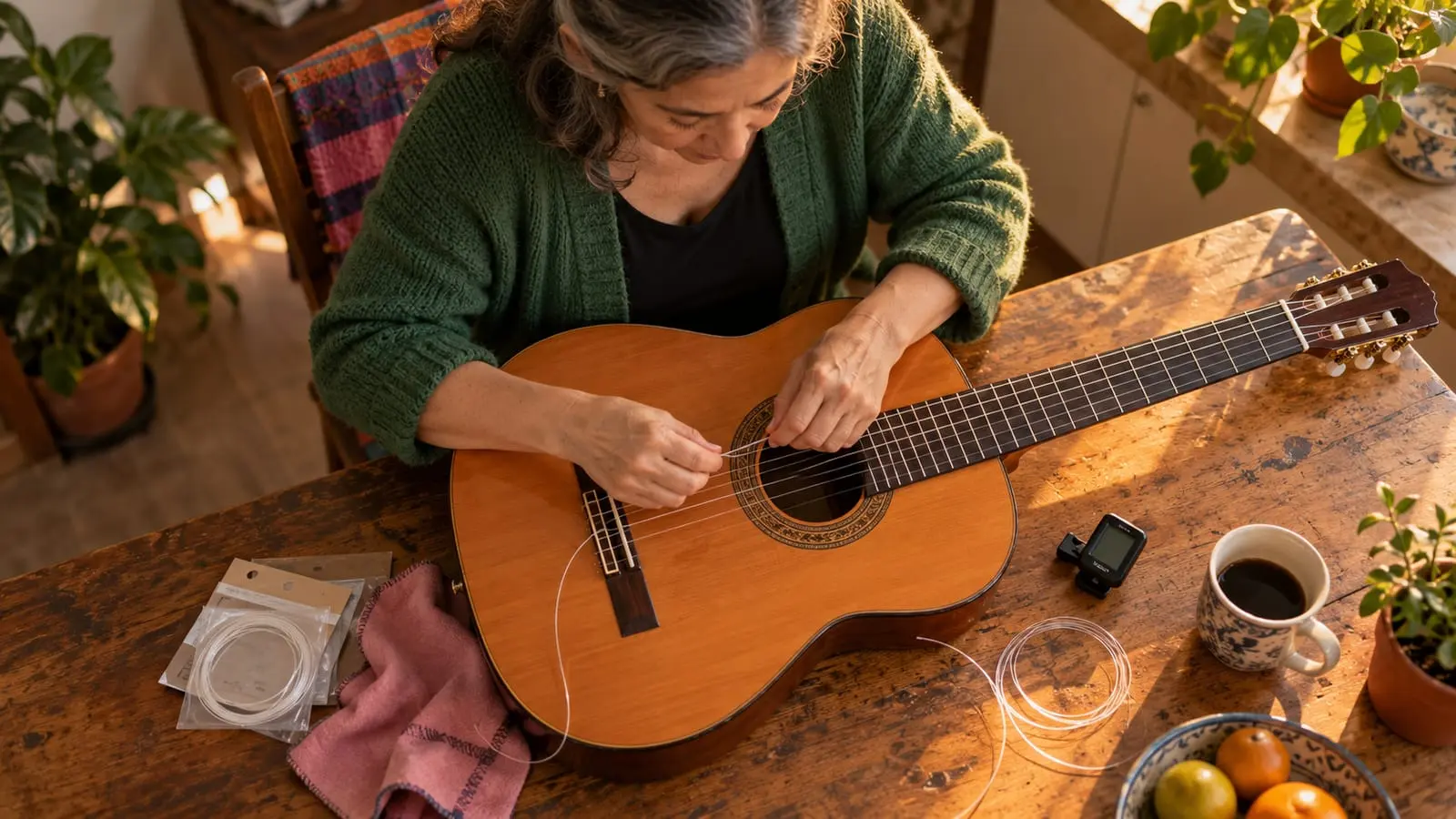
How do you change guitar strings? Step by step
Nylon and steel strings, acoustic, classical and electric: when to change them, what gauge to use and how to put them on so they tune up and stay in tune.
Read article
How do you take care of your voice? A practical guide for singers
Your voice doesn't come with a case: you look after it with daily habits. Hydration, rest, warm-ups and knowing when to get a professional evaluation.
Read article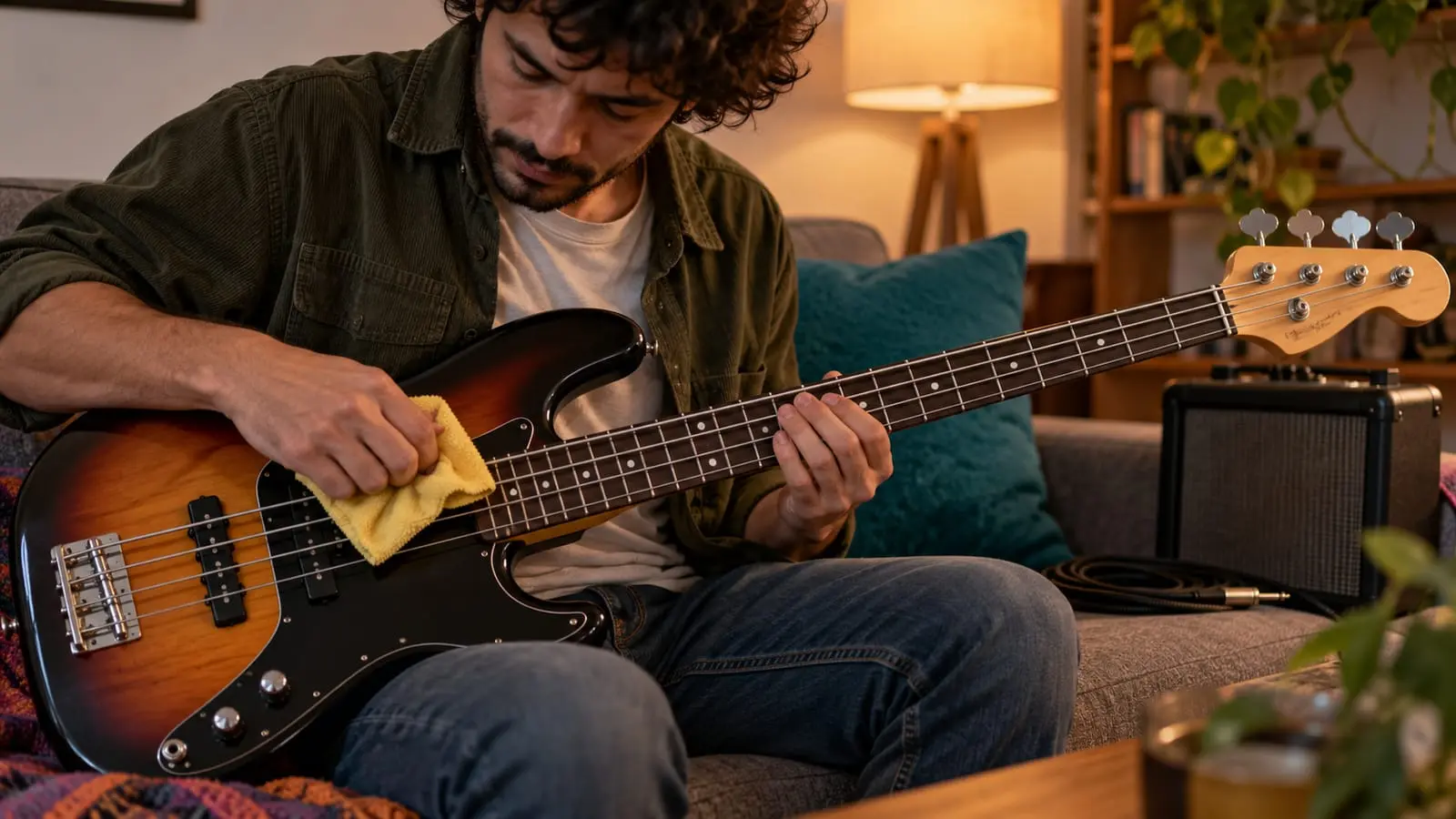
How do you look after an electric bass?
Fresh strings, a well-adjusted neck and noise-free electronics make a bass sound and play better. What you can do at home and what's a job for the luthier.
Read article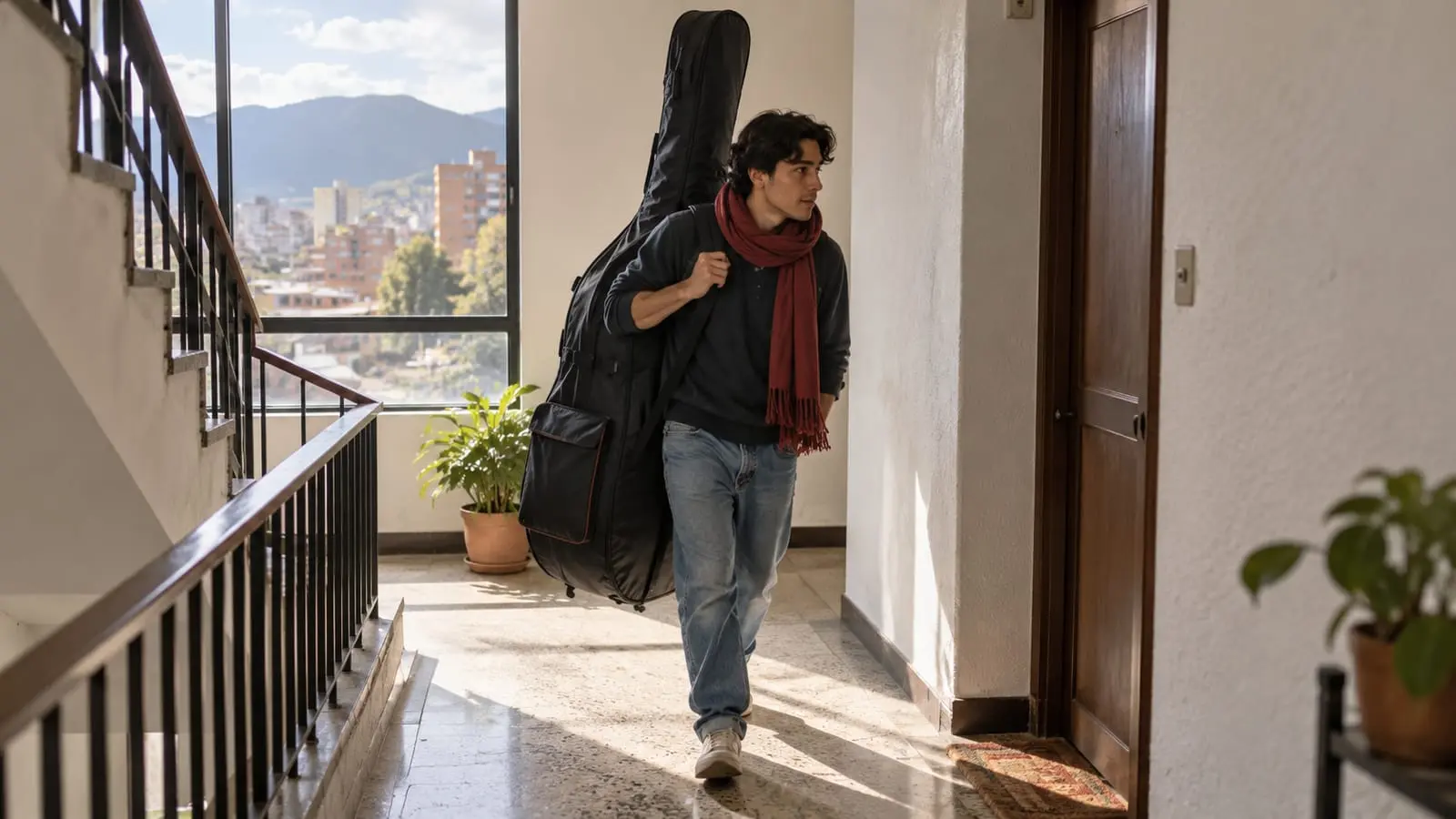
How do you look after a double bass? Transport, bridge and bow
A double bass gets damaged more in transit than while being played. How to move it, adjust the bridge when the weather changes and look after the strings, bow and rosin.
Read article
Theory and technique
Tuning, reading sheet music, chords, scales, breathing and exercises explained step by step.

Colombian December songs on guitar: chords and rhythms for the holiday season
With four or five open chords and a strumming pattern for each rhythm, you can accompany the novena and December celebrations. We explain which ones to use, in what keys, and how to practice them starting in November.
Read article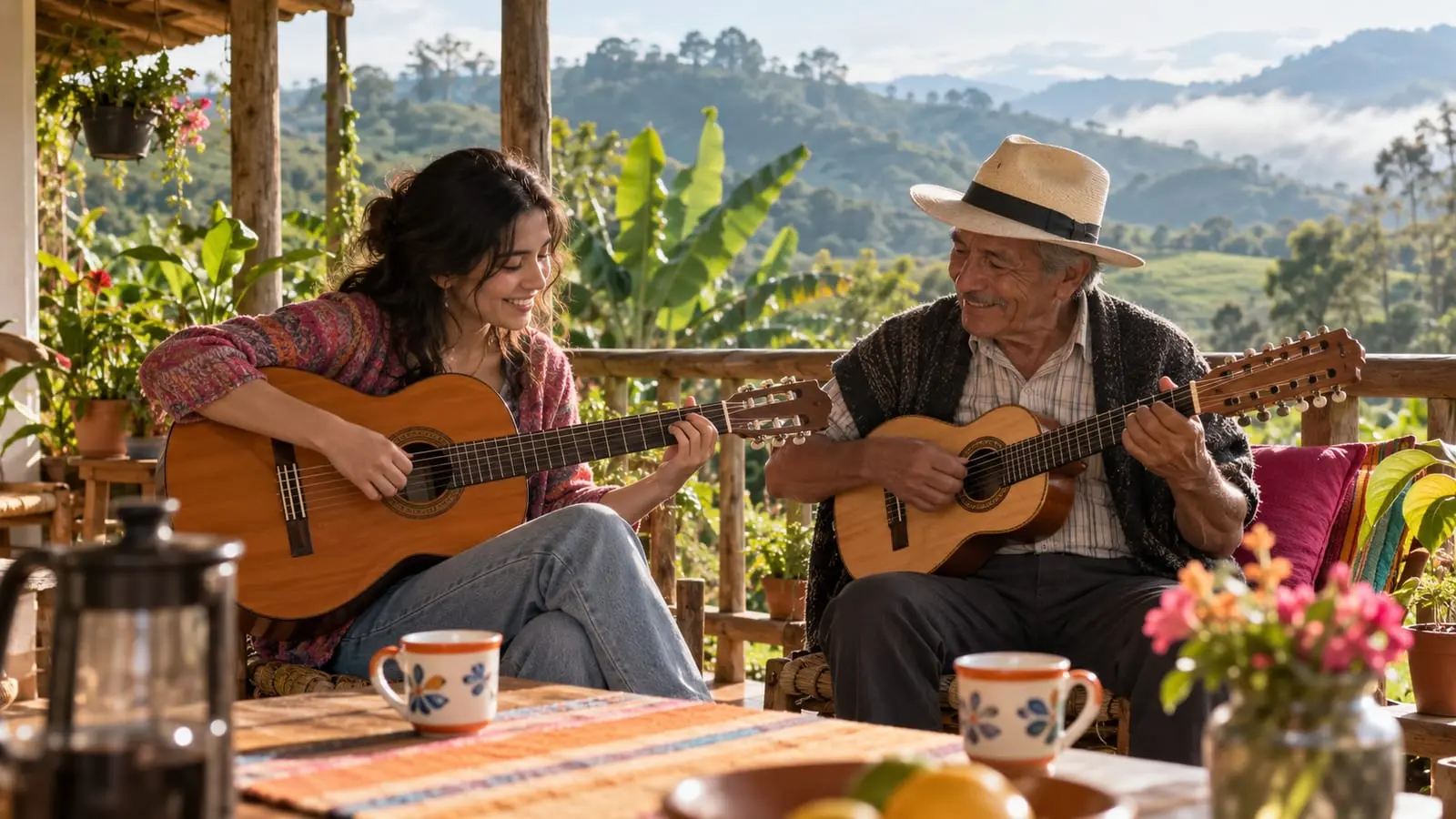
How to Play Bambuco on Guitar and Tiple: Strumming, Chords, and Your First Songs
Bambuco plays with two pulses at once, which makes it tricky at first. We explain 6/8 versus 3/4, a basic strumming pattern, simple progressions, and how to practice.
Read article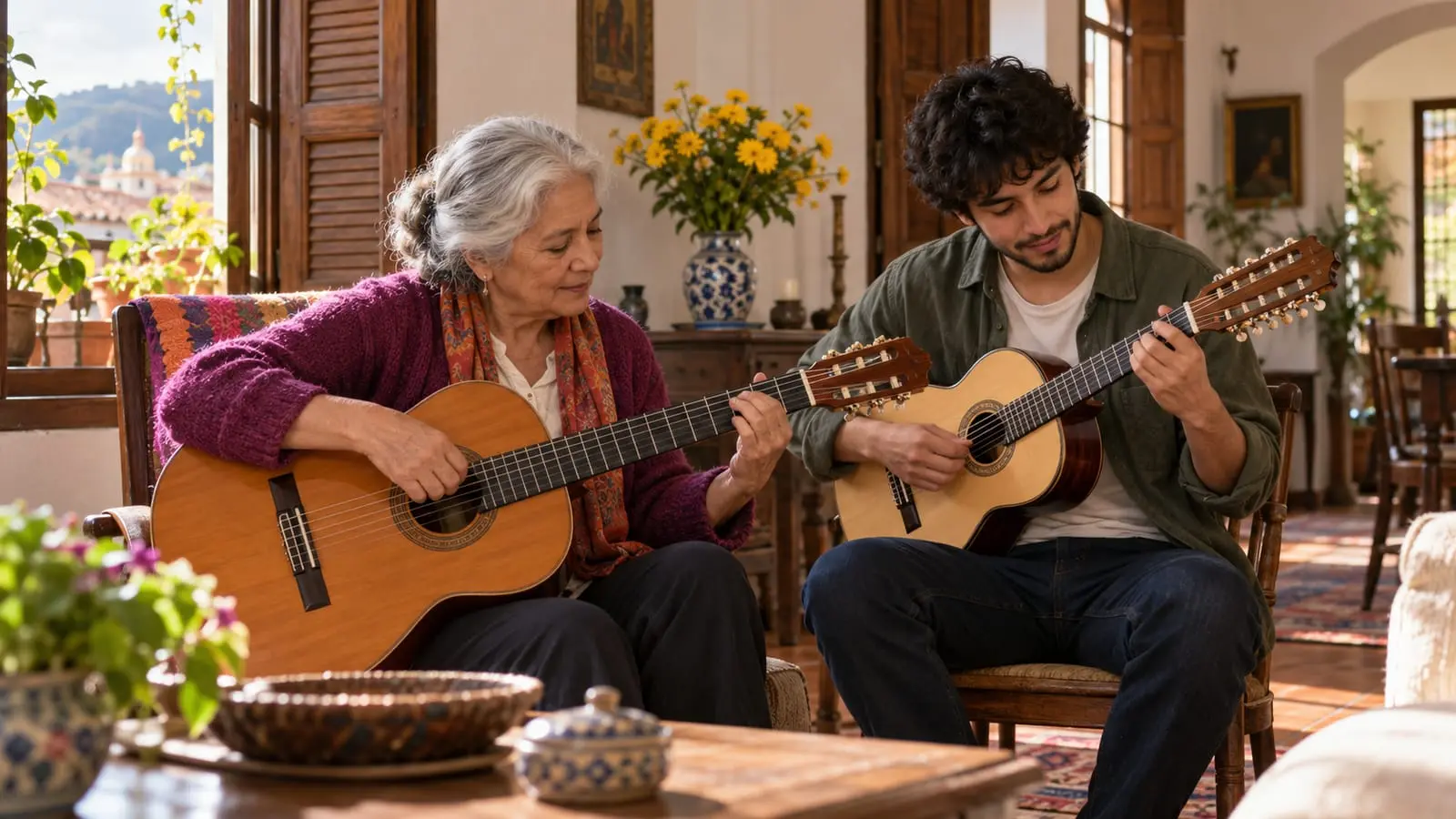
How to Play Colombian Pasillo on Guitar and Tiple
Pasillo is played in 3/4, with bass on the first beat and shifted chord entries. Strumming patterns, progressions, and exercises for guitar and tiple, from slow pasillo to the lively fiestero style.
Read article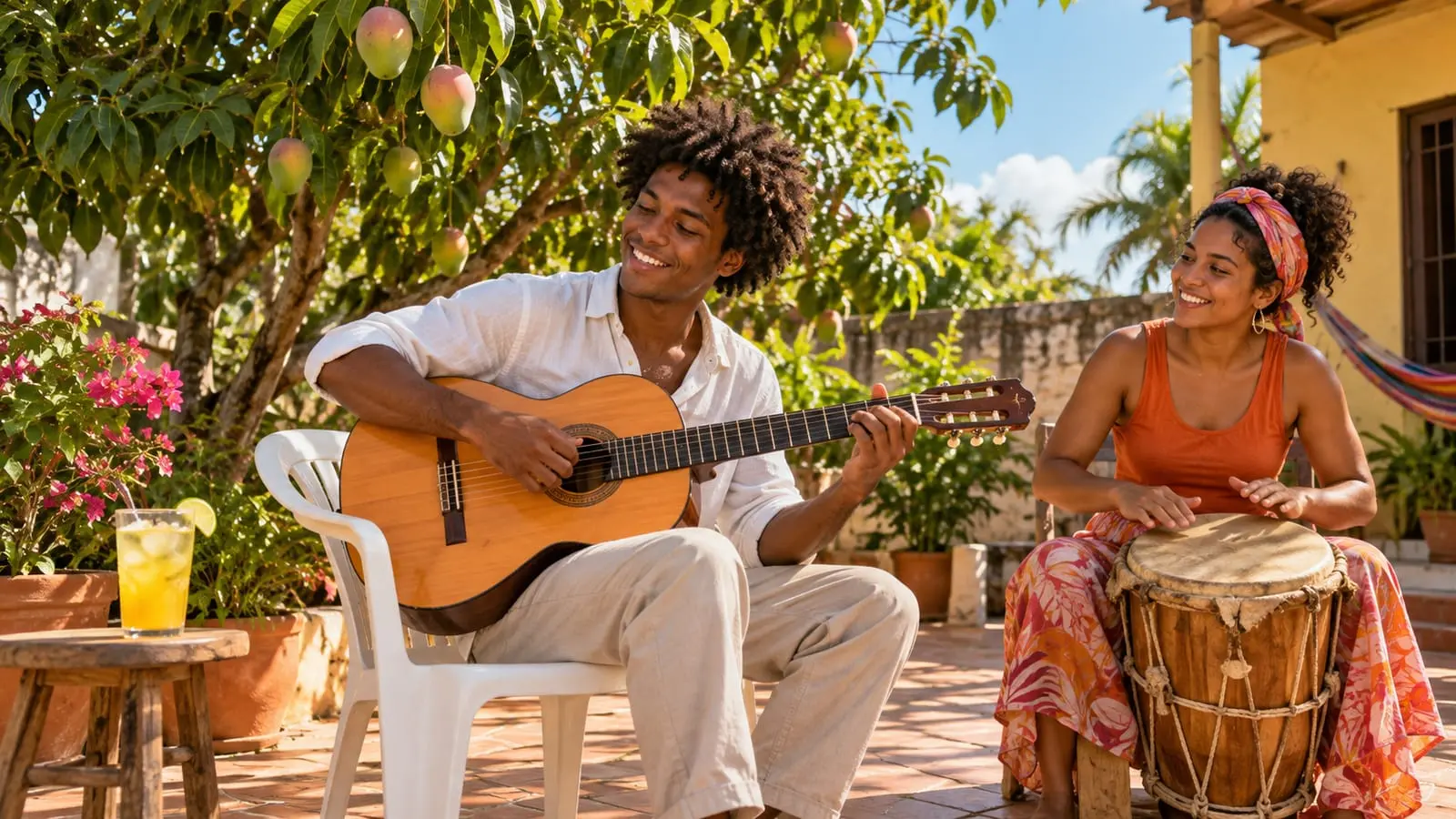
How to play vallenato on guitar: paseo, merengue, and easy chords
Paseo and merengue strumming patterns explained stroke by stroke, alternating bass notes that imitate the band's bass player, simple progressions, and how to accompany a singer.
Read article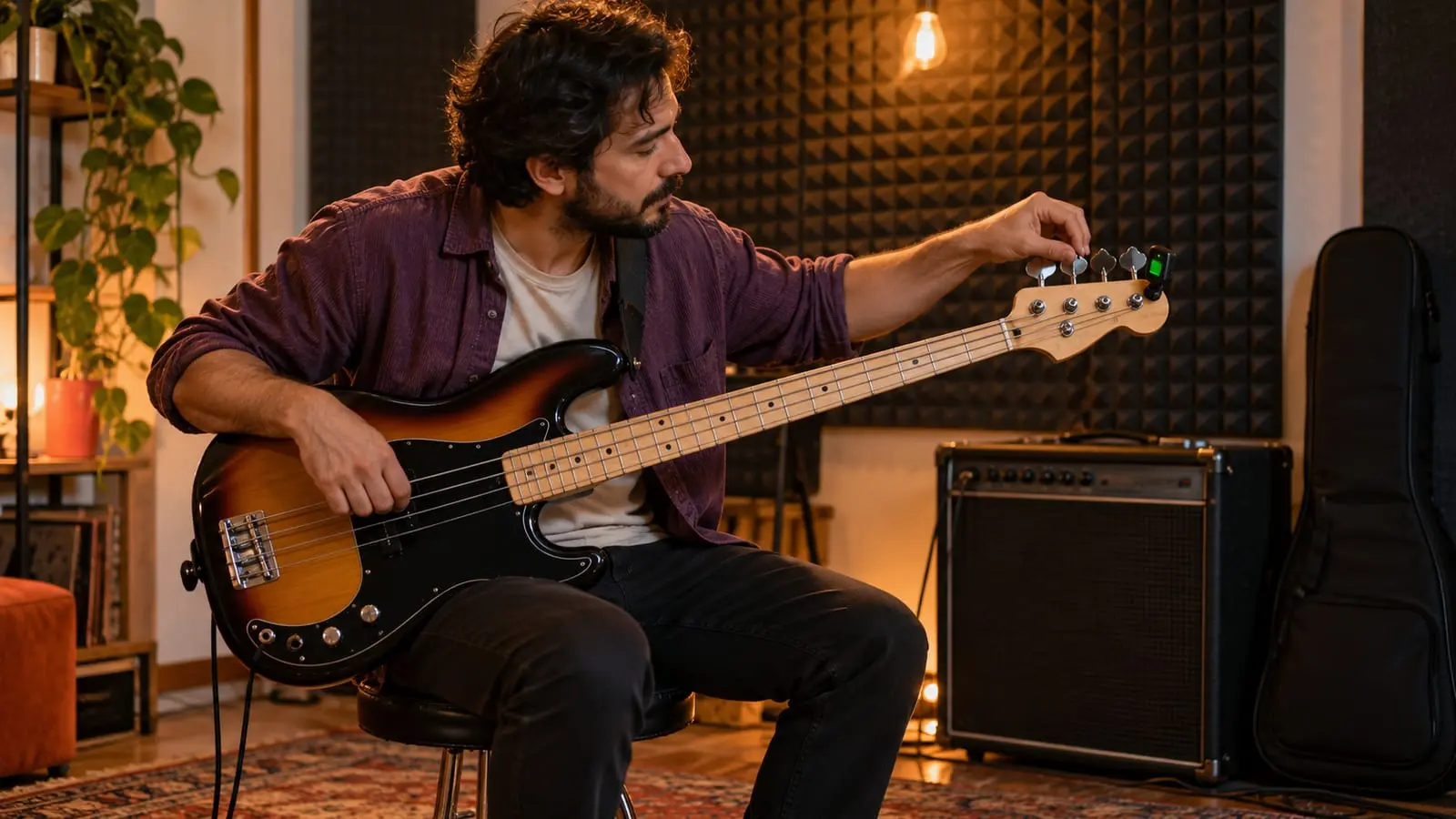
How do you tune an electric bass? E, A, D and G
E, A, D and G: the four lowest strings of the guitar, an octave lower. Here's how to tune your bass with a tuner, by ear and with harmonics, and how to check the intonation.
Read article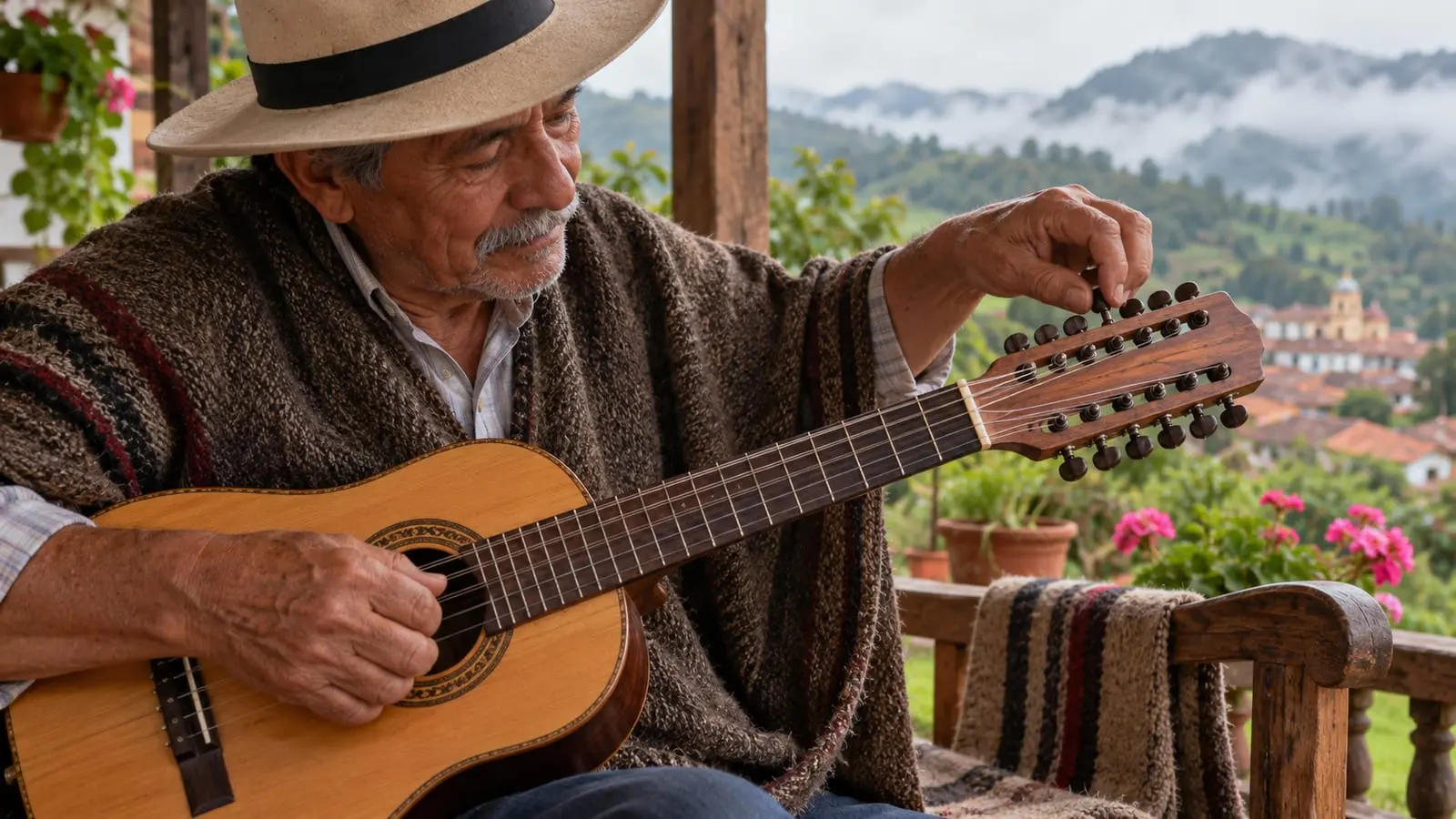
How do you tune a tiple? A step-by-step guide to its 12 strings
Twelve strings, four courses and some tuned an octave apart: here's how to tune a tiple with a tuner and by ear, without getting tangled up in the tuning pegs or snapping a string.
Read article
Studying music
Music degrees, admission tests, dictation, sight-singing and auditions at Colombian universities.
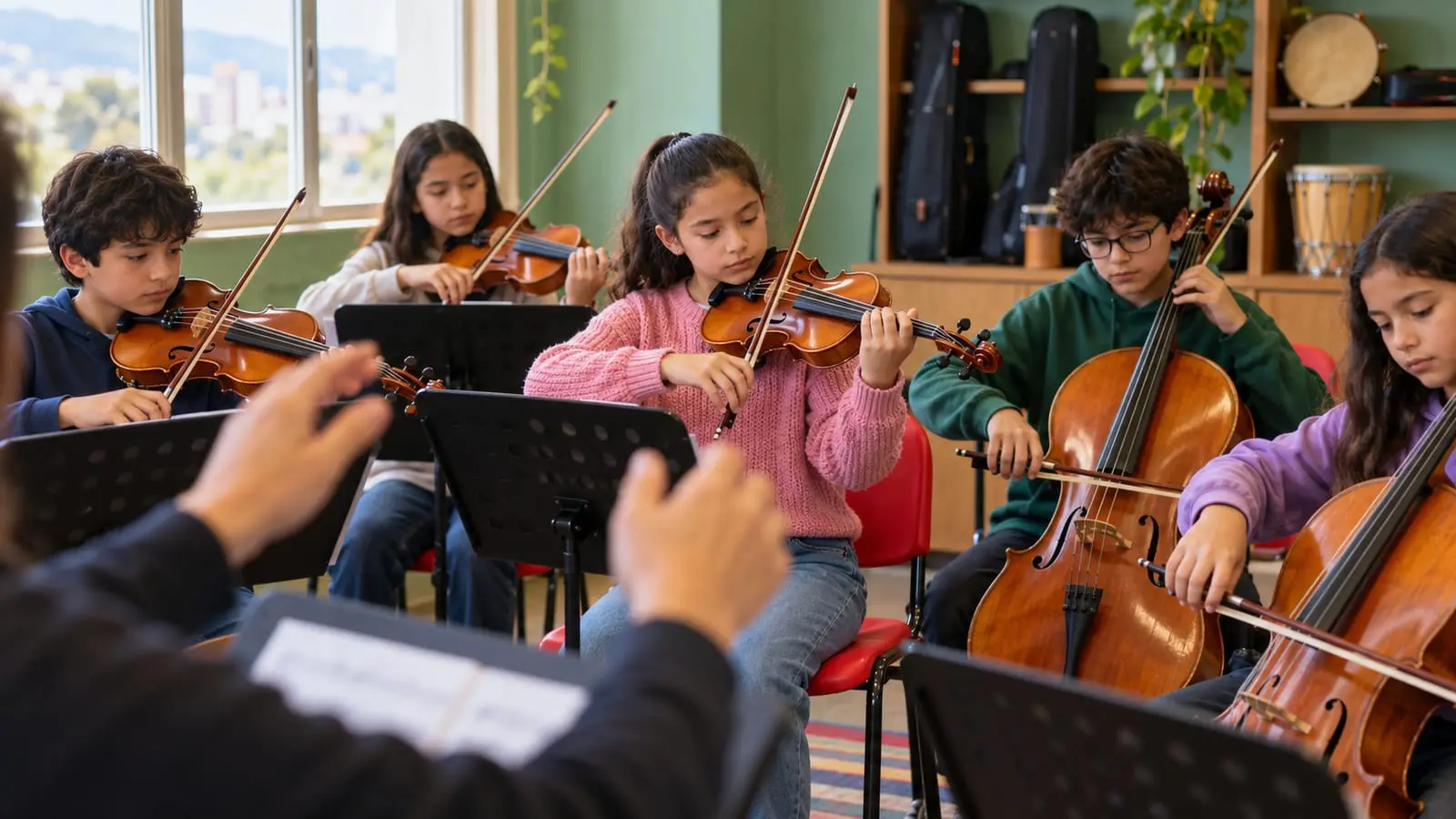
How to Prepare for a Youth Orchestra Audition
Scales, a prepared piece, sight-reading, and sometimes an interview: common youth orchestra requirements, an 8-week plan, and what the panel listens for.
Read article
Music conservatories in Colombia: what they are, where to find them, and how to get in
In Colombia, a “conservatory” is almost always a university music program with its own entrance exam. We show you where to find options, how admission works, and how to prepare.
Read article
Music admissions at EAFIT: theory test, audition and preparation
EAFIT’s music program has no interview: admission involves a group theory test and an audition for your chosen specialization. We explain what has been published, what has not, and how to prepare.
Read article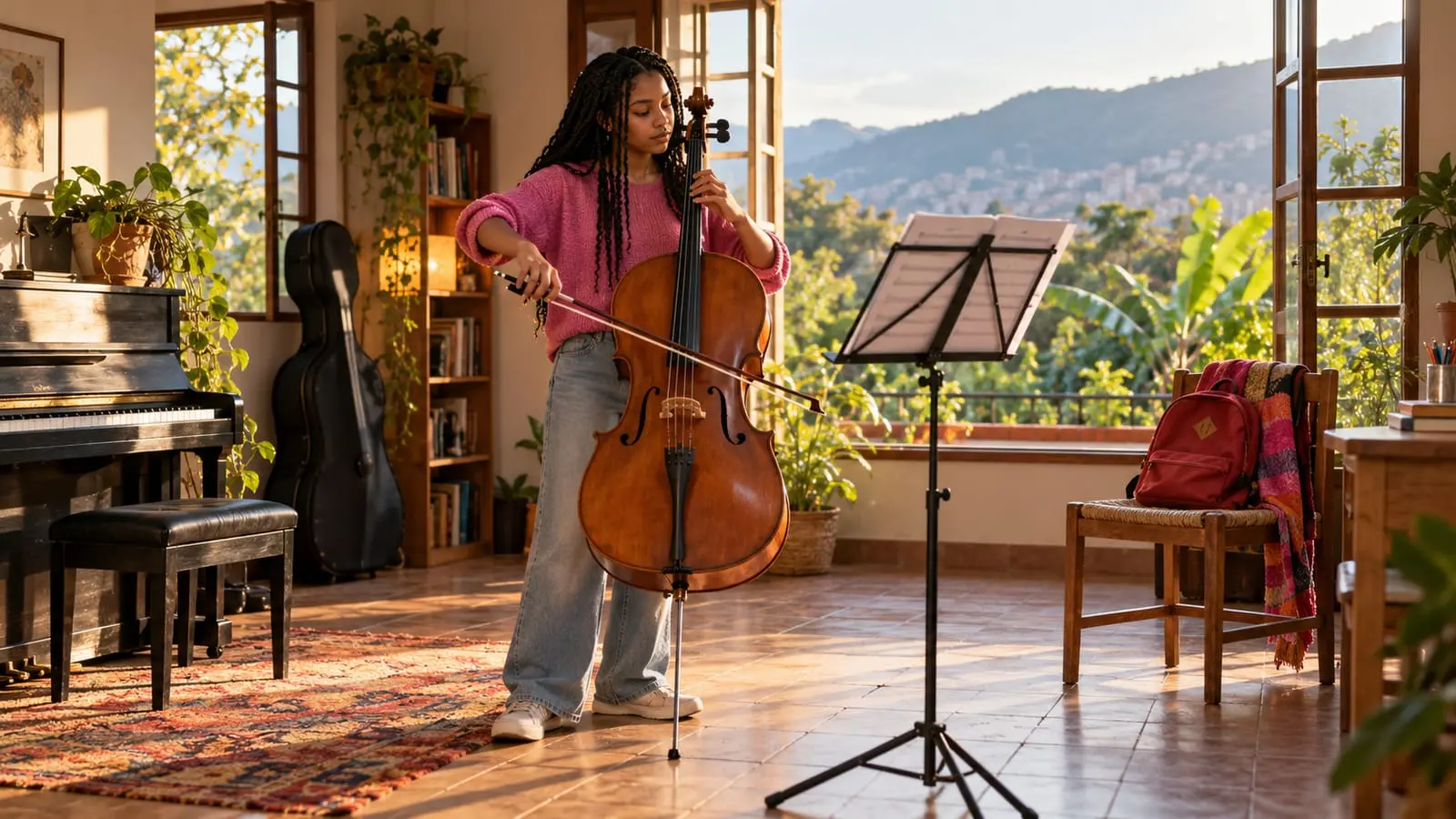
Music admissions at Conservatorio del Tolima: entrance tests and preparation
The Maestro en Música and Licenciatura en Música degrees at Conservatorio del Tolima have very different entrance tests: one focuses on your audition, the other on musical aptitude. We explain both.
Read article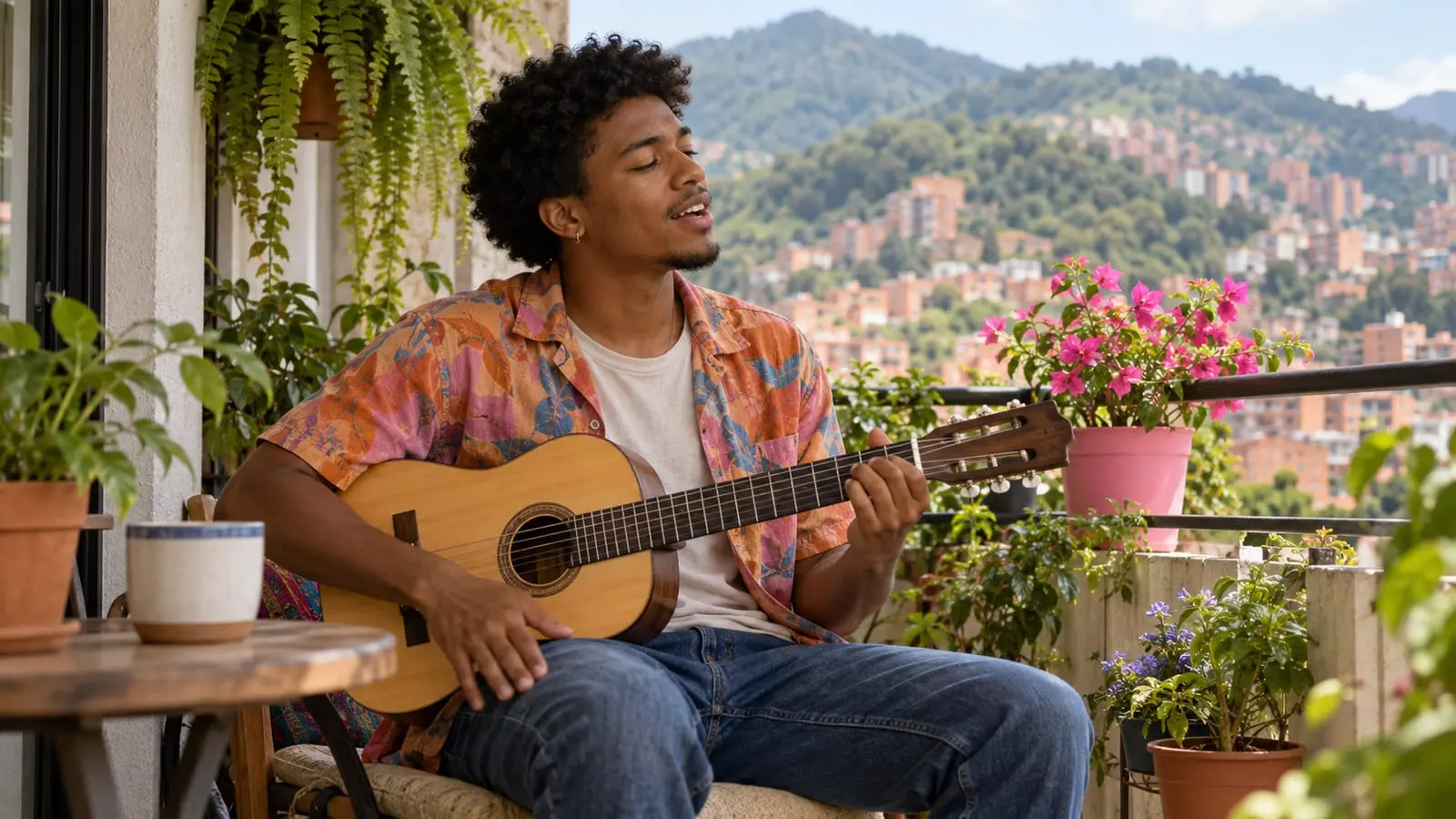
Music entrance exam at UdeA: what to expect and how to prepare
UdeA’s music applicants do not take the general entrance exam. Admission depends on two elimination tests: one on your instrument, and another on listening, reading and harmony. We explain each one.
Read article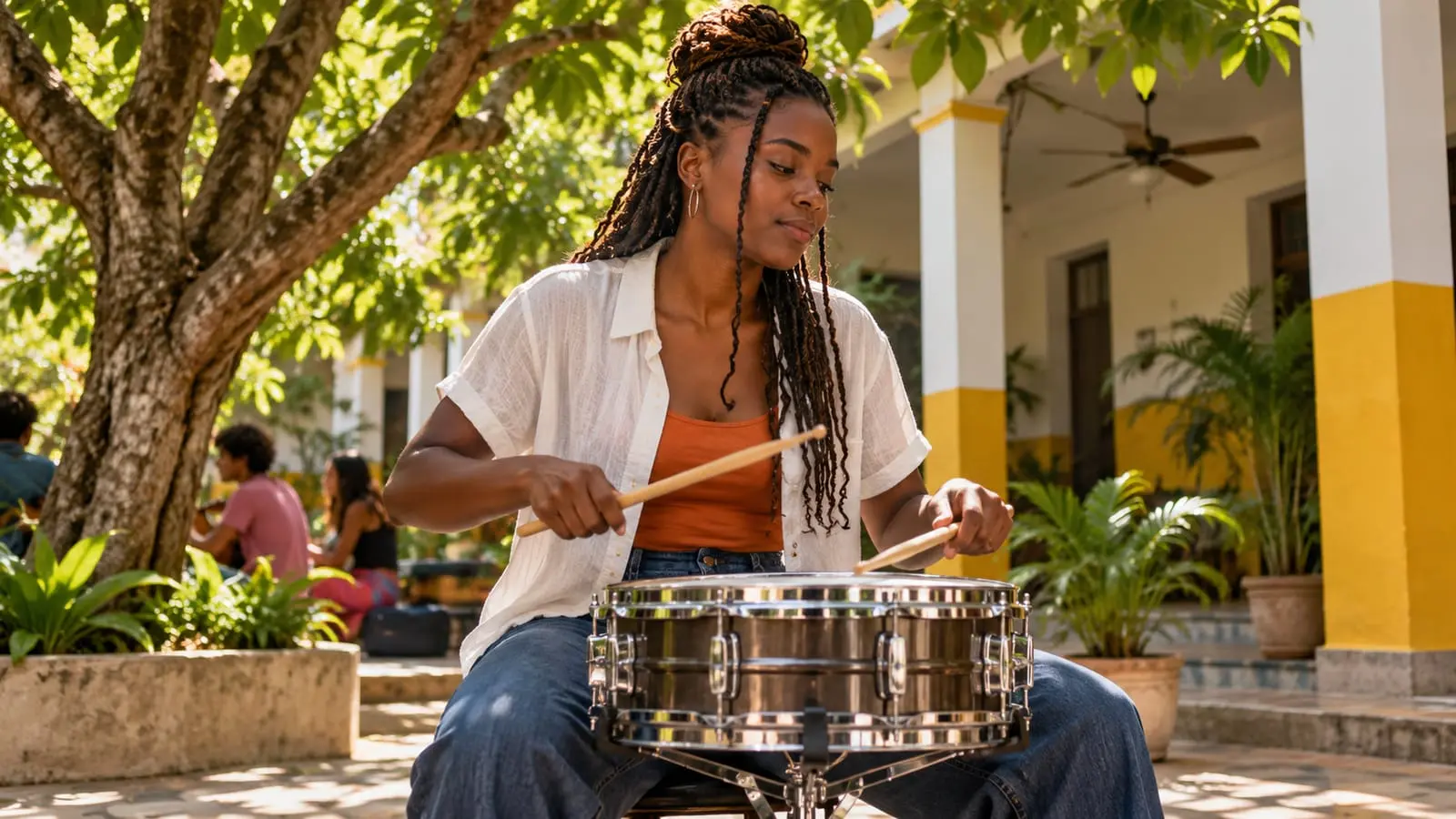
Music entrance exam at Universidad del Atlántico: what to expect and how to prepare
Universidad del Atlántico first selects applicants using Saber 11 results, then requires a score of at least 3 out of 5 on the program’s specific test. We explain what each program assesses.
Read article
For teachers
How to become a music teacher in Colombia, give private lessons and plan lessons that work.

How do you become a music teacher in Colombia? Paths and requirements
There's more than one path to teaching music in Colombia. We explain what they are, what each one requires and how to gain experience if you're just starting out.
Read article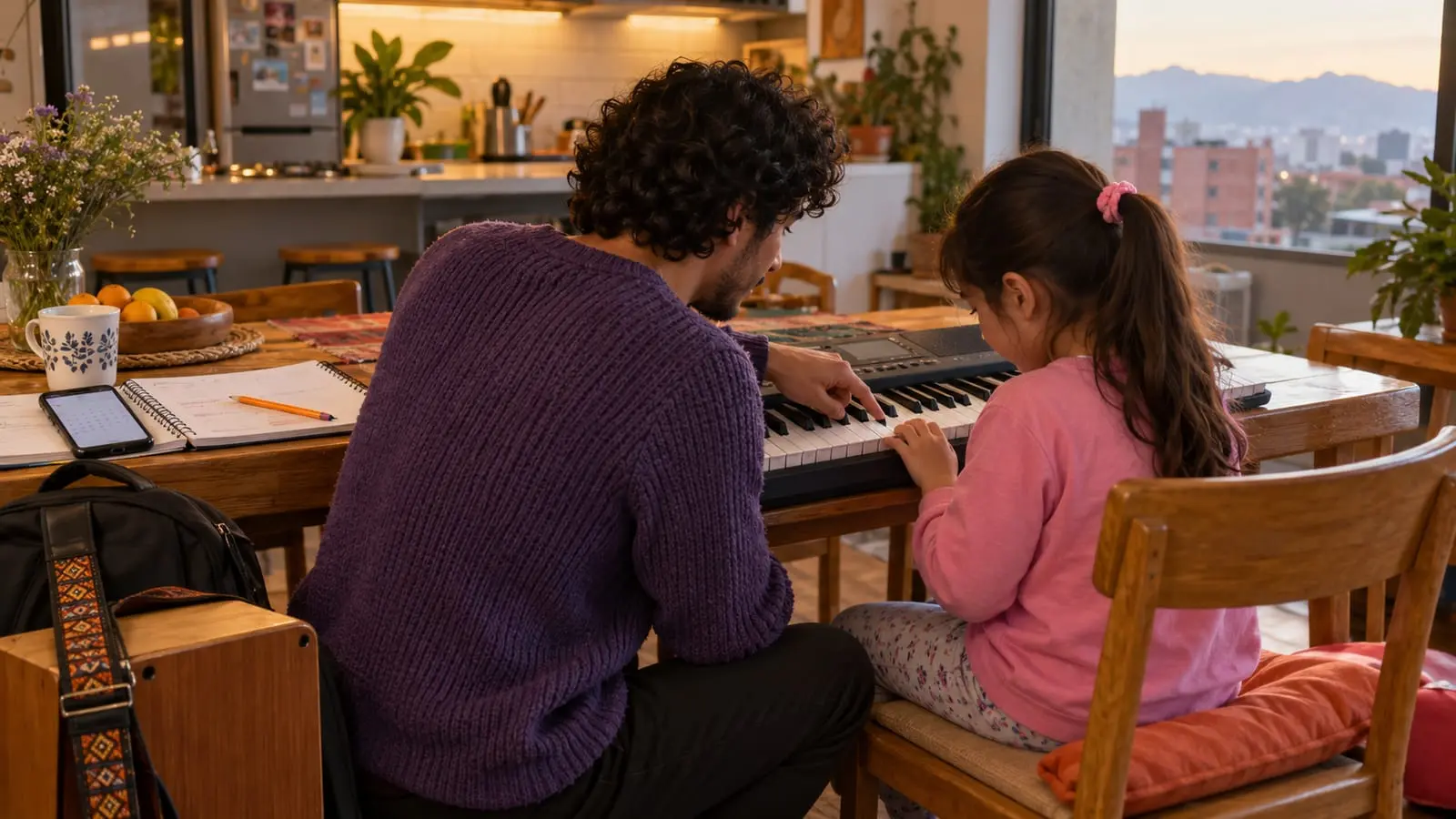
How to teach private music lessons: a guide for teachers
From the first message with the family to the tenth lesson: how to assess, plan, communicate and stay organized so your students make progress.
Read article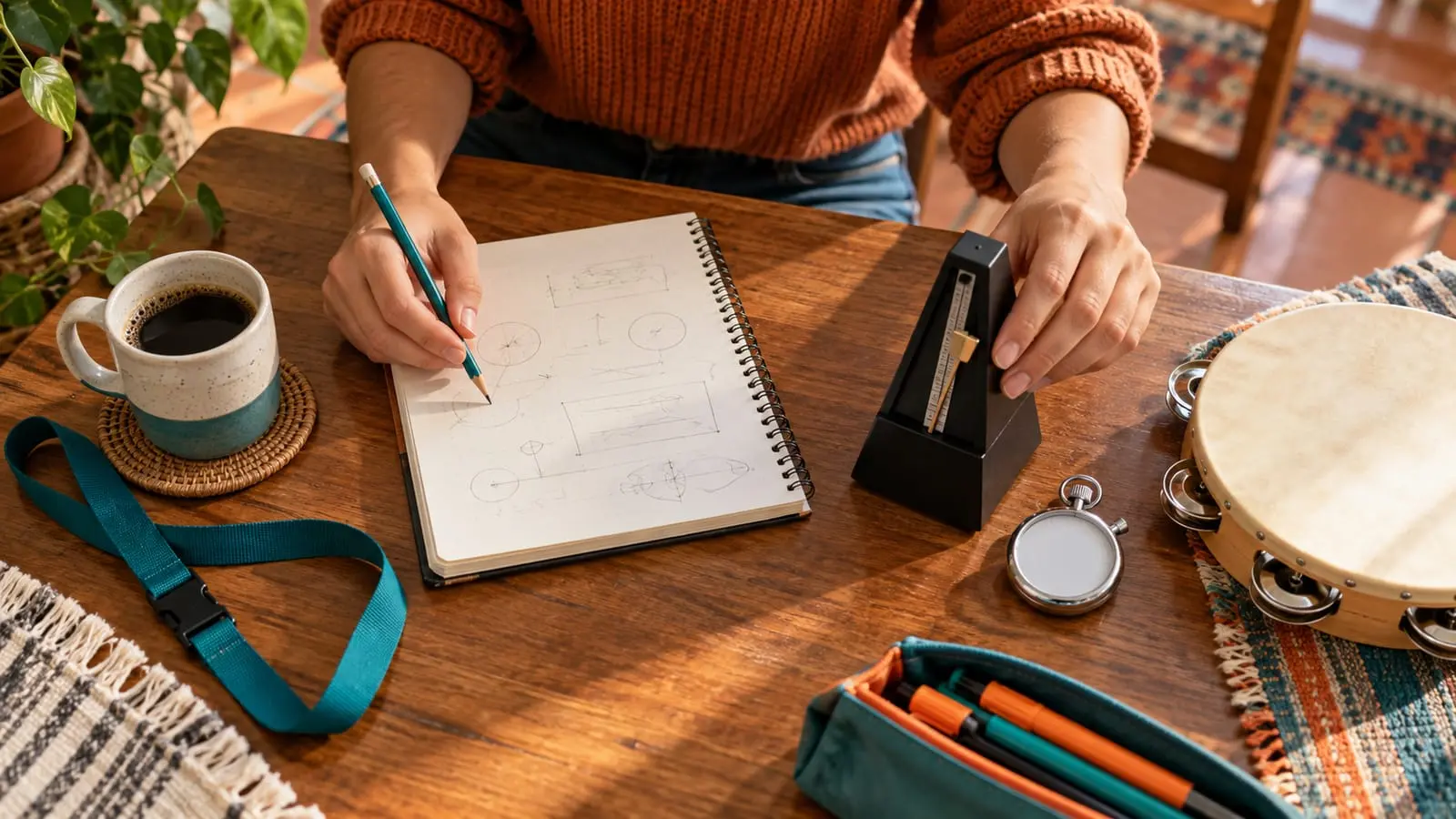
How to plan a music lesson: a step-by-step structure
A lesson structure that works for any instrument, with timings for 45- and 60-minute lessons, sample goals and homework that actually gets done.
Read article
For academies
Recruiting, evaluating and managing music teachers for academies, schools and institutions.
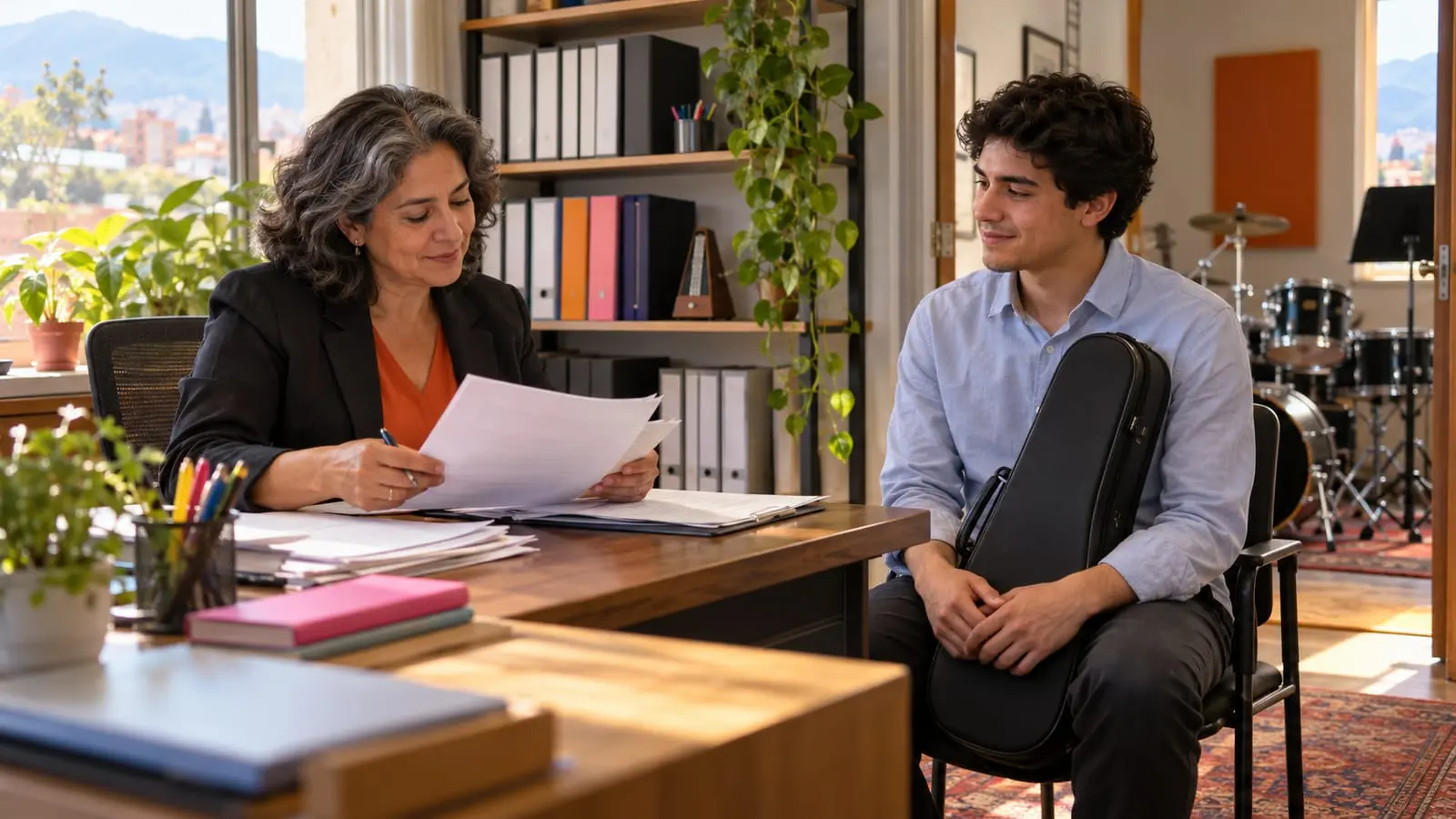
How to hire music teachers for your academy or school: a step-by-step guide
From the job profile to 90-day retention: a stage-by-stage process for hiring music teachers who can play, teach and manage your students.
Read article
How to write a music teacher job posting (with template)
What a music teacher job posting should say to attract the right fit: title, duties, requirements, conditions and process, with a ready-to-adapt template.
Read article
How to organize a school's music department: staff profiles, grade levels and ensembles
From assessment to a grade-by-grade plan: how to go from “we have music class” to a department with clear roles, ensembles, well-kept instruments and follow-up.
Read article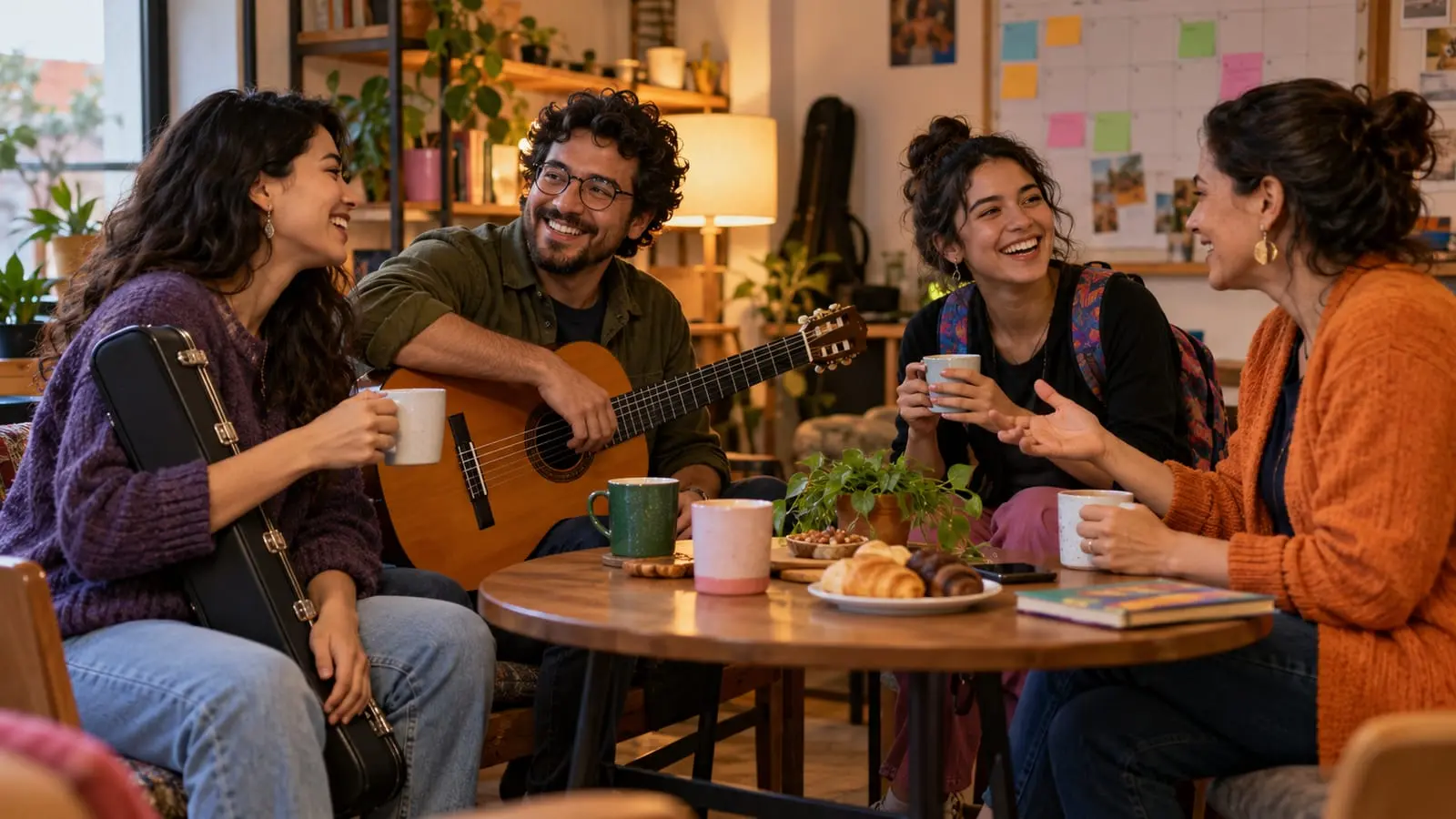
How to retain teachers at your music school
Teachers rarely leave for just one reason. These are the frictions that wear down a music team, and what you can do as a director to keep your best teachers.
Read article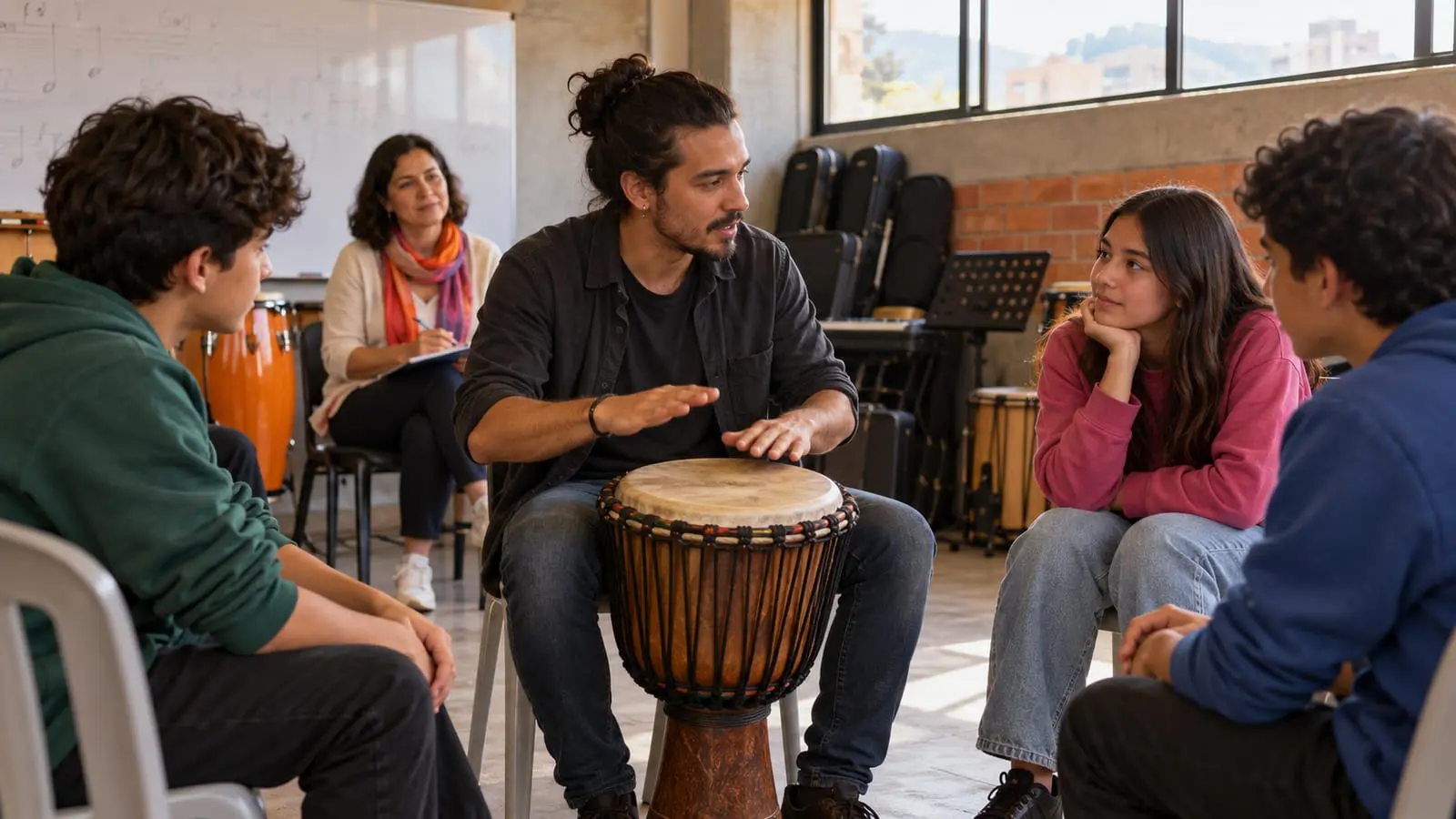
The sample lesson: how to evaluate a music teacher with a rubric
A CV tells you where a teacher studied; a well-designed sample lesson tells you how they teach. Here's the format, a rubric and how to score without bias.
Read article
Music teacher interview questions: what to ask and what to listen for
Ready-to-adapt questions grouped by criterion, with what to listen for in each answer and the red flags. So the interview gives you evidence, not just impressions.
Read article