
How do you become a music teacher in Colombia? Paths and requirements
There's more than one path to teaching music in Colombia. We explain what they are, what each one requires and how to gain experience if you're just starting out.
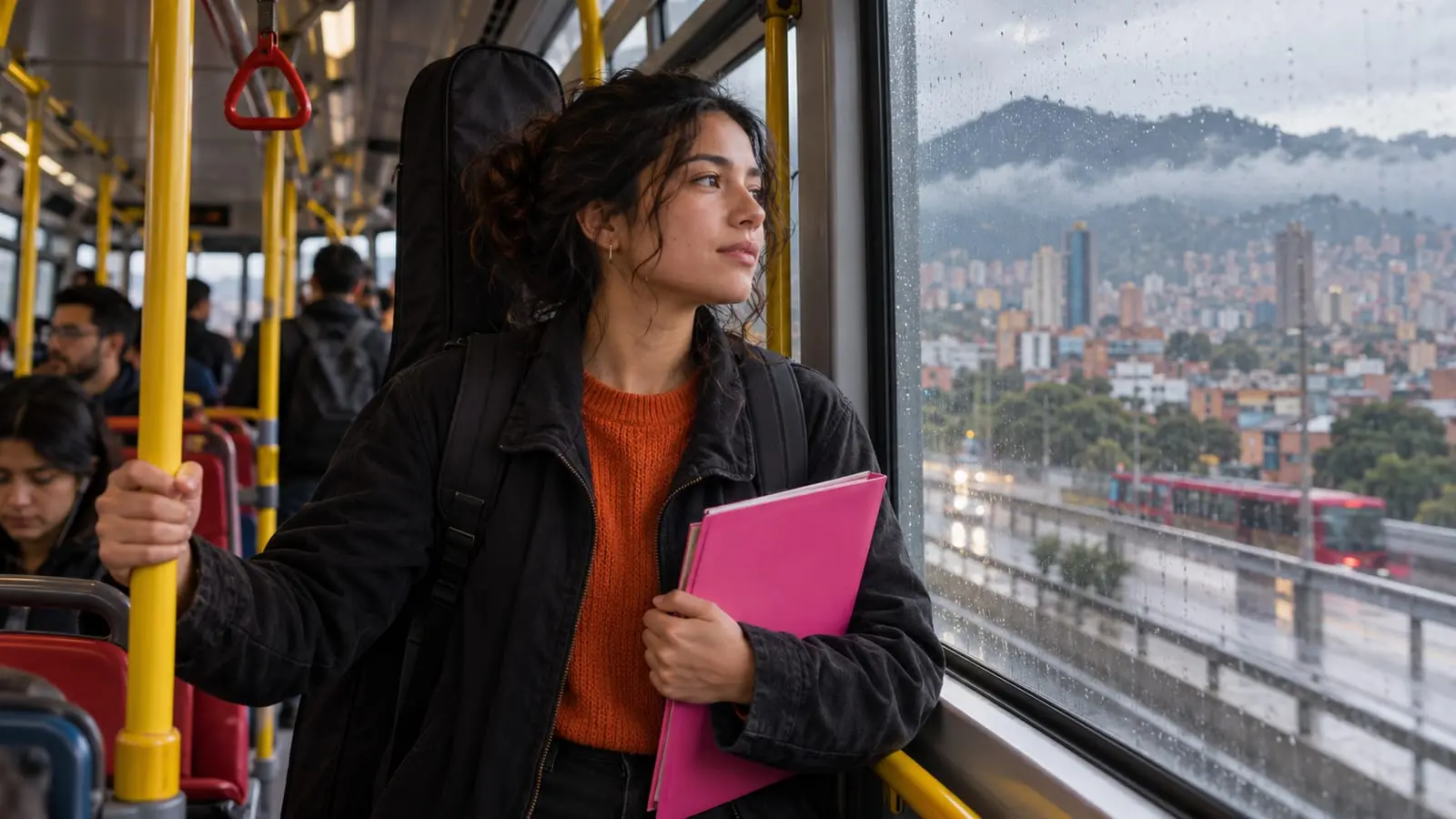
There are several ways to become a music teacher in Colombia: earn a Licenciatura en Música, a degree in music education; complete a Maestro en Música degree or another degree and add teacher training; or build your career through private lessons and work at academies and music schools. The right path depends on where you want to teach.
Public schools place weight on your degree and teacher training; private lessons, academies, and music schools focus on your musical skills, teaching approach, and experience. Here are the different paths, what each requires, and how to start gaining experience.
In short
- A Licenciatura en Música is the most direct route to teaching in schools: it trains musicians as educators from the first semester.
- Under current regulations, a professional without a teaching degree can teach in public schools if they undertake or demonstrate completion of a pedagogy program or a postgraduate program in education.
- For private lessons, academies, and music schools, each student or institution sets its own expectations: musical skills, teaching ability, and experience matter as much as a degree.
- The skills that stand out most in a lesson are assessing the student, planning, communicating with families, and being punctual.
- A well-prepared demonstration lesson and a short video portfolio open more doors than a long résumé.
Paths to teaching music in Colombia
| Path | Training | Where you can teach | Keep in mind |
|---|---|---|---|
| Music Education | Undergraduate degree combining music and pedagogy | Public and private schools, music schools, cultural programs, private lessons | The most direct route to teaching in schools. |
| Maestro en Música or another degree, plus teacher training | Arts or other professional undergraduate degree, plus a pedagogy program or postgraduate study in education | Public schools (under current regulations) and private schools, academies, private lessons | Your artistic skills are often an advantage; you add teacher training separately. |
| Musician with an established track record | Technical, conservatory, music-school, or self-taught training, with verifiable experience | Private lessons, academies, music schools, ensembles | Your skills, results, and references matter. |
| Networks and academies that select teachers | Any of the above | Online, in-home, or on-site lessons | They usually assess you through an audition, a demonstration lesson, and an interview. |
These paths aren't mutually exclusive. Many teachers combine school work with private lessons or start teaching while finishing their degree.
Public schools: what the regulations say
If your goal is to teach in a public school, your degree matters. Under current regulations, Law 115 of 1994 and Decree-Law 1278 of 2002 allow professionals without a teaching degree to teach in the public sector, provided they undertake or demonstrate completion of a pedagogy program or a postgraduate program in education within the legally specified deadlines. In practice, someone with a Maestro en Música degree can teach in a public school, but will need to add that teacher training; a music education graduate already has it.
Regulations change and have nuances, so check the requirements with official sources before making decisions. If you're still choosing a degree, we explain the differences and regulatory details in Maestro en Música or Licenciatura en Música.
Private schools, academies, and private lessons
Outside the public sector, each institution defines the profile it wants. A private school may require a teaching degree; a music school may value your performing experience more; and for private lessons, the student or their family decides.
What they usually assess
- Audition: whether you can confidently play or sing the repertoire you'll teach.
- Demonstration lesson: a few minutes teaching something specific to an actual student or someone playing the role of one.
- Interview: how you plan, how you handle a child who doesn't want to practice, and how you communicate with families.
- References: students, families, or institutions that can speak about your work.
To see the process from the other side of the table, read how academies design a demonstration lesson to assess teachers. It helps you understand what's expected of you.
Private lessons
This path has fewer barriers to entry and more responsibilities: you find your own students, manage your schedule, set your terms, and take responsibility for results. We explain how to do it well in how to teach private music lessons.
Skills that matter more than a degree
| Skill | How it shows up in a lesson |
|---|---|
| Musicianship | You confidently play what you teach, read fluently, and can demonstrate or accompany on the spot. |
| Assessment | In the first few minutes, you identify what the student knows, what they need to work on, and what motivates them. |
| Planning | Each lesson has a clear goal and connects to the previous and next lessons. |
| Explaining in different ways | If one explanation doesn't work, you try movement, an image, or a played example. |
| Adapting to different ages | You don't teach the same lesson to a 6-year-old, a teenager, and an older adult. |
| Communication with families | You set clear practice tasks and explain progress without jargon. |
| Professionalism | Punctuality, reliability, clear boundaries, and respectful treatment. |
None of these skills is learned solely in a classroom: you develop them by teaching, observing other teachers, and honestly reviewing what worked. For everyday planning, see how to prepare a music lesson.
How to gain experience when you're starting out
- Work alongside an experienced teacher. Observing lessons, preparing materials, or occasionally filling in teaches you more than any manual.
- Make the most of your university or conservatory. Teaching assistantships, student research groups, and placements offer opportunities to teach with guidance.
- Teach groups. Student instrumental ensembles, choirs, bands, and workshops at cultural centers help you learn to manage a group.
- Plan your first lessons, even if you're teaching people you know: set goals, record progress, and ask for feedback.
- Record yourself teaching, with permission from the student or their family, and check how much time you spend talking versus how much they spend playing.
- Build a short portfolio: two or three performance videos, one sample lesson plan, and two references.
Working with a teacher network
Another option is to join a network that connects teachers with students. The advantage is that you don't have to find every student on your own; in return, you go through a selection process and work to the network's standards.
At Gissi, we assess every teacher's musical skills, teaching ability, and interpersonal qualities before their first lesson. We look for teachers for online and in-home lessons in Bogotá and the surrounding area. If you teach and are interested, you can apply through Work with us. For more reading, our for teachers section offers guides written for educators.
Frequently asked questions
Do you need a degree to teach private music lessons?
For private lessons, the student or family decides, and your skills, teaching approach, and references matter most. A degree builds confidence, but it doesn't replace a good lesson or your students' visible progress.
Can someone with a Maestro en Música degree teach in a public school?
Under current regulations, yes, provided they undertake or demonstrate completion of a pedagogy program or a postgraduate program in education within the legally specified deadlines. Check up-to-date requirements with official sources before choosing your path.
Can I teach an instrument that isn't my main instrument?
At beginner level, yes, if you genuinely know how to play it and understand its basic technique. Avoid teaching anything you wouldn't confidently play in front of a student: bad habits formed early on are hard to correct later.
Is it better to teach online or in students' homes?
It depends on your instrument, your time, and your city. Online lessons save travel time and let you teach students anywhere; in-person lessons make it easier to correct posture and sound. Many teachers combine both.
Sources
We checked the facts in this article against these sources on October 22, 2026.